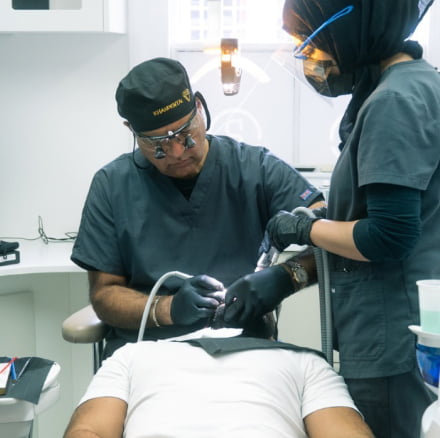
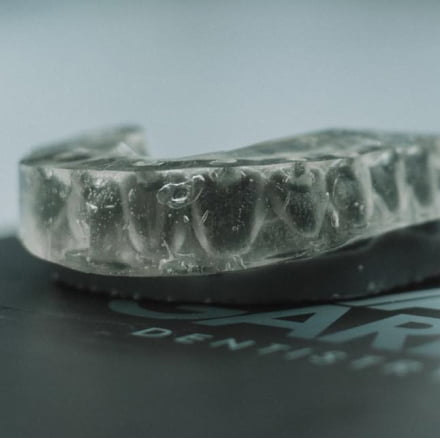
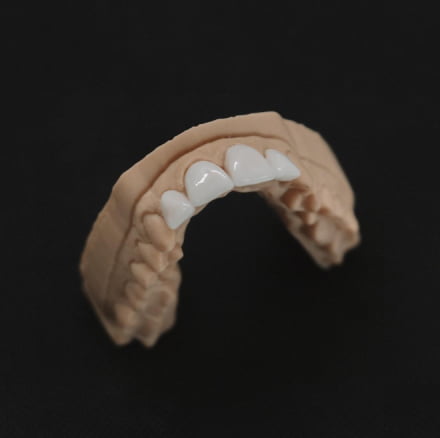
A brighter, more balanced smile isn’t reserved for younger adults. Cosmetic dentistry for over 50s can include whitening, veneers, bonding, crowns and orthodontic treatment, chosen to address concerns such as discolouration, worn edges or uneven teeth. Porcelain veneers can last 10-15 years or longer with good care, while professional whitening can lighten teeth by several shades in one session.
It’s natural to want to understand what a treatment involves before deciding whether it feels right for you. This guide explains the main cosmetic options, how veneers and whitening work, and what can affect the time needed for treatment. You’ll also learn how the right approach can be shaped around your teeth, your oral health and the kind of change you hope to see, so you can consider your next step with greater confidence and peace of mind.
Porcelain veneers are thin coverings fitted to the visible front of teeth, helping refine their colour, shape or size. For adults over 50 with gum recession or worn teeth, suitable options depend on gum health and how much tooth structure remains.
A veneer can disguise a chipped edge, persistent staining or changes in tooth shape. Over time, darker dentin beneath translucent enamel can make teeth look dull, even with careful brushing. Veneers can also change the apparent size and shape of teeth for a more even look. The key question is whether the concern is mainly cosmetic or involves deeper damage.
Porcelain veneers can last 10-15 years or longer with good care. Their lifespan depends on the condition of the supporting teeth and how they’re looked after. A veneer may need attention if it chips, loosens or no longer fits comfortably. Ask about the care routine and what signs to watch for, then keep regular dental reviews so changes can be noticed.
Gum recession doesn’t automatically rule out veneers. An assessment should consider gum health, exposed tooth surfaces and how much sound enamel is available for bonding. Veneers may suit relatively mild wear, such as uneven lengths or worn edges. More significantly affected teeth may need another approach, such as a crown, which can improve appearance while adding strength.
Treatment typically involves two to three appointments over a few weeks. The process starts with examining the teeth and discussing the desired result. Preparation and impressions help shape veneers to the individual smile, before the finished porcelain is fitted. The dentist considers tooth colour, proportions and how the veneers meet neighbouring teeth, so the result looks balanced rather than uniform. These steps also help establish whether veneers address the main concern.
The name Lumineers refers to a type of veneer, but a product label alone won’t show whether it suits your teeth. Compare the proposed preparation, fit and appearance with your priorities. Ask how the plan accounts for existing wear or recession, and what changes to the natural tooth surface are involved. The important distinction is the treatment plan for your mouth, not simply the product name.
Before deciding, identify the change you want most, such as covering one chipped tooth or refining several uneven edges. A dental assessment can weigh that goal against gum condition and remaining tooth structure. This helps clarify whether Porcelain Veneers are suitable or whether another treatment would better address the underlying concern.
Professional teeth whitening can be a considered option for adults over 50, with temporary sensitivity the main effect described. This usually settles within a few days. Whitening is most effective for mild to medium discolouration, whilst badly discoloured teeth may respond less well. A dental assessment helps distinguish surface staining from deeper colour changes before treatment begins.
Professional bleaching is the most common whitening method, and hydrogen peroxide is its active ingredient. Treatment can lighten teeth by several shades in one session, although professional whitening is usually continued at home over 3 or 4 weeks for best results. Some treatments can take as little as one appointment. The process and schedule depend on the whitening approach and the colour change being sought.
Whitening results may last for a while, depending on care. Daily hygiene matters: follow the instructions for brushing and cleaning, and keep dental check-ups part of your routine. If sensitivity appears, note when it starts and whether it settles over the following few days. That detail can help guide discussions about the treatment and any further whitening.
Whitening changes colour, not tooth position. If crowded or uneven teeth are the concern, orthodontic treatment can move teeth into a different alignment. Adult teeth can still be straightened, although it’s best to straighten teeth when younger. In the UK, according to the NHS, orthodontic treatment is available on the NHS for patients under 18 when there is a clinical need. Adults considering treatment should understand how alignment relates to their bite, appearance and everyday function.
Invisalign® aligners are one option for adult teeth straightening. They guide teeth towards a planned position, rather than changing their colour like whitening. Suitability depends on the tooth movement needed and the starting alignment. First identify whether your priority is a brighter shade, straighter teeth or both, since these concerns call for different treatment plans.
Gum contouring and teeth reshaping address different details of a smile. Contouring changes the visible gum outline, while reshaping adjusts a tooth’s form, such as an uneven edge. These procedures don’t replace whitening or orthodontics: they focus on proportions and outlines, not colour or alignment. Discuss the feature you’d like to change and how it relates to tooth function.
For a tailored view of colour, alignment and shape, explore professional teeth whitening alongside the other options that may suit your smile.
Cosmetic dentistry focuses on improving the appearance of teeth, including their shape, colour and visible wear. Composite Veneers are one option: tooth-coloured material can fill worn areas or refine a chipped edge.
To assess a UK dentist’s credentials, ask about their professional registration, relevant training and experience with the procedure you’re considering. Compare their answers with information published by their professional regulator, and look for examples of similar treatment outcomes.
At a consultation, ask what Composite Veneers would change, how much tooth preparation is involved and what upkeep they need. For example, discuss how the material may respond to stains and when repairs or replacement might be needed.
Composite Veneers use tooth-coloured material to alter a tooth’s visible surface. A dentist can apply the material to fill a worn area, improve an uneven edge or refine the appearance of a small chip. It can also address some stains, but it won’t whiten the surrounding natural teeth.
The procedure is usually completed in a single visit. The dentist selects a shade, applies and shapes the material, then finishes the surface to blend with nearby teeth. For example, bonding one chipped front tooth calls for attention to its outline, shade and relationship to the neighbouring tooth.
Bonding may suit a focused change, such as smoothing one worn edge, rather than a broader smile makeover. Its porous material can discolour fairly quickly, so consider how visible the treated tooth is and how its shade will sit beside natural teeth. It typically lasts 5-7 years before minor repairs or replacement may be needed.
Before treatment, ask your dentist to explain the proposed shape and shade, and how bonding may affect your bite. A clear plan should identify which teeth are being treated and why. If you have several concerns, such as worn edges and stains, discuss whether bonding alone addresses them or forms part of a wider smile makeover.
For adults considering cosmetic dentistry for over 50s, the useful comparison is between the change sought and the upkeep involved. Bonding can be a more temporary choice than other options, while its single-visit procedure may appeal when a small adjustment is the priority. Agree the intended result and care plan before treatment starts.

Timing depends on the treatment and the number of teeth involved. A focused change may take one visit, while a full smile makeover may involve several stages. For example, a plan combining whitening with changes to tooth shape differs from a single cosmetic adjustment.
Patient testimonials can show how people describe their experience, but one person’s result doesn’t predict another’s. Look for examples involving a similar concern, such as worn edges or discoloured teeth. Compare the starting appearance, treatments used and final outcome, rather than relying on a smile photograph alone.
Gum health matters before cosmetic treatment because the gums support the teeth being treated. A dental examination should identify recession, inflammation or other concerns before finalising a cosmetic plan. This helps the clinician decide whether to address gum health first or proceed with treatment focused on appearance.
For adults over 50, the NHS question depends on the purpose of treatment. Cosmetic work sought solely to change appearance is generally arranged privately; NHS dental treatment is based on clinical need, not age alone. According to the NHS, orthodontic treatment is available on the NHS for patients under 18 when there is a clinical need.
Prices for private cosmetic treatments depend on the case and are given after a quote request; factors include the number of teeth treated, the procedure and the materials involved. A single tooth treatment and a wider smile plan require different work. Ask for an itemised outline so you can understand what each stage covers and how any proposed alternatives affect the plan.
Risks and recovery vary by procedure and the condition of your teeth and gums. A small cosmetic change differs from a reconstruction using crowns or implants, so ask what aftercare and recovery to expect for each stage. Practical details include eating, cleaning and when you can resume your usual routine.
Dental implants can be considered over age 50; age alone doesn’t determine suitability. Assessment focuses on factors such as oral health, gum condition and the bone available to support an implant. Implants are generally made from titanium, can last a lifetime with good maintenance, and are cleaned in the same way as natural teeth.
Long-term outcomes also depend on maintenance. A crown, for example, may improve the appearance of a significantly affected tooth while providing extra strength. Discuss how to care for the proposed treatment, what signs need attention and how reviews fit into your ongoing dental hygiene routine.
Popular options for people over 50 in the UK include teeth whitening, veneers, composite bonding, crowns and adult orthodontics. Each addresses a different concern, so a useful starting point is deciding whether you want to change colour, shape, alignment or strength.
For colour concerns, professional teeth whitening lightens natural teeth, while veneers can change the visible shape and shade of selected teeth. Composite veneers add tooth-coloured material to areas such as a chipped edge. These options focus on appearance, but they don’t serve the same purpose. A dentist can help match the treatment to the feature you want to change.
When a tooth is significantly affected, a dental crown may improve its appearance and provide extra strength. Crowns and bridges typically last between 10 and 15 years with proper care. That lifespan is a useful point of comparison, not a reason to choose a crown for a purely aesthetic concern. The amount of damage and the tooth’s function matter to the treatment plan.
Adult orthodontic treatment addresses tooth position rather than colour or surface shape. Invisalign® aligners can move teeth, while whitening or composite veneers may address shade or small visible changes. Crowded teeth and discolouration are separate concerns, even if both affect your smile. A treatment sequence can be planned around your desired appearance and oral health.
Most adults in good general and oral health are suitable for cosmetic treatment, regardless of being over 50. The first step is an assessment of the teeth and gums, followed by a discussion of priorities. If gum health needs attention, that should be considered before a cosmetic plan progresses. This keeps the aesthetic goal connected to the condition of the mouth.
To compare options, describe the change you want in concrete terms: a brighter colour, a more even edge, straighter teeth or added support for a weakened tooth. Then ask how each proposed procedure affects tooth structure, function and future care. This helps distinguish a focused cosmetic adjustment from a wider smile makeover, where several treatments may be combined.
There is no single treatment that suits every smile. A person concerned about stains may prioritise whitening, while someone with worn or weakened teeth may need a different approach. The clearest takeaway is to choose by concern and oral health, not by age alone. A tailored plan should explain the purpose of each step and how the treatments work together.
For a considered discussion of options such as crowns and other cosmetic treatments, explore your cosmetic dentistry options at Khan Dental.
Khan Dental offers Invisalign® aligners for adults considering a change to their tooth alignment. If your main concern is colour, shape or weakened teeth, the clinic also offers Porcelain Veneers, professional teeth whitening and dental crowns. Identifying the feature that matters most can help you discuss a considered, personal approach.
Invisalign® aligners may suit you if alignment is the priority, while whitening focuses on tooth colour and veneers can refine visible shape. Crowns can improve the appearance of significantly affected teeth while adding strength. The conversation should start with your goals, oral health and the changes you hope to see, rather than assuming one treatment suits every smile.
If you’re ready to explore your options, contact Khan Dental for a conversation about your smile.
Your next step doesn’t have to be a commitment to treatment. Start by deciding what you’d most like to change, then consider how it fits with your priorities for comfort, appearance and ongoing care. A thoughtful consultation can turn a broad idea into a clear direction without rushing your decision.
For cosmetic dentistry for over 50s, the most useful plan is one shaped around your smile and the outcome you hope to achieve. Khan Dental offers Invisalign, Porcelain Veneers and Teeth Whitening, giving you options to discuss for alignment, shape and colour. The focus is on understanding what matters to you and exploring a suitable way forward.
When you feel ready to talk through your goals, contact Khan Dental to discuss your options. A considered first conversation can be the beginning of a change that feels distinctly your own.
Porcelain veneers can last 10-15 years or longer with good care. Their lifespan also depends on the teeth supporting them and whether the veneers remain secure and intact. For example, a chip or change in fit may mean a veneer needs attention earlier. Keep your usual dental reviews and follow the care advice given for your teeth to help maintain the result.
Neither option is universally better: veneers change a tooth’s visible surface, while crowns can cover significantly affected teeth and add strength. A veneer may suit a cosmetic change to the front of a tooth; a crown may be considered when damage affects more of it. The deciding factors include remaining tooth structure, the location of the concern and whether appearance or added support is the priority.
Professional teeth whitening can lighten natural teeth, particularly when discolouration is mild to moderate. It won’t change the colour of existing veneers, crowns or fillings, so visible restorations may still look different. A dental assessment can identify whether marks are on natural enamel or part of a restoration. That distinction helps shape a plan for a more even-looking smile.
Yes. Adults can have their teeth straightened with Invisalign® aligners. The plan depends on the teeth’s position and the movement needed to improve alignment. A slight gap and more complex crowding, for example, call for different planning. Discuss your bite and the changes you’d like so the proposed approach considers function as well as appearance.
Yes. Porcelain veneers can alter the visible shape and size of teeth, while composite bonding can refine details such as a chipped or uneven edge. The choice depends on the area being changed and the extent of the adjustment. For example, bonding may address a small edge concern, while veneers can reshape the appearance of selected teeth as part of a broader smile design.
Veneers and bonding change the appearance of existing teeth; crowns can cover significantly affected teeth and provide extra strength. Dentures replace missing teeth rather than reshape natural ones, and may move during eating. The useful comparison is the concern each option addresses: a chipped edge, a weakened tooth or missing teeth calls for a different kind of treatment and care.
Finance options are available for some private cosmetic dental treatment. Khan Dental states that finance is available at 0% interest. Before committing, consider the full repayment schedule and how it fits your budget, as well as which treatment the plan covers. Don’t assume that the same terms apply to every treatment or patient; the finance agreement sets the relevant terms.
Most cosmetic dental procedures are minimally invasive and pain-free. Whitening may cause temporary sensitivity that usually settles within a few days; veneers can chip or loosen, and bonding may discolour fairly quickly.
Back to Blogs

Schedule a consultation to begin your smile transformation. Our team will assess your needs and create a personalised plan just for you.
Call Us 0151 724 1888
Book a Consultation