Could a small chip mean your veneer needs replacing? Not necessarily. The right option depends on more than the size of the chip: a dentist will also consider how the veneer fits and whether the natural tooth beneath it has been affected. If you’re searching for “fixing a chipped veneer Liverpool”, a careful assessment is the best first step.
This guide explains what to do straight away, what to avoid and how a dentist assesses damage before recommending a way forward. Some veneers may be suitable for repair, while others may need replacement or a different restoration, such as composite bonding or a dental crown. The choice depends on the veneer’s material and condition, the tooth underneath and the result you want to achieve.
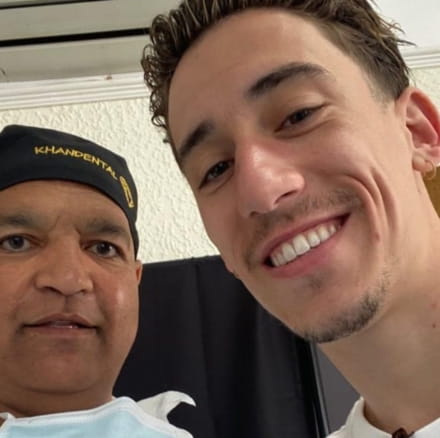
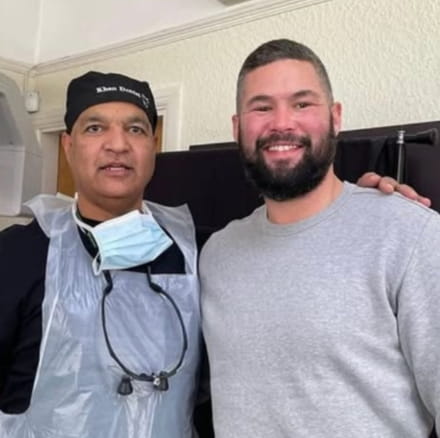
At Khan Dental, Dr Khan brings cosmetic and restorative experience to an individual discussion about your smile. Read on to understand the options and the considerations behind them, and how an assessment in Liverpool can help you move towards a comfortable, natural-looking result.
A chip doesn’t automatically mean your veneer needs replacing. The next step depends on what has chipped, how the veneer fits and whether the natural tooth underneath is affected. Even if the damage looks small, a dentist can assess the area and explain which options may be suitable. If you’re searching for “fixing a chipped veneer Liverpool”, focus first on protecting the tooth and arranging dental advice, rather than trying to judge the damage yourself.
For now, avoid chewing on the affected side, keep the area clean and arrange an assessment. A dental veneer may be made from materials such as porcelain or composite, and the material can influence how damage is approached. Until the veneer has been assessed, avoid hard or sticky foods near the tooth.
If a piece has come away, keep it safe and bring it to your appointment. Don’t try to reattach it with household glue or another adhesive, and don’t file or reshape the veneer yourself. These attempts could cause further damage or make the area harder to assess. If food or debris collects nearby, clean gently as part of your usual oral hygiene routine, taking care not to disturb the chipped edge.
Arrange dental advice for a new chip, even if it doesn’t hurt. The change may be mainly cosmetic, but an examination can establish whether the veneer is still secure and whether the tooth beneath it needs attention. You can’t reliably judge this from the chip’s appearance alone.
Pain, sensitivity, a sharp edge catching your tongue or cheek, or irritation of the surrounding soft tissue are reasons to seek prompt advice. If symptoms worsen, contact a dental practice promptly for guidance. Don’t try to smooth a sharp edge at home; a clinician can assess it and discuss what to do next.
Not every chip needs the same response. An assessment helps clarify what has happened and guides a considered decision about restoring the tooth and its appearance.
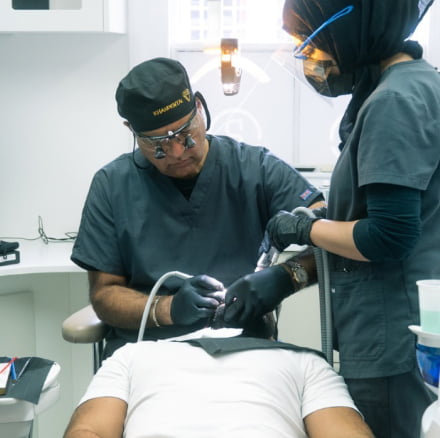
An assessment looks beyond the visible chip. The dentist examines the veneer, its edges and how it sits, then considers the natural tooth beneath it before discussing treatment. A small chip isn’t automatically a simple repair, just as a more noticeable chip doesn’t, by itself, mean replacement is necessary.
A veneer repair decision depends on the veneer and the tooth beneath it. The chip’s position, the veneer’s fit and the condition of the underlying tooth all help shape the discussion. Your priorities matter too: you may be focused on appearance, comfort, preserving as much natural tooth structure as possible, or a combination of these.
The dentist considers the chip’s size and position, including whether it reaches an edge or affects how the veneer meets neighbouring teeth. They’ll also look at the tooth, your bite and the surrounding gum tissue. Any further checks depend on what they find. The aim is to understand the situation before discussing realistic options.
For anyone researching fixing a chipped veneer in Liverpool, this individual assessment helps distinguish a cosmetic concern from damage that may also affect comfort or the tooth underneath.
A photograph can show the visible shape and position of a chip, but it can’t fully reveal how securely the veneer fits or the condition of the tooth beneath it. An in-person examination gives the dentist a fuller picture and an opportunity to discuss options in light of your priorities. For general background, the veneers information from the ADA outlines veneer considerations and care.
If you’d like broader context before your assessment, Khan Dental’s guide to porcelain veneers in Liverpool explains more about this treatment. At Khan Dental, Dr Khan can discuss the veneer, the underlying tooth and what matters most to you. You can explore Khan Dental as you consider your next step.
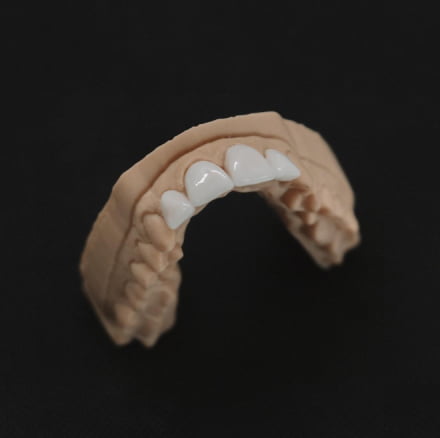
A chipped veneer doesn’t point to one automatic solution. The dentist considers the veneer’s material and condition, the position of the damage, how well it fits and whether the natural tooth has been affected. A small, accessible chip may prompt a discussion about a conservative repair, but suitability depends on the assessment.
When considering fixing a chipped veneer in Liverpool, you may hear several options discussed. The table below is a guide, not a diagnosis. The right approach depends on the veneer, the tooth and the result you want.
| Possible option | When it may be discussed | What the dentist considers |
|---|---|---|
| Repair | A limited, accessible chip may be considered for a conservative repair. | Its size, position, stability and visibility, and whether the result is likely to suit the veneer. |
| Veneer replacement | If the existing veneer cannot be restored predictably, or its fit or appearance remains a concern. | The veneer’s overall condition, the tooth beneath it and the appearance you want to achieve. |
| Another restoration | A different restoration may be discussed if the tooth itself needs attention beyond the veneer. | The tooth’s condition and which approach is appropriate to restore it. |
The dentist looks at the chip’s size and position, how stable the remaining veneer is and whether the damaged area is visible when you smile. If appropriate, composite bonding may be discussed to rebuild a small area. It isn’t suitable for every chip, and the material and finish need to work with the existing veneer. Read more about composite bonding in Liverpool.
Replacement may be discussed if the veneer is too damaged, no longer fits well or can’t be restored to an appearance you’re comfortable with. A crown isn’t an automatic response to a chipped veneer. It may be considered if the underlying tooth’s condition calls for a different kind of restoration. Harvard School of Dental Medicine outlines a range of prosthodontic care options, including veneers and crowns. For more context on their differences, see Khan Dental’s dental crown versus veneer comparison.
At Khan Dental, Dr Khan can guide an individual discussion about appearance, comfort and tooth condition, helping you understand the options before agreeing a restorative plan.

A little preparation can make it easier to explain what has changed and get clear answers about your options. You don’t need to work out what caused the chip or decide on treatment beforehand. A useful appointment starts with what you’ve noticed, followed by an assessment of the veneer and tooth.
Note when you first noticed the damage and what you were doing at the time, without feeling you need to identify the cause. Mention any sensitivity, discomfort, irritation or change in how your teeth meet when you bite. If a fragment has come away and you’ve kept it safe, bring it along. Details of previous veneer treatment or repairs can also help, if you have them.
It’s reasonable to ask the dentist to explain their findings in everyday language. If you’re researching fixing a chipped veneer in Liverpool, these questions can help make the next steps clearer:
You can also share what matters most to you, whether that’s restoring the appearance, improving comfort or understanding how much natural tooth structure may be preserved. This helps shape a discussion around your circumstances, rather than a one-size-fits-all answer.
Preparing these notes can be simple. They give Dr Khan a helpful picture of what you’ve experienced and help tailor the assessment and discussion of restorative options. To discuss your concerns in person, arrange a consultation with Khan Dental.
A chipped veneer can leave you wondering whether repair, replacement or another restoration is the right path. At Khan Dental, the process begins with an assessment, followed by a clear discussion of options and an agreed restorative plan. Dr Khan’s cosmetic and restorative experience supports a considered conversation about your smile and the health of the tooth beneath the veneer.
A search for “fixing a chipped veneer Liverpool” may bring up several possible treatments, but there’s no standard repair formula. A recommendation depends on the findings, including the condition of the veneer and underlying tooth, as well as what matters to you. You’ll have the opportunity to understand the reasoning behind the options before deciding how to proceed.
The dentist relates the proposed approach to the tooth’s condition, the veneer’s appearance and fit, and your priorities for comfort and your smile. Depending on the findings, the discussion might include porcelain veneers, composite bonding or a dental crown. These treatments aren’t interchangeable, and mentioning one doesn’t mean it will be suitable for your tooth.
The aim is to explain the options so you can weigh up their likely benefits and practical considerations. Ask what each proposed treatment involves, how it relates to your concerns and what the next steps would be. Treatment is planned around your assessment, rather than promising a particular repair or result in advance.
Once you’ve discussed the findings and chosen a way forward, the dentist will outline the agreed next steps and relevant aftercare. Follow the personalised guidance you’re given, and let the dental team know if you experience unexpected discomfort or notice a change in how your teeth meet after treatment. Keeping communication open helps address concerns and supports a considered approach to your care.
It’s understandable to feel unsettled when a veneer changes the look or feel of your smile. An early assessment is an opportunity to understand what has happened and which options may be appropriate, without assuming replacement is inevitable. Khan Dental welcomes patients seeking cosmetic and restorative care in Liverpool and from nearby areas including the Wirral, Manchester, Altrincham, Wilmslow, Knutsford, Hale, Southport, Ormskirk and Formby. Book a consultation with Khan Dental to discuss your chipped veneer and the next steps.
A chipped veneer doesn’t automatically mean replacement is needed. First, the dentist needs to understand the condition of both the veneer and the natural tooth, then consider repair, replacement or another restoration. They can also take into account how the change affects your comfort and the appearance you’d like to restore.
If you’re looking into fixing a chipped veneer in Liverpool, an individual assessment can replace guesswork with a clearer view of your options. At Khan Dental, Dr Khan leads the practice as a cosmetic and restorative dentist. Depending on the findings, a discussion may include porcelain veneers, composite bonding or dental crowns, with recommendations shaped around your needs rather than a standard formula.
You don’t have to decide on treatment before you attend. Bring any questions or details about the chip, and take time to understand the proposed next steps and aftercare. Arrange a consultation with Khan Dental to discuss your veneer and explore a considered way forward.
Yes, some chipped veneers may be repaired without replacement, but suitability depends on an examination. The dentist considers the chip’s size and position, how securely the veneer fits, its material and the condition of the natural tooth beneath it. A small, accessible area might prompt a discussion about composite bonding, for example, but a repair can’t be recommended based on appearance alone.
Stop chewing on that side, keep the area clean and arrange dental advice. Avoid hard or sticky foods near the affected tooth, and don’t file the veneer or use household glue to reattach a fragment. If a piece has come away, keep it safe and bring it to your appointment. Mention any pain, sensitivity, sharp edges or changes to your bite.
A chip isn’t automatically an emergency, but it should be assessed even if it doesn’t hurt. Seek prompt dental advice if you have pain, sensitivity, a sharp edge irritating your tongue or cheek, or concern that the natural tooth may be damaged. If symptoms worsen, contact a dental practice for guidance. An assessment can help establish what needs attention and how soon.
Composite bonding may be discussed for some chips, but it isn’t suitable in every case. The dentist needs to assess the porcelain veneer’s damage, position and fit, as well as the tooth underneath, before recommending an approach. A repair may not be appropriate if the veneer is significantly damaged or can’t be restored predictably. The assessment helps clarify whether bonding, replacement or another restoration is more suitable.
Not necessarily. A chip alone doesn’t determine whether replacement is needed. Depending on the veneer’s condition and the tooth beneath it, a dentist may discuss repair, replacement or another restoration. Replacement could be considered if the veneer can’t be restored predictably or its fit and appearance remain a concern. The recommendation follows the findings and your priorities, rather than a standard formula.
It’s best to avoid chewing directly on the affected tooth until a dentist has assessed it. Choose softer foods in the meantime and keep hard or sticky foods away from that side, as biting on them may put pressure on the damaged area. If the veneer has a sharp edge or eating causes discomfort or sensitivity, arrange dental advice promptly and describe what you’re experiencing.
To discuss fixing a chipped veneer in Liverpool, arrange a consultation with Khan Dental. You can book a consultation with Khan Dental and explain that your veneer has chipped. Dr Khan, a cosmetic and restorative dentist, can assess the veneer and underlying tooth, then discuss appropriate next steps. If you have symptoms, changes in your bite or a detached fragment, mention these when arranging your appointment.
Back to Blogs

Schedule a consultation to begin your smile transformation. Our team will assess your needs and create a personalised plan just for you.
Call Us 0151 724 1888
Book a Consultation