A smile can look straighter without moving every tooth. For some people, fixing a crooked smile without braces means using composite bonding to reshape minor overlaps or small gaps, or gently contouring uneven edges. These cosmetic treatments change appearance, but they don’t reposition teeth or correct a misaligned bite.
If you’re hoping for a more balanced smile without orthodontic treatment, it’s natural to wonder whether a subtle change could be enough. This guide explains what bonding and tooth contouring can achieve, where their limits lie, and why a professional dental assessment matters before choosing a treatment. You’ll also learn when the concern is about tooth shape and appearance, and when alignment issues may call for a different approach.
Bonding can suit small cosmetic changes, while veneers can conceal minor crookedness or gaps. In the UK, NHS dental treatment depends on clinical need, so treatment sought purely to improve appearance may not qualify.
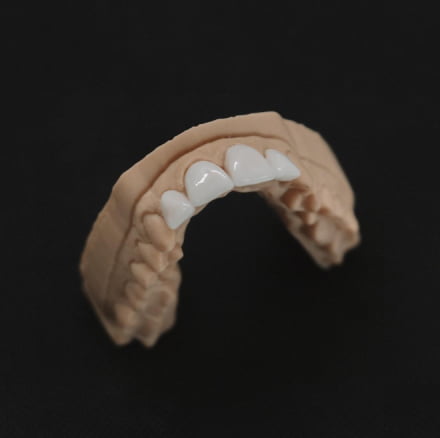
Veneers are thin coverings placed over visible tooth surfaces to change their shape, size or appearance. They can disguise a slightly uneven front tooth or a small gap, creating a more symmetrical smile without moving the teeth. Porcelain Veneers usually involve removing a thin layer of enamel, often less than a millimetre. They may be considered when the concern is cosmetic rather than a misaligned bite.
Bonding, braces and veneers address different concerns, so the right comparison starts with the result you need. Cosmetic bonding is generally less costly than braces or veneers, and can refine small gaps or uneven edges. Braces may be a more suitable long-term option for complex needs, such as multiple gaps or a misaligned bite. Treatment prices depend on the case and are given after a quote request; factors include the number of teeth treated and the type of correction.
Cosmetic tooth sculpting gently reshapes an edge, while veneers change the visible surface and crowns cover a tooth more fully. For example, sculpting may smooth one uneven edge, whereas a veneer can alter the shape or symmetry of a front tooth. Crowns can restore a tooth that needs broader coverage. Porcelain veneers and crowns can last 10-15 years or longer with the right care, so the amount of change should be weighed against the tooth’s condition.
Bonding uses tooth-coloured resin shaped directly onto the tooth, making it an alternative for a small chip, slight overlap or narrow gap. A dentist can build up one edge to make it appear more even beside its neighbour. Bonding changes appearance, not tooth position, and may need a touch-up after 5-7 years. Its adjustability can be useful when the change needed is modest.
Porcelain veneers can create a broader cosmetic change, with treatment commonly listed as taking 2 visits. They can enhance symmetry, shape and overall appearance, but require careful planning because enamel removal is irreversible. Veneers may suit someone whose front teeth look uneven yet function comfortably. Clear aligners are different: they gradually move teeth, rather than concealing their position with a new surface.
Before choosing a treatment, consider whether the concern is one tooth’s outline or the position of several teeth. A dentist assesses the bite, tooth surfaces, gaps and existing restorations, then matches the approach to those findings. For example, a chipped edge may be suitable for bonding, while multiple gaps or a misaligned bite may call for orthodontic treatment. This distinction helps avoid using cosmetic coverage to address a problem it cannot correct.
Yes. Dental bonding and veneers can disguise minor crookedness by changing visible tooth shapes, but neither moves teeth into a new position. They may suit cosmetic concerns, such as a small overlap, when the bite itself doesn’t need correction.
Composite bonding uses tooth-coloured resin to mask small surface flaws and refine a tooth’s outline. A dentist applies and shapes the material, then hardens it to blend with the surrounding teeth. For example, resin can cover a localised discoloured patch, smooth a chipped edge or soften the look of a slightly overlapping tooth. It can also address small gaps and irregular shapes, bringing minor details into closer visual balance.
Bonding can often be completed in one visit, with treatment typically taking under an hour. The dentist works directly on the tooth, shaping the resin to suit its neighbouring teeth and the smile’s overall line. Cosmetic bonding is generally described as non-invasive, with no enamel removal or discomfort. It typically needs no anaesthesia, which can make the appointment feel more straightforward than treatments involving preparation of the tooth.
Bonding and veneers change the visible surface or contour of teeth; they don’t correct their underlying position. A small overlap may look less prominent after resin reshapes an edge, while a veneer can alter a tooth’s apparent width or symmetry. This distinction matters: cosmetic treatments can change how teeth look without correcting their underlying alignment.
The best cosmetic approach depends on the scale and pattern of the concern. Bonding can be suited to a localised imperfection, such as one chipped corner beside an otherwise even front tooth. Veneers can create a broader change to shape or symmetry, but porcelain veneers require removal of a thin layer of enamel, often less than a millimetre. That makes the decision about veneers different from adding resin directly.
During assessment, the dentist considers how the teeth meet, how much of each tooth is visible, and whether the proposed shape will sit naturally beside its neighbours. A noticeable overlap or uneven bite may be more than a surface concern. Invisalign® aligners move teeth gradually; bonding and veneers instead create a cosmetic change without that movement. Understanding this difference helps match the treatment to the result you want.
For a minor imperfection, composite bonding treatment may be a conservative cosmetic option. Where alignment is more complex, the assessment can clarify whether changing appearance alone addresses your concern or whether tooth movement deserves consideration.
Tooth contouring gently reshapes small areas of enamel to refine uneven edges and improve visible symmetry. It can make a tooth look straighter when the concern is its outline rather than its position in the jaw.
For example, a dentist may smooth a pointed corner or shorten an edge that looks uneven beside its neighbour. These subtle adjustments can enhance the balance of a smile and help patients feel more confident about its appearance. Contouring changes tooth shape only; it doesn’t move teeth or correct misalignment.
Enamel is the tooth’s hard outer layer, and reshaping is limited to that layer. Before enamel shaping, a dentist takes digital X-rays to identify where the enamel ends and the dentin begins. This helps show how much of the tooth can be safely adjusted, especially when one edge appears longer or more prominent.
Because enamel shaping affects only enamel, it is described as painless. The dentist assesses each tooth before smoothing an area, since removing too much enamel would go beyond a minor cosmetic refinement. A small adjustment to one front tooth may improve symmetry; a change involving several uneven teeth requires a broader assessment of their shape and position.
Contouring is most relevant when the teeth are already positioned well, but a minor edge irregularity creates the impression of a crooked smile. It cannot close a significant gap, rotate a tooth or correct a bite. If several teeth overlap, the concern is likely to involve tooth position rather than enamel shape alone.
Retainers have a different role. They are designed to hold teeth after orthodontic movement, not to achieve significant realignment. A retainer therefore won’t substitute for treatment that needs to move a rotated or crowded tooth. The key distinction is whether the desired change concerns the enamel outline or the position of the tooth itself.
During assessment, the dentist considers the visible edges, how the teeth meet and the enamel available for shaping. A slightly uneven pair of front teeth may need only a modest contour adjustment, while a clear misalignment calls for a different discussion. This helps ensure the treatment addresses the feature you want to enhance, rather than changing healthy enamel without a clear cosmetic purpose.

A dental assessment helps distinguish a cosmetic concern from tooth movement or a bite issue. Before choosing a procedure, a dentist examines the visible teeth, how they meet and whether changes have occurred. That distinction matters because bonding or contouring alters appearance, while Invisalign® aligners move teeth.
Arrange an assessment if crooked teeth have newly become noticeable, several teeth overlap, or your bite feels different. For example, one uneven front edge is a different concern from multiple teeth crowding together. An examination can identify whether the issue involves tooth shape, spacing or alignment, rather than treating every concern as a surface flaw.
Adults who want cosmetic treatments can also benefit from an assessment before enamel is reshaped or a veneer is fitted. These procedures affect the tooth itself: contouring removes a small amount of enamel, while porcelain veneers require removal of a thin layer, often less than a millimetre. The dentist considers tooth condition and the desired change before recommending either approach.
When considering treatment in the UK, look for a dentist with appropriate registration and experience in the procedure being discussed. Ask for a clear explanation of the assessment findings, how the proposed treatment addresses them, and whether it changes tooth position or appearance. For example, an orthodontic assessment focuses on alignment and bite, while cosmetic planning considers shape, colour and symmetry.
A useful assessment includes more than a photograph of your smile. The dentist examines how your upper and lower teeth meet, checks the visible surfaces, and considers whether several teeth need treatment. A dentist can assess whether reshaping is appropriate before proceeding. These steps clarify whether a cosmetic adjustment fits the concern or whether tooth movement is the more relevant route.
Bring a specific example of what you would like to change, such as a small gap, a rotated tooth or an uneven edge. Describe whether the appearance has changed and which teeth concern you. The clinician can then explain the difference between reshaping, bonding, veneers and aligners, including what each procedure changes. A clear treatment plan links the proposed work to the assessment, rather than assuming one cosmetic option suits every crooked smile.
Yes, depending on what makes the smile look crooked. Bonding, veneers and tooth contouring can disguise small visual irregularities, while Invisalign® aligners gradually move teeth. The right option depends on whether the concern is tooth shape, mild alignment or a more complex bite issue.
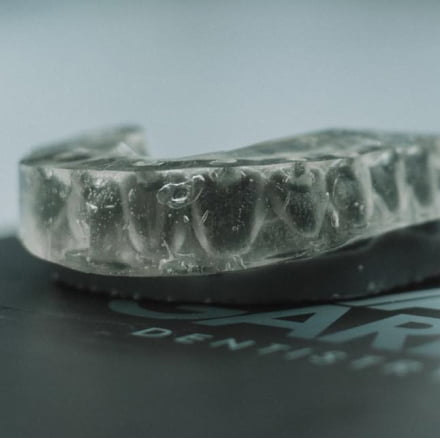
For mild to moderate crowding, spacing or teeth that have shifted over time, clear aligners can be an alternative to fixed braces. A customised series of trays guides teeth gradually into improved alignment, rather than covering their existing positions. For these alignment and spacing concerns, clear aligners can work as effectively as traditional metal braces.
Unlike bonding or contouring, aligners create actual tooth movement. Treatment for misalignment typically takes 6 to 18 months, depending on the complexity of the case. Patients wear the trays for 20-22 hours per day for effective results, removing them to eat and care for their teeth. New aligners are changed approximately every one to two weeks, as each tray guides the next stage of movement.
This approach requires consistency in wearing the aligners as directed. Someone with mild crowding may need a different treatment plan from someone with a more complex bite. Invisalign® aligners can show visible progress along the way, but cosmetic coverage cannot correct the underlying position. Bonding may make an overlapping edge look less prominent; it won’t rotate the tooth.
Braces or other orthodontic treatment may be more suitable for complex needs, including multiple gaps or a misaligned bite. In some cases, orthodontic treatment can involve jaw surgery to address the underlying position of the jaws, according to the National Center for Biotechnology Information (NCBI). Furthermore, where jaw mechanics connect with head and neck posture, specialised practices such as Healthy Living Hickory highlight how upper cervical care can support broader structural balance. This illustrates why a cosmetic change alone may not address every cause of a crooked smile.
A useful way to frame the decision is to identify the change you want. If one tooth looks uneven because of its shape, a cosmetic option may address its appearance. If several teeth sit out of line, or your bite feels misaligned, treatment that moves teeth may be more relevant. A dental assessment can consider tooth position, spacing and bite together before you choose.
Fixing a crooked smile without braces may therefore mean changing tooth shape, moving teeth with clear aligners, or combining approaches. The treatment depends on the source of the uneven appearance and how much correction is needed. Explore smile correction options to consider the next step towards a more balanced smile.
Khan Dental offers Invisalign for people considering tooth movement rather than a cosmetic change to tooth shape. Custom-made clear aligners can address mild to moderate alignment concerns, while bonding and veneers alter the visible appearance without moving teeth.
An assessment at Khan Dental can help clarify which approach fits your concern, whether that’s spacing, crowding or the shape of a tooth. If you’re considering Invisalign® aligners, the discussion can focus on how alignment treatment relates to your smile goals and whether cosmetic options may also be relevant.
For a considered conversation about smile correction, contact Khan Dental in Liverpool.
Choosing how to change your smile is personal. Start by deciding what you would most like to feel different when you see it: the alignment, the shape or the overall brightness. That reflection can make a conversation about fixing a crooked smile without braces more focused, helping you explore an approach that suits your priorities rather than chasing an idea of perfection.
Khan Dental offers Invisalign for alignment, alongside Porcelain Veneers and Teeth Whitening for cosmetic changes to the smile. A discussion can help you understand which direction may fit your goals and what to consider before deciding. There’s no need to arrive with every answer; begin with the feature you’d like to change and the result you hope to see.
Contact Khan Dental to discuss your smile. A thoughtful first conversation can help you move towards a smile that feels more comfortable, natural and truly your own.
Uneven teeth can reflect differences in position, spacing, shape or tooth edges. Teeth may also shift over time, changing how they meet or appear in a smile. For example, a small gap can make otherwise aligned teeth look irregular, while one unusually shaped front tooth can draw attention. Identifying whether the difference is about tooth position or appearance helps narrow down suitable options.
No. Tooth contouring can refine small irregularities, such as an uneven edge, but it doesn’t move a noticeably crooked tooth or correct a misaligned bite. Removing enamel to disguise a larger position issue won’t resolve the underlying alignment. For example, contouring may smooth a slightly longer front tooth, whereas a rotated tooth needs assessment for an approach that addresses its position.
The timing depends on whether treatment changes appearance or moves teeth. Composite bonding can often be completed in one visit, with treatment typically taking under an hour. Clear aligners work gradually: treatment for misalignment typically takes 6 to 18 months, and visible progress usually starts a few months after treatment begins. The complexity of the alignment concern affects the treatment period.
Yes, a single tooth can sometimes be moved with Invisalign® aligners, depending on its position and how it meets neighbouring teeth. If the tooth is aligned but looks uneven because of its shape, bonding may improve its appearance without moving it. For instance, a chipped corner and a rotated front tooth are different concerns, so the treatment choice depends on what needs changing.
A smile may look uneven because teeth differ in height, shape, spacing or alignment. A single prominent edge can catch the eye even when the other teeth are well positioned. Colour differences can also affect how balanced the smile appears. Consider whether the concern is limited to one tooth’s outline or involves several teeth sitting at different angles, as those patterns call for different approaches.
A crooked appearance can come from crowding, gaps, overlapping teeth or teeth that have shifted over time. These describe different patterns, not one single cause. For example, a small gap may make the smile look uneven without creating crowding, while several overlapping teeth suggest a broader alignment concern. A dental assessment considers tooth positions and how the upper and lower teeth meet.
For mild to moderate alignment and spacing concerns, clear aligners can work as effectively as traditional metal braces. Invisalign treatment for adults averages 12 to 18 months, while traditional braces take around two years on average. Aligners are removable, but effective results require wearing them for 20-22 hours per day. The treatment choice depends on the complexity of the alignment and bite.
The price depends on the case and is given after a quote request. Factors include the treatment chosen, how many teeth are involved and the extent of the change planned. Cosmetic bonding is generally less costly than braces or veneers, but that comparison doesn’t establish an individual treatment fee. In Liverpool, a treatment discussion can clarify which option fits the concern before costs are considered.
Back to Blogs

Schedule a consultation to begin your smile transformation. Our team will assess your needs and create a personalised plan just for you.
Call Us 0151 724 1888
Book a Consultation