More whitening isn’t always the way to a brighter smile. If you’re wondering how often you should whiten your teeth, the general advice is no more than once per year. If daily applications during a whitening course cause uncomfortable sensitivity, space them to every other or every third day instead.
It’s understandable to want to keep your smile bright while avoiding the sharp twinges that can make whitening uncomfortable. Sensitivity doesn’t always mean you need to abandon your goal; adjusting the pace can help you whiten more gently.
This guide explains how whitening frequency differs between an initial course and maintenance, what to do if sensitivity arises, and how to limit everyday staining. You’ll also learn when a dentist’s guidance can help you choose an approach that feels comfortable for your teeth.
For most adults, aim for no more than one whitening course per year. An initial take-home course often involves daily applications for ten to fourteen days, following the dentist’s prescribed schedule.
UK product rules set limits on peroxide strength and who can carry out teeth whitening. This matters because product concentration affects how treatment is provided. Dentist-supplied or dentist-recommended products can contain from less than 0.1% up to 6% hydrogen or carbamide peroxide, while over-the-counter products contain less than 0.1% peroxide. In the UK, teeth whitening may only be carried out by a dentist. The NHS says whitening is not done for people aged 17 years or younger.
Leave a suitable interval between full whitening courses instead of repeating them whenever your teeth look darker. The general recommendation is no more than once per year, as frequent courses can increase sensitivity. An initial take-home course commonly involves daily applications for ten to fourteen days; noticeable colour change may appear after three to four applications. Discolouration usually reaches its maximum whitening within two weeks. Follow the treatment schedule provided, and don’t add applications to speed up the result.
In the UK, a dentist-led course can be repeated no more than once per year as a general guide. The dentist assesses your teeth and gums before treatment and selects a suitable approach, rather than treating every course as the same. Monitor progress by comparing the tooth colour at the start and during treatment, using consistent lighting. Some professional whitening can lift teeth by up to 8 shades after braces are removed. If the shade changes gradually, allow the course to finish before deciding whether more treatment is needed.
How often you need whitening depends partly on daily habits, including what you drink, whether you smoke and how consistently you clean your teeth. Limiting contact with staining substances can help reduce new discolouration between courses.
Dark-coloured foods and drinks can leave pigments on tooth surfaces, gradually making a smile look less bright. Coffee, tea, red wine, berries and richly coloured sauces are common examples. Sipping these drinks throughout the day means repeated contact, while smoking can also contribute to visible staining. The effect varies with each person’s routine, so noticing frequent habits can help you make practical changes without avoiding every favourite food.
Consider how often you have these items and whether they’re part of a repeated daily pattern. For example, someone who drinks tea several times throughout the day has more frequent exposure than someone who enjoys it occasionally. Reducing how often you have dark drinks, rather than relying on repeated whitening, can help manage surface staining. For many people, reviewing daily dietary habits forms part of a broader approach to overall wellness, where digital healthcare platforms such as Aussie Scripts demonstrate how convenient telehealth consultations can support long-term lifestyle and health management.
Oral hygiene means regularly cleaning your teeth to remove plaque and food residue. NHS advice is to brush at least twice a day with fluoride toothpaste. A consistent morning and evening routine helps keep teeth clean, while careful brushing along the gumline reaches areas where residue can collect. Cleaning between teeth also removes trapped food a toothbrush may miss.
After dark drinks, drinking water can help clear your mouth, though it doesn’t replace brushing. Avoid brushing immediately after acidic food or drinks, as this can be harsh on tooth surfaces. Instead, stick to your usual routine and use fluoride toothpaste. These habits support dental cleanliness and help you assess whether darker teeth reflect surface staining or a change that needs professional attention.
If staining persists despite changes to coffee, tea or smoking habits, personalised dental guidance can help you understand the cause and consider suitable options.

Tooth sensitivity can make whitening uncomfortable, especially during daily applications. If cold water or sweet food causes sharp discomfort, don’t continue at the same pace. Space applications to every other or every third day instead. This creates a gentler routine while keeping the course structured.
Notice what happens after each application. Sensitivity to cold or sweet food and drink, sore gums or throat, and white patches on the gums are possible side effects of professional whitening. Note when discomfort starts, what triggers it and how long it lasts, so you can describe the effect clearly. For example, record whether cold drinks feel uncomfortable immediately after treatment or later.
Spacing applications changes the treatment rhythm, not the product instructions. Stick to the prescribed amount and wear time, and use the product only as directed. If discomfort begins during daily whitening, switch to every other or every third day rather than adding gel or extending tray wear. More frequent use is not a reliable shortcut to a brighter result.
Sensitivity matters during maintenance too. If it means you need to alter the schedule, aim for three to four applications rather than continuing indefinitely. A dentist should check that your teeth and gums are healthy before whitening, as existing dental concerns can affect comfort. If you have sensitivity before treatment, a dental assessment can help distinguish it from a reaction caused by whitening.
Choose your frequency based on symptoms and the treatment plan, not on chasing a particular shade. If cold water or a sweet snack repeatedly triggers discomfort during a course, pause the daily pattern and space applications as advised. Record any changes and gum symptoms. This gives you a clearer basis for discussing comfort and progress at your next dental appointment.
Maintenance is a short refresh after your initial course, not frequent repeat whitening. The timing depends on how your teeth respond and what contributes to staining.
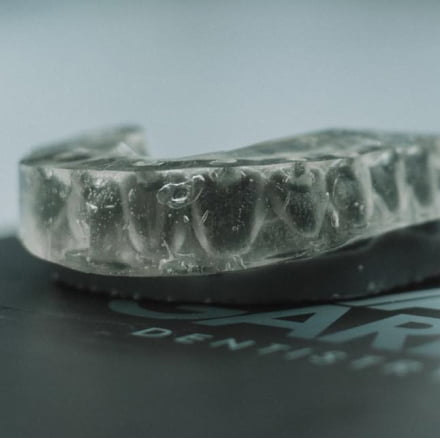
For maintenance, use whitening gel in trays for the prescribed time on at least three consecutive days. This provides a defined refresh schedule without making whitening a daily, ongoing habit. If sensitivity affects your routine, aim for three to four applications, spacing them as needed. Follow the product instructions rather than extending wear time to lighten your teeth faster.
Your habits also influence when a refresh might be useful. People without habits that darken their teeth may not need maintenance for several years. Track changes in tooth colour and consider whether they follow a shift in your routine, such as drinking more tea or coffee. This can help distinguish gradual surface staining from a genuine need to repeat treatment. For those who find an uptick in coffee or tea consumption is driven by persistent low energy, exploring holistic health optimisation with Summit Health offers a way to support daily vitality without relying on beverages that dull your smile.
Professional teeth whitening results can last around 3 years when you follow your dentist’s advice. After 3 years, people retain 80% of their initial whitening results on average. These figures offer a useful guide for planning, rather than a signal to schedule another course automatically at a set date.
For example, if your smile remains close to its original post-treatment shade, another course may not be needed yet. If the colour has gradually changed, review your staining habits and maintenance instructions. A top-up application may be included roughly halfway through a treatment’s lifetime, helping maintain the result without starting a full course too soon.
For a maintenance plan shaped around your whitening history and sensitivity, discuss professional teeth whitening with a dentist.
Khan Dental offers professional Teeth Whitening for those considering a brighter smile, particularly when sensitivity makes the right pace important. A dentist-led discussion can help you understand how your tooth colour, whitening history and sensitivity symptoms shape a suitable approach.
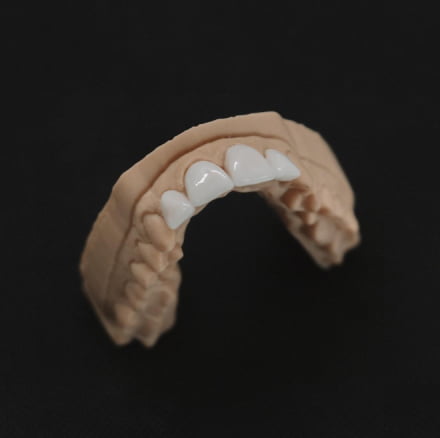
Whitening changes the shade of natural teeth, while Invisalign addresses alignment, so the right option depends on your goal. If you’re considering a change beyond colour alone, Khan Dental also offers Porcelain Veneers and Dental Crowns. Each treatment addresses a different concern, so clarify whether your priority is brightness, alignment or the appearance of a tooth.
For guidance on professional whitening and sensitivity, contact Khan Dental or visit khandental.co.uk.
Knowing how often you should whiten your teeth is only part of feeling confident about your smile. Your next step can be a conversation about what you’d like to change, what feels comfortable and which approach suits your priorities. You might focus on tooth colour, consider Invisalign for alignment or explore Porcelain Veneers as part of a broader aesthetic plan.
Khan Dental offers Teeth Whitening, Invisalign and Porcelain Veneers to discuss in relation to your individual smile goals. If sensitivity is making you hesitate, share what you’ve noticed and what you hope to achieve. A thoughtful discussion can help clarify the way forward without rushing your decision.
Contact Khan Dental to talk about your smile goals and possible next steps. A considered plan can help you move towards a smile that feels comfortably, genuinely yours.
Wear whitening trays for the time specified for your particular gel. Medium-concentration gels generally require 1 to 2 hours of tray wear daily, while some lower-concentration gels are designed for overnight use. These schedules aren’t interchangeable: using a tray longer than directed can increase discomfort without making treatment more suitable. Check the instructions supplied with your dentist-provided kit before each application.
As a general guide, leave at least a year between full whitening courses. If you’re asking, “How often should you whiten your teeth?”, think in terms of planned courses, not repeating treatment whenever the shade fades. Before arranging another course, consider whether the change is surface staining. Crowns, dentures and implants won’t lighten with whitening, so assess natural teeth separately.
Use at-home whitening products only according to their directions, and don’t add applications to chase a faster result. If you’re unsure how often you should whiten your teeth, follow the schedule for your specific product and dentist’s instructions. In the UK, teeth whitening may only be carried out by a dentist. A dentist-provided kit may be used over 2 to 6 weeks, following its prescribed schedule.
Repeated whitening can cause sensitivity, including discomfort with cold drinks or sweet foods. Other possible effects include sore gums or throat, and white patches on the gums. If symptoms occur, don’t add further applications. Note what triggered the discomfort, such as cold water after using a tray. This detail can help a dentist assess whether treatment is irritating your teeth or soft tissues.
Brush at least twice daily with fluoride toothpaste, and reduce repeated exposure to staining drinks such as tea and coffee. For example, avoid sipping a dark drink throughout the day and drink water afterwards. If your teeth remain close to your preferred shade, don’t schedule a top-up just because time has passed. Daily habits and visible colour changes can help guide maintenance.
Back to Blogs

Schedule a consultation to begin your smile transformation. Our team will assess your needs and create a personalised plan just for you.
Call Us 0151 724 1888
Book a Consultation