Whitening results typically last many months to a few years before a top-up is needed, yet teeth are especially susceptible to staining during the first 48 hours after treatment. Knowing how to prevent teeth stains after whitening starts with protecting that early window, then keeping plaque and everyday pigments under control.
It can feel frustrating to think that coffee, tea or a favourite meal might dull a smile you’ve just brightened. A few thoughtful habits can help protect your result without making daily life feel restrictive. This guide explains how brushing and flossing regularly, rinsing with water after staining foods and drinks, and allowing your enamel to settle before further whitening can all help.
You’ll also learn when to wait before brushing after acidic drinks, which gentle products can support your routine, and why the first days after treatment deserve extra care. The aim is simple: help your brighter smile feel like a natural, lasting part of you.
If you’re wondering how to prevent teeth stains after whitening, start with a steady cleaning routine. Brush twice daily and clean between your teeth once a day with floss or interdental brushes. This helps remove plaque and surface deposits before they collect around the gumline or between teeth. Plaque left in place can harden into tartar, which is porous and can pick up colour from food and drinks.
Brush gently across the front, back and chewing surfaces of each tooth. Use small, controlled movements along the gumline, where plaque can be easy to miss. A soft-bristled brush is a gentle choice after whitening, especially if your teeth feel sensitive. Don’t press harder to chase a brighter shade; forceful brushing can irritate your gums without removing deeper discolouration. Replace your brush when its bristles become worn and less effective.
Interdental cleaning reaches narrow spaces a toothbrush can’t access. Guide floss carefully around each tooth instead of snapping it against your gums. If you use interdental brushes, choose a size that fits comfortably and clean between all your teeth, including the back molars. Regular brushing and daily interdental cleaning support oral hygiene and help reduce plaque deposits that can make teeth appear yellow or brown.
Timing after eating and drinking matters. The guidance recommends waiting 40 minutes after eating or drinking before brushing to help minimise staining. After acidic drinks, wait 30 minutes before brushing, as acids can temporarily soften the tooth surface. If you’ve had coffee, tea or a dark sauce, rinse with water first, then brush at the appropriate time. This gives you a practical answer to how to prevent teeth stains after whitening without scrubbing straight away.
There isn’t a separate brushing routine for NHS or private care; aftercare depends on the whitening method and its instructions. In the UK, tooth whitening can only be provided by registered dental professionals, according to the General Dental Council. For at-home whitening, follow your dentist’s directions for the prescribed treatment rather than adding extra applications.
A straw can help dark-coloured cold drinks bypass your teeth and reduce direct contact. It doesn’t replace rinsing or daily cleaning, and it’s less practical for hot tea or coffee. Keep water nearby, rinse after a staining drink, and include flossing in your evening routine. Together, these small steps make preventing teeth stains after whitening a manageable daily habit.
A glass of water after coffee, tea or a richly coloured meal is a simple way to clear some staining residue. Swish water around your mouth, then swallow or spit it out. This won’t remove every pigment, but it can wash away some tannins before they linger on tooth surfaces. It’s especially useful during the first 48 hours after whitening, when teeth can be more susceptible to discolouration.
Common culprits include black tea, coffee, red wine and dark fizzy drinks such as cola. Foods can leave colour behind too: blackcurrants and other dark berries, beetroot, tomato-based sauces, balsamic vinegar, soy sauce and turmeric-rich curry are all examples. You don’t necessarily need to avoid every favourite indefinitely. During the first 48 hours after whitening, avoiding staining foods and drinks helps reduce the chance of stain return; afterwards, moderation and rinsing offer practical ways to manage exposure.
Make rinsing part of the moment, rather than a task to remember later. Keep water nearby when you have coffee, take a sip afterwards, and swish after a meal containing tomato sauce or berries. If water isn’t immediately available, drink some when you can. A straw may reduce contact between dark-coloured cold drinks and your teeth, though it doesn’t replace rinsing and is less practical for hot tea or coffee.
Brushing has a place, but timing matters. The guidance in this article recommends waiting about 40 minutes after eating or drinking before brushing to help minimise staining. After an acidic drink, wait 30 minutes before brushing; acids can temporarily soften the tooth surface, and immediate brushing may contribute to wear. In the meantime, rinsing with plain water helps clear the mouth without scrubbing softened enamel. Toothpaste and a toothbrush can then remove plaque and residue during your usual cleaning routine.
For professional teeth whitening, the first two days deserve particular attention to what you eat and drink. Choose water more often, and take care with coffee, black tea, red wine, cola and deeply coloured sauces. If a staining drink is part of your day, follow it with water rather than letting it sit on your teeth. These small choices support your whitening results without requiring an elaborate routine. Advice about professional teeth whitening can also help you understand the aftercare that suits your treatment.
Whitening toothpaste can help lift surface discolouration, but it isn’t a substitute for professional whitening. Some formulas use mild abrasives or low concentrations of hydrogen peroxide to target external stains. Coffee, tomato sauces, tea and smoking can all contribute to this extrinsic staining. Stains originating inside a tooth are different: genetic conditions or reactions to certain medicines can affect tooth colour, and surface-cleaning toothpaste won’t address their cause. Knowing the difference helps set realistic expectations for your daily routine.
Choose fluoride toothpaste for everyday enamel care. Adults should use toothpaste containing at least 1,350 parts per million (ppm) fluoride, according to the NHS. Fluoride supports tooth enamel, while brushing removes plaque that can collect pigments and make teeth look dull. Use a soft-bristled brush and gentle pressure, rather than scrubbing hard to chase a brighter shade. A dentist can recommend whether a whitening toothpaste suits your teeth, particularly after professional whitening or if sensitivity is present.
An electric toothbrush can make it easier to clean each surface methodically. Guide its head around the front, back and chewing surfaces, including the gumline and back teeth. Don’t press firmly or rush across your teeth. Whether you choose a manual or electric brush, consistency matters: brushing twice daily helps remove plaque and surface deposits before they build up. Replace a brush head when its bristles become worn, as frayed bristles are less effective at reaching along tooth surfaces.
After whitening, sensitivity can make familiar toothpaste feel uncomfortable. A toothpaste formulated for sensitive teeth may help, and people with sensitivity can use it for 1 to 2 weeks after whitening. Brush gently with a soft-bristled toothbrush and avoid abrasive products that could aggravate discomfort. If sensitivity makes brushing difficult, keep cleaning carefully rather than abandoning the routine; plaque left behind can contribute to yellow or brown deposits between teeth.
Food choices can also affect how clean your teeth feel. Biting through hard cheese may help clean teeth, while gooey cheese can cling to their surfaces. Firmer cheese is therefore a more practical snack if you want to avoid a sticky coating. It doesn’t replace brushing or interdental cleaning. Combine everyday fluoride toothpaste, gentle brushing and daily cleaning between teeth to manage surface plaque. Whitening toothpaste is designed for maintenance, not dramatic colour change.

After whitening, resist the urge to repeat treatment simply because you want an even brighter colour. Whitening uses bleach and slightly weakens tooth enamel during treatment, so additional whitening before enamel has fully settled can increase sensitivity. Give your teeth time to recover, and follow the instructions for your treatment rather than adding extra sessions or products. A short pause protects comfort and gives you a clearer view of the result before deciding whether any further whitening is needed.
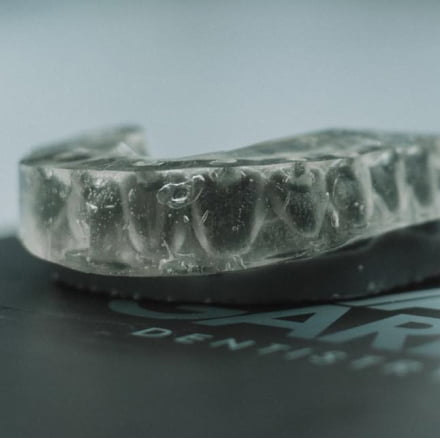
Take particular care with prescribed whitening trays. Use top-up gel only as often as your dentist directs, because overuse can cause sensitivity. Don’t extend a session, add extra gel or repeat an application to chase a shade change. If you’re unsure how to follow the instructions, use your treatment plan as a guide. Consistent, measured use is safer than trying to speed up the effect with more whitening.
Tobacco is another avoidable cause of re-staining. Cigarettes and chewing tobacco can yellow teeth, and smoking can undermine the brighter appearance you’ve worked to achieve. Smokers may retain whitening results for 3 to 6 months. Avoiding tobacco after treatment helps reduce exposure to staining chemicals, while quitting also supports oral health beyond the colour of your smile.
Protect the result with everyday choices rather than repeated bleaching. Keep up regular brushing and cleaning between teeth, and limit tobacco exposure. If you use coffee or tea, rinse with water afterwards; if you’ve recently whitened, take extra care during the first 48 hours. These habits address common external staining without putting enamel through another whitening cycle. They also make it easier to distinguish surface stains from a change in the underlying tooth colour.
Some changes after treatment can take time to settle. White spots caused by dehydration after whitening may take up to two weeks to reduce in some cases. Don’t try to correct these spots by applying more whitening gel; the contrast can change as the enamel rehydrates. If you’re considering another whitening treatment, allow your enamel to settle first and follow your dentist’s guidance on timing and top-ups. Patience, careful aftercare and avoiding tobacco help preserve a brighter smile without unnecessary repeat treatment.
Whitening can leave teeth more open to staining temporarily, which helps explain why aftercare matters. The whitening procedure slightly weakens tooth enamel during treatment. Teeth are especially susceptible to discolouration during the first 48 hours afterwards. That doesn’t mean stains are inevitable; it means pigments can take hold more readily during this early period. Give your smile extra protection then, rather than assuming the treatment alone will prevent colour returning.
Dark pigments are one part of the picture. Tannins in coffee, tea and red wine can cling to tooth surfaces, while cola, berries and tomato-based sauces also bring strong colour. If these foods and drinks meet teeth during the first 48 hours, staining may be more likely. Rinsing with water after consuming them can wash away some residue. Choosing lighter-coloured food and drink during this period reduces exposure to those pigments.
Acidity adds another reason to take care. Citrus fruit, pickled foods and processed meats are examples of acidic foods that can further weaken enamel after whitening. Acidic drinks can have a similar effect. Avoiding acidic foods for at least 48 hours after treatment can help minimise discomfort and protect newly whitened teeth. If you do have an acidic drink, rinse with water and wait 30 minutes before brushing, rather than scrubbing enamel straight away.
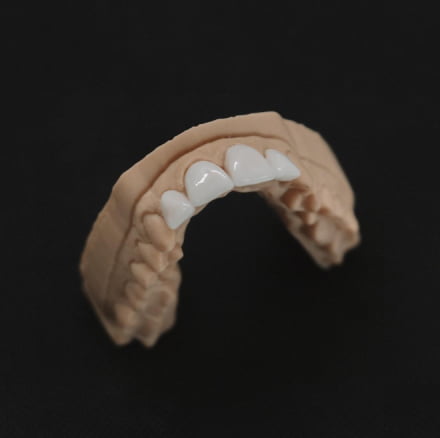
Surface staining and the underlying tooth shade aren’t the same. Coffee or red wine can leave external colour, which daily cleaning helps manage. Intrinsic discolouration comes from within the tooth and has different causes, including certain medicines or genetic conditions. Whitening acts on natural tooth structure, but it doesn’t change the colour of fillings, crowns, veneers or bonding in the same way. Those materials may therefore look different beside newly whitened teeth.
The practical takeaway is to treat the first 48 hours as a protection period: limit strongly coloured and acidic foods, rinse after unavoidable staining drinks, and keep brushing gentle. After that, regular hygiene and moderation help manage new surface deposits. If your teeth look uneven, don’t assume another whitening treatment is the answer; existing dental work and intrinsic colour can affect the appearance. Explore professional teeth whitening to learn about treatment and aftercare suited to your smile.
Khan Dental offers Invisalign® aligners for people looking to address tooth alignment as part of a broader smile goal. They don’t prevent staining, so daily cleaning and careful aftercare remain important after whitening. If your main concern is tooth colour, professional teeth whitening may be the more relevant conversation. If alignment also affects how you feel about your smile, Invisalign® aligners can be considered alongside your aesthetic aims.
Different concerns call for different approaches. A discussion can help you understand whether you’re focused on surface stains, tooth shade, alignment or a combination. That gives you a clearer starting point without treating extra whitening as the answer to every concern.
Contact Khan Dental to discuss your smile goals and the treatment that may suit them.
A brighter smile can be a starting point, not the whole story. Your next step may be maintaining your current shade, exploring alignment or considering how different aesthetic goals could work together. Knowing how to prevent teeth stains after whitening gives you a practical foundation for protecting your smile, while your priorities help shape what comes next.
Khan Dental offers Invisalign® aligners, Porcelain Veneers and professional teeth whitening, giving you different options to discuss according to the change you hope to make. If you’re weighing up treatment, think about what matters most to you: colour, alignment or the overall appearance of your smile. A considered conversation can help bring those goals into focus without rushing towards another whitening session.
Contact Khan Dental to discuss your smile and explore a thoughtful next step. Your smile goals are personal, and you can approach them one decision at a time.
Whitening results can last from several months to a few years, depending on habits and oral hygiene. People who don’t smoke and maintain careful hygiene may retain results for 2 to 3 years. Moderate tea or coffee drinkers may see results last 12 to 18 months, while heavy drinkers may see them last 6 to 12 months. Smoking can shorten this to 3 to 6 months.
It’s best to avoid coffee during the first 48 hours after whitening, when teeth are more vulnerable to staining. If you do drink it, rinse with water afterwards to wash away some tannins. A straw may reduce contact for cold drinks, but isn’t practical for hot coffee. Wait 30 minutes after coffee before brushing, so you don’t brush immediately after exposure.
For the first 48 hours, avoid dark or strongly coloured foods and drinks, including coffee, black tea, red wine, cola, berries, beetroot, tomato sauces, soy sauce and turmeric-rich curry. Avoid acidic foods such as citrus fruit and pickled foods, too. Tobacco can also contribute to re-staining, so avoid smoking and chewing tobacco after treatment. Choose water and paler foods instead.
White patches can become more noticeable after whitening, particularly if they were present beforehand. Spots caused by dehydration often fade as enamel rehydrates, usually within 24 to 48 hours, though some may take up to two weeks to reduce. Don’t try to even out the colour with extra whitening. If the patches remain unchanged or worsen after two weeks, contact your dental practice.
Take extra care with strongly coloured and acidic foods and drinks for the first 48 hours. Examples include red wine, coffee, tea, cola, dark berries, beetroot, tomato-based sauces, balsamic vinegar and turmeric curry. Citrus fruit and pickled foods are acidic choices to avoid during this period. Afterwards, having staining items in moderation and rinsing with water can help reduce pigment lingering on teeth.
Teeth are especially susceptible to staining during the first 48 hours after whitening. That’s the period to be most deliberate about dark pigments such as coffee, red wine and berry juices. Avoiding these foods and drinks helps limit exposure while teeth settle. After that window, stains can still build up over time, so regular cleaning and rinsing after coloured drinks remain useful habits.
Choose water, milk or coconut milk, and lighter-coloured meals during the early aftercare period. Options include cauliflower, pasta, white fish, cheese, grilled chicken breast and tofu. These choices make it easier to avoid strongly pigmented sauces and produce immediately after treatment. White wine is also a suggested alternative to darker drinks, although water is a straightforward everyday choice.
Smoking and chewing tobacco can yellow teeth and contribute to re-staining, so avoid tobacco after whitening. Extra care is particularly important during the first 48 hours, when teeth are more susceptible to colour changes. Vaping shouldn’t be treated as a stain-prevention measure or a substitute for careful aftercare. Limiting tobacco exposure beyond the initial period can help protect the brightness of your smile.
Back to Blogs

Schedule a consultation to begin your smile transformation. Our team will assess your needs and create a personalised plan just for you.
Call Us 0151 724 1888
Book a Consultation