What if the subtle, tooth-coloured shapes placed on your enamel aren’t a compromise to your clear aligner journey, but the quiet architects behind your dream smile? It’s completely natural to feel hesitant when you first hear about them. You chose discreet orthodontics for its subtlety, so worrying that small bumps might spoil the aesthetic, damage your enamel, or make removing your trays an ordeal makes perfect sense. Having Invisalign attachments explained from an artistic, reassuring perspective transforms that hesitation into quiet confidence.
In this guide, you’ll discover precisely how these bespoke composite anchors function, why they are essential for guided, complex tooth movements, and how to care for them comfortably throughout treatment. We will explore seamless techniques to insert and release your trays with ease, ensuring your natural teeth stay radiant, healthy, and beautifully unstained from day one.
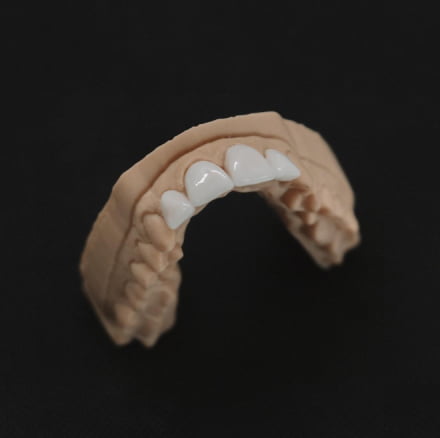
Modern orthodontics combines subtle design with sophisticated engineering. When you examine clear aligners, their smooth plastic appears almost too sleek to reposition crowded teeth on its own. That is where attachments step in. Invisalign attachments are miniature, tooth-coloured shapes crafted from dental composite resin that are gently bonded to specific teeth during your smile journey.
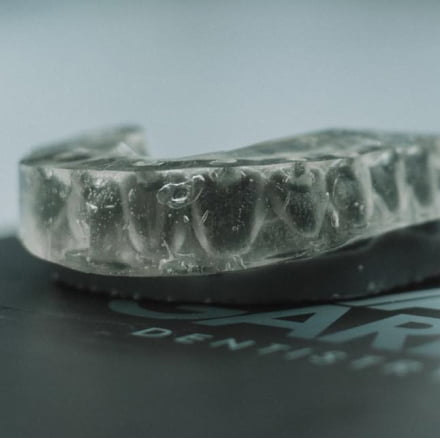
Think of them as tiny, precision handles. Smooth aligner plastic needs physical traction to guide teeth effectively; without it, the flexible material would simply slide harmlessly over curved enamel. Each bespoke aligner tray is fabricated with micro-reservoirs designed to snap snugly over these composite shapes, converting gentle pressure into predictable tooth movement. Having Invisalign attachments explained through this mechanical lens clarifies why they are not aesthetic flaws, but essential tools for clinical success.
Aligning rounded or conical teeth, like premolars and canines, requires calibrated leverage. Without a firm point of contact, smooth aligners struggle to twist or intrude rounded surfaces. Attachments create active contact faces that intercept the aligner’s gentle force vectors, turning abstract digital planning into physical reality. Attachments are gentle anchors that enable precise, multi-directional orthodontic alignment with complete biological control.
Patients naturally value their privacy during cosmetic dental treatments. For this reason, attachments are sculpted from premium composite resin, the same material dentists use for fine cosmetic bonding and restorative artistry. Consider how this discreet craftsmanship protects your peace of mind:
Once you have your Invisalign attachments explained as tailored architectural anchors, it becomes clear how they bridge the gap between subtle aesthetics and exceptional alignment results.
Every smile transformation is an exercise in bespoke facial geometry. Rather than using identical moulds across every tooth, your clinician customises the geometry of each SmartForce attachment to match the exact mechanics your teeth require. In contemporary orthodontic treatment with clear aligners, these minute composite shapes translate subtle plastic tensions into profound, long-term changes.
Rectangular bevelled attachments, for instance, create broad, angled contact planes. These provide the necessary leverage for bodily translation, moving an entire tooth through the jawbone rather than simply tipping its crown. They also give your trays the grip required for root uprighting, ensuring each tooth sits straight within your gumline.
Rounded or elliptical attachments are specifically engineered to address conical premolars and canines. By wrapping smoothly around the tooth’s curvature, they direct active rotational torque to swivel stubborn teeth into position. Extrusion shapes create miniature ledges that allow trays to draw shorter teeth down into an even smile plane. Conversely, intrusion bevels guide elevated teeth gently back into the dental arch to balance out uneven bites.
Understanding the distinction between various aligner components ensures you feel completely at ease throughout your journey:
Having Invisalign attachments explained alongside these auxiliary tools demystifies the entire alignment process. If you want to explore how these tailored mechanics work together for your own smile, read our complete guide to Invisalign Liverpool, or visit the team at Khan Dental to discuss a bespoke treatment plan tailored to your facial aesthetics.
One of the most common anxieties before starting treatment is whether these additions compromise the near-invisible appeal of clear aligners. It’s a completely understandable concern. You chose this path for its subtlety. Having Invisalign attachments explained candidly means looking honestly at their appearance, daily comfort, and biological impact on your enamel. The reality is reassuring: they are remarkably discreet, easily managed, and completely protective of your natural smile.
Clinicians plan placement with artistic precision, positioning anchors on side or rear teeth whenever clinically viable to keep your front profile clear. When your aligners are in place, the patented plastic refracts ambient light, effectively camouflaging the composite boundaries underneath. Most people will never notice them from conversational distances.
To preserve this discreet finish throughout your treatment, simple daily habits make all the difference:
When you remove your trays for dining, attachments initially feel like tiny, raised pebbles against your lips and cheeks. It feels strange for a day or two. Your oral tissues adapt swiftly, softening to the new contours within your first week. If you experience mild tenderness or friction while eating during the initial transition, a small pinch of orthodontic relief wax creates an instant, smooth cushion until your mouth adjusts.
A frequent worry amongst patients is that bonding resin might permanently weaken their natural teeth. In truth, the placement process is entirely non-invasive. We use a gentle surface conditioning gel that allows high-grade composite to bond to the outermost enamel prisms without any drilling or irreversible enamel reduction. Your underlying natural teeth remain fully protected beneath the resin throughout your alignment journey. When your Invisalign attachments explained this way, you can look forward to a radiant, straight smile with your healthy natural enamel preserved.

Once your anchors are secured, your day-to-day rhythm requires a few mindful adjustments. Clear trays snap onto composite shapes with intentional grip, which can occasionally make daily removal feel intimidating during your first few days. Having Invisalign attachments explained through practical techniques replaces that initial tension with effortless habit.
Removing a snug aligner without twisting the plastic demands a methodical, inside-out sequence. Follow this simple routine to protect both your trays and your composite shapes:
When inserting your trays, seat them gently over your front teeth first before pressing down firmly across your back molars. Biting gently on soft aligner chewies ensures each micro-reservoir seats fully over its corresponding shape.
Dental composite is resilient, but the microscopic margins where resin meets enamel require gentle daily maintenance. Rinse thoroughly with cool water immediately after consuming coffee, tea, or rich sauces. Use a soft-bristled toothbrush to polish carefully around the circumference of each anchor. Avoid abrasive whitening or charcoal toothpastes; their gritty texture creates microscopic scratches across composite surfaces, accelerating unwanted surface discolouration.
Occasionally, an attachment may come loose during a meal or while brushing. Don’t panic. This is neither an emergency nor a setback. Simply continue wearing your current tray as scheduled to keep your teeth tracking in position, and contact Khan Dental so our team can cleanly re-bond the shape during a brief, comfortable appointment.
With simple, consistent care and Invisalign attachments explained clearly, managing your trays quickly becomes second nature, leaving you free to enjoy your ongoing aesthetic transformation.
Every phase of your aligner experience is designed around clinical precision and patient comfort. From the moment anchors are bonded to the day they are lifted away, the entire lifecycle is non-invasive and gentle. Having Invisalign attachments explained across this timeline ensures you know exactly what to anticipate as your final smile takes shape.
Placement involves zero drills, needles, or discomfort. Your clinician begins by cleaning and conditioning the enamel surface with a gentle preparation gel. A flexible template tray, pre-loaded with shade-matched composite resin, is seated over your dental arch. A focused LED curing light is applied for several seconds per tooth, hardening the composite instantly. The template is gently peeled away, leaving only your perfectly proportioned anchors in place.
When your teeth reach their planned destinations, removal is swift, calm, and satisfying. Specialized composite-removal instruments gently lift the resin away from your enamel:
Achieving straight dental arches provides the ultimate canvas for balanced facial aesthetics. Once attachments are polished away, many patients choose to pair their newfound alignment with refined finishing touches. You can explore composite bonding Liverpool to restore worn edges, smooth micro-chips, or subtly enhance tooth shape. Combining this with professional teeth whitening Liverpool creates an exceptionally bright, symmetrical, and harmonious result.
With comprehensive Invisalign attachments explained from initial bond to final polish, you can embrace the process knowing your teeth are safe at every step. If you are ready to begin, reserve a tailored consultation with Khan Dental to design your personal transformation.
With Invisalign attachments explained as precision instruments rather than aesthetic compromises, you can approach orthodontic treatment with absolute peace of mind. These subtle composite anchors protect your natural enamel whilst quietly guiding teeth into ideal balance. From meticulous cosmetic shade-matching that ensures seamless discretion to gentle polishing at treatment completion, every phase is non-invasive, predictable, and remarkably comfortable.
True cosmetic transformation goes beyond straight teeth; it is about creating balanced facial harmony and renewed personal confidence. At Khan Dental, our doctor-led clinical oversight tailors every detail to your individual profile. As a comprehensive cosmetic practice, we ensure your alignment transitions effortlessly into artistic post-treatment refinements, whether you desire delicate edge bonding or a bespoke smile makeover. You deserve an orthodontic experience that feels calm, unhurried, and exceptionally crafted. Begin your bespoke smile journey with Khan Dental, and embrace the refined, radiant smile you have always envisioned.
No, the placement and removal of attachments is completely painless. Neither step requires dental injections, numbing agents, or drills. During placement, composite resin bonds to your enamel under a gentle blue curing light. When treatment concludes, your clinician uses a smooth finishing bur that gently vibrates against the tooth to lift the resin away, ensuring your comfort and keeping your natural enamel pristine.
In everyday social settings, people rarely notice your attachments. Having Invisalign attachments explained by an experienced cosmetic clinician reassures patients because each shape is custom-shaded to mirror your exact enamel tone. When your trays are in place, the clear plastic softens reflection lines and refracts light across your smile, making the anchors virtually imperceptible from normal conversational distances.
Attachments can attract minor surface discolouration if exposed frequently to intense pigments, but consistent oral hygiene keeps them bright. The dental composite resin itself resists deep staining; however, residue from espresso, turmeric, and red wine can gather around the composite margins. Rinsing thoroughly with water after dining and brushing gently with a soft-bristled brush preserves a clean, discreet aesthetic.
Keep wearing your current aligner tray as normal and contact your clinic to schedule a re-bonding visit. A dislodged attachment is never an emergency, nor will it derail your progress if addressed promptly. At our Liverpool clinic, we gently clean the enamel and cure a new shade-matched composite shape onto the tooth using your template tray during a short, effortless appointment.
While very mild aesthetic corrections may occasionally proceed without attachments, comprehensive transformations almost always require them. Clear aligners need mechanical traction points to achieve complex torque, root uprighting, and tooth rotation. Having Invisalign attachments explained reveals how these minute shapes deliver the precise leverage necessary for predictable results that smooth aligner plastic cannot achieve on its own.
Clinicians remove attachments using specialised composite-removal instruments engineered to polish away resin without cutting natural enamel. The instrument gently dissolves the bond line, leaving your underlying tooth structure completely untouched. Your dentist then buffs each tooth with a fine cosmetic polishing paste, instantly restoring the smooth texture, radiant gloss, and natural lustre of your teeth.
Aligners fit noticeably tighter over attachments at first, but following a methodical release technique makes removal straightforward. Always lift the aligner from the inner lingual edge of your back molars on both sides before peeling it forward. Rolling the tray outward releases the tension around composite anchors effortlessly, preventing tray breakage and protecting your natural teeth.
Back to Blogs

Schedule a consultation to begin your smile transformation. Our team will assess your needs and create a personalised plan just for you.
Call Us 0151 724 1888
Book a Consultation