Could a little pressure be part of your progress, rather than a sign that something has gone wrong? If a new set of Invisalign® aligners feels tight or your teeth feel tender, it’s understandable to want reassurance and safe, practical Invisalign pain relief. Mild discomfort can happen as your teeth adjust, particularly after changing aligners, but you shouldn’t have to guess what’s appropriate or simply put up with pain.
This guide explains why aligners may cause pressure or soreness and offers gentle ways to ease mild discomfort without disrupting your treatment. It also explains which symptoms deserve a conversation with your dental professional, including sharp, severe or persistent pain, or an aligner that rubs or no longer fits properly.
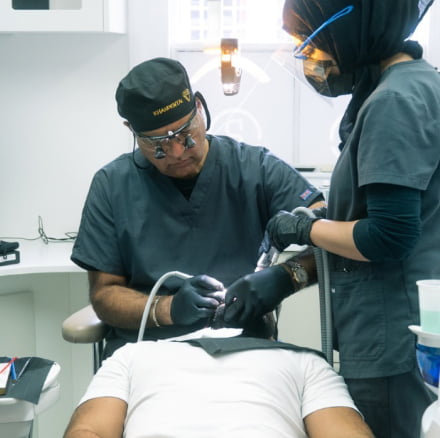
Clear guidance can help you distinguish a temporary adjustment from a concern that needs individual attention. At Khan Dental, bespoke Invisalign care is planned around your smile, and the dental team can advise you about your treatment and comfort.
A new sensation in your teeth can be unsettling, particularly if you’re unsure whether it’s part of treatment or a sign that something needs attention. Invisalign® aligners are planned to guide teeth towards new positions, and the gentle pressure can make some teeth feel tender. That doesn’t automatically mean anything is wrong, but don’t dismiss discomfort that feels intense or continues to worsen.
Aligner pressure is a feeling of gentle tightness or tenderness as an aligner applies planned force to guide teeth gradually into position. The sensation can reflect the intended movement, although only a dental professional familiar with your treatment can advise on your individual symptoms.
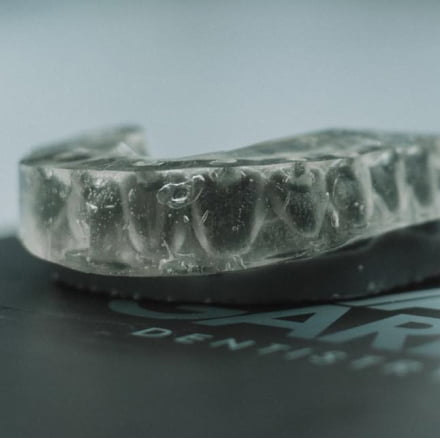
Clear aligners, such as Invisalign, are designed to gradually shift teeth into alignment. As treatment progresses, a new aligner may feel different because it is shaped for the next stage of your plan. Pressure might be more noticeable around particular teeth rather than across your whole mouth, and your experience can vary between aligner changes.
Consider the quality and pattern of the discomfort. Mild, general tenderness or tightness is different from sharp pain, pain that persists or worsens, or discomfort focused in one area. These signs don’t identify a cause on their own, but they’re worth discussing with your treating dental team rather than trying to diagnose yourself.
Some people describe pressure as a snug fit or sensitivity when biting; others notice a dull ache or tenderness around a few teeth. It may be more apparent when you first change aligners, but sensations vary between people and stages of treatment. There’s no single feeling everyone should expect. Notice whether it remains mild and manageable or becomes sharper, more troubling or harder to ignore.
A new aligner is designed for a different point in your treatment, so its fit and the pressure it places may feel unfamiliar. If it doesn’t appear to sit evenly against your teeth, or you notice a persistent gap or rubbing, that alone doesn’t prove the aligner is faulty. Avoid forcing it into place or adjusting it yourself. If the fit concern persists or discomfort is significant, seek advice from your treating dental team.
If you’re looking for Invisalign pain relief, first identify what you’re feeling rather than assuming every ache is routine or every tight aligner signals a problem. Note where the discomfort occurs, whether it feels like general tenderness or sharp pain, and whether the aligner seems to sit as expected. These details can help your dental team give guidance tailored to your treatment.
For mild tenderness, start with simple comfort measures and follow the aligner routine in your treatment plan. These steps may make the adjustment more manageable, though they can’t guarantee that discomfort will disappear. If pain is severe or getting worse, seek advice from your treating dental team rather than relying on home care alone.
Cool drinks and a wrapped cool compress are simple ways to try to ease tenderness. They’re comfort measures, not guaranteed pain treatments. A softer meal may also make chewing feel less demanding. Saltwater rinsing isn’t suitable for everyone, so use it only if your dental professional has said it’s appropriate for you.
Don’t change your prescribed wear schedule independently to avoid mild pressure. Repeatedly removing aligners may make it harder to follow your individual plan. If you’re struggling to wear an aligner as directed or have a concern about its fit, speak with your treating dental team before adjusting your routine.
Keep your response measured: try one suitable comfort step, notice whether it helps, and seek individual advice if discomfort persists or the aligner is difficult to wear. For personalised guidance about Invisalign pain relief, Khan Dental’s bespoke Invisalign care gives you a way to discuss your treatment and comfort concerns with the dental team.
Different measures may suit different kinds of discomfort. Cooling may feel comforting when your mouth is tender, while softer foods can make chewing easier. Medicines are a separate consideration and may not suit everyone, so follow the product instructions and seek individual advice if you’re unsure.
For mild discomfort, start with a simple comfort measure that suits the sensation, and seek dental advice if the pain is severe or persistent. This comparison can help you consider your options, but it can’t identify the cause of pain or replace an assessment.
| Option | Possible role | Important caution |
|---|---|---|
| Cool water | May feel soothing for general tenderness. | Comfort measure only; it won’t correct a fit concern. |
| Wrapped cool compress | May provide a cooling sensation against the cheek. | Keep it wrapped and don’t apply ice directly to skin or teeth. |
| Softer foods | May make chewing more comfortable if teeth feel tender. | Choose foods that suit you; this doesn’t address aligner fit. |
| Saltwater rinse | May be an option for some people if advised by a dental professional. | Use only if a dental professional has confirmed it is suitable for you. |
| Pain relief medicines or topical products | May be considered for pain, depending on personal circumstances. | Follow the product label and ask a pharmacist or dentist for advice; don’t assume a topical product is suitable. |
Choose an option based on what feels uncomfortable. A cool drink or wrapped compress may suit general tenderness, while softer food can help if biting or chewing is bothersome. Neither changes how an aligner fits. Use a rinse only on the advice of a dental professional; don’t rely on it to heal soreness or treat an underlying problem.
If you’re considering a medicine or a product applied in the mouth, read its label and ask a pharmacist or dentist if you need tailored advice. Suitability can depend on your circumstances, so this guide can’t recommend a particular product, medicine, dose or duration. Avoid applying unverified products to sore areas, especially if you’re unsure what has caused the irritation.
Invisalign pain relief at home is intended to make mild discomfort more manageable, not to mask a problem. Severe or persistent pain needs individual assessment. Discuss worsening symptoms or an ongoing concern about fit with your treating dental team.

Mild tenderness can happen while adjusting to Invisalign® aligners, but you don’t need to judge every new sensation alone. Contact your treating dental team if pain is severe, persistent or worsening, or makes eating or wearing your aligner difficult. These symptoms don’t reveal the cause by themselves, but they deserve individual assessment rather than an online diagnosis or repeated attempts to manage them at home.
Get in touch with your treating dental team if discomfort isn’t settling, becomes sharper or more intense, or interferes with eating or your prescribed wear routine. A visibly damaged aligner, ongoing rubbing, or a persistent concern that it isn’t sitting properly are also reasons to ask for guidance. Don’t try to reshape the aligner or force it into place; your dental team can advise on the next step for your treatment.
Pay attention to changes, not just the presence of discomfort. Manageable general tenderness is different from pain that is becoming harder to tolerate or is focused in one area. If you’re uncertain, seek advice. A dental professional can consider your symptoms alongside the aligner’s fit and your treatment plan.
A clear description can help your dental team understand what has changed. Before you get in touch, note:
You don’t need to diagnose the problem before asking for help. Specific observations are more useful than a guess about what’s causing the pain. If you’ve tried a comfort measure, mention that too, including whether it made any difference. Avoid changing your wear schedule or adjusting the aligner while waiting for tailored guidance.
Good Invisalign pain relief guidance includes knowing when home comfort measures aren’t enough. If you have persistent pain or a concern about fit, contact Khan Dental about your Invisalign discomfort to discuss your treatment with the dental team.
Aligner discomfort can raise questions that general advice can’t answer: does the fit feel right, is a particular area rubbing, or is it difficult to follow your prescribed wear routine? At Khan Dental, bespoke Invisalign® care gives you the opportunity to discuss those concerns alongside your smile goals. Guidance can then be personal to your treatment rather than based on guesswork. This doesn’t mean discomfort can always be prevented.
A consultation is a chance to talk through what you’re experiencing and what you hope to achieve. Describe where an aligner feels uncomfortable, explain any concern about how it sits, and discuss your treatment goals. Your clinician can consider your concerns as part of bespoke treatment planning. The appointment isn’t a substitute for seeking advice about severe or persistent pain.
The iTero 3D Scanner is used for digital imaging and smile simulation, helping you visualise a planned smile. It can support a clearer conversation about the direction of treatment, but a digital simulation doesn’t predict how comfortable aligners will feel. Individual experiences vary, and the right guidance comes from discussing your concerns with your dental team.
A free consultation includes: Vivera retainers included; Teeth whitening included; 3D scan provided. It gives you an opportunity to explore Invisalign® treatment and raise questions about fit and comfort directly.
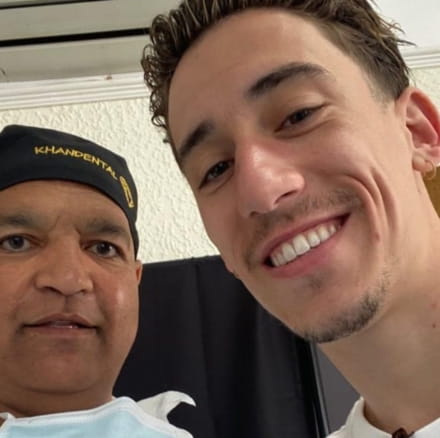
Khan Dental is led by Dr Khalid Khan, who has over 30 years in practice and over 16 prizes and distinctions. The practice is trusted by celebrities and public figures, and welcomes patients seeking personalised smile care. Your treatment plan and experience remain individual, so bring specific concerns about pressure, rubbing or wear to your consultation.
Khan Dental provides Invisalign® aligner care in Liverpool and welcomes patients from the Wirral, Manchester, Altrincham, Wilmslow, Knutsford, Hale, Southport, Ormskirk and Formby. If you’re considering treatment or want to understand how bespoke planning could fit your smile goals, explore Invisalign® aligners at Khan Dental. A conversation can also help you explain what you’ve noticed and discuss appropriate next steps for your care. Invisalign pain relief starts with safe comfort measures for mild symptoms and professional guidance when discomfort needs individual attention.
Arrange your free consultation to discuss your smile goals and Invisalign® aligner concerns with Khan Dental.
Your treatment should feel considered at every stage, including when you have questions about comfort. Rather than second-guessing what a sensation means, use it as a reason to seek guidance that takes your individual plan into account. That conversation can help you feel more assured about how to proceed and what to raise if your experience changes.
Invisalign pain relief isn’t about pushing through discomfort or trying every remedy. It’s about responding gently when symptoms are mild and recognising when personal dental advice is the wiser next step. If you’re exploring Invisalign® treatment, a consultation offers space to discuss your goals and concerns with the team at Khan Dental.
For a personalised conversation about your smile goals and aligner concerns, arrange your free consultation with Khan Dental.
Mild pressure or tenderness can happen as you adjust to a new aligner, but severe or unusual pain shouldn’t be assumed to be normal. Notice whether the feeling is general or concentrated around one tooth, and whether it affects eating or wearing the aligner. If it feels sharp, becomes more intense or causes concern, contact your treating dental team for advice tailored to your treatment.
There isn’t a set timeframe that applies to everyone. Discomfort may differ between people and aligner changes, so don’t rely on a fixed number of days to judge whether treatment is on track. If tenderness isn’t easing, is getting worse or continues to interfere with eating or wearing your aligner, ask your treating dental team for individual guidance.
You may be able to use an over-the-counter painkiller, but what’s suitable depends on your individual circumstances. Follow the medicine’s packet instructions, and speak to a pharmacist or dentist if you’re unsure whether it’s appropriate for you, particularly if you take other medicines or have health concerns. Don’t exceed the stated directions. Pain relief shouldn’t delay dental advice if symptoms are severe or persistent.
Don’t stop or change your prescribed wear routine on your own because of mild discomfort. If pain makes wearing the aligner difficult, or you’re unsure whether it’s seated correctly, contact your treating dental team for advice rather than repeatedly taking it out or forcing it into place. Severe or worsening pain needs individual assessment, so don’t try to manage it solely by changing your wear pattern.
Choose foods that need less biting or chewing, such as soft pasta, mashed vegetables or porridge, and take smaller bites if that feels more comfortable. You don’t need to follow a restrictive diet; let comfort guide your choices and maintain a balanced range of foods you can manage. Follow your aligner instructions around meals, and speak to your dental team if soreness makes eating difficult.
Make a note of which tooth is uncomfortable and whether the feeling is pressure, tenderness or sharp pain. A single sore tooth doesn’t reveal the cause, so don’t try to diagnose it or adjust your aligner yourself. If the pain is severe, persists, worsens or affects your ability to wear the aligner, contact your treating dental team. Share when it began and any change in fit.
An aligner may rub against the inside of your mouth, but a persistent sore or cut deserves dental advice, especially if it’s worsening or making the aligner difficult to wear. Don’t trim or reshape the aligner yourself, as this could affect its fit. Avoid applying topical products unless a dentist or pharmacist advises they’re suitable. If you’re receiving Invisalign care in Liverpool, share the location of the sore with your dental team.
Back to Blogs

Schedule a consultation to begin your smile transformation. Our team will assess your needs and create a personalised plan just for you.
Call Us 0151 724 1888
Book a Consultation