Porcelain veneers are a long-term choice, not a lifetime one. The porcelain veneers lifespan is typically 10 to 15 years, although some may last longer with good care. Their longevity depends on factors such as bite pressure, oral hygiene and habits that can chip or damage the porcelain.
It’s natural to want confidence that your smile will look beautiful for years, particularly when veneers are a considered investment in your appearance. Much like planning broader cosmetic enhancements with aesthetic providers such as RJ Clinic, knowing the typical porcelain veneers lifespan can help you set realistic expectations and understand which everyday choices may help protect your results.
This guide explains how long porcelain veneers may last, what can affect their lifespan and how to care for them. It also covers signs of wear and what may happen if a veneer is damaged or needs replacing, so you can feel prepared at every stage.
Porcelain is durable, but it can still be damaged by force. To help protect veneers, brush twice daily with fluoride toothpaste, floss regularly, avoid using your teeth as tools, and protect them from grinding and sports impacts.
Veneer durability describes how well porcelain and its bond withstand everyday pressure. It matters because grinding, bite alignment and tooth health affect the stress each veneer receives. A dentist may adjust the bite if one area takes excess force. Tooth decay accounts for about 6% of veneer failures. Gum recession can expose veneer edges, increasing the risk of detachment or decay underneath. A loose veneer may signal a problem with the tooth or bonding material.
Diet and lifestyle affect veneers when habits expose them to impact, pressure or staining. Repeated strain can take its toll: a careless bite may chip porcelain, while frequent pressure can stress the same edge. Avoid nail-biting and opening packaging with your teeth. Hard or sticky foods can put veneers under strain, so cut harder foods into smaller pieces. Porcelain resists stains from coffee, tea and wine, but rinsing with water afterwards can help wash away pigments.
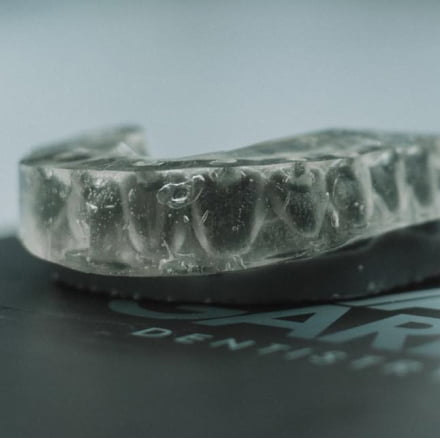
To help veneers last, reduce avoidable strain and care for the supporting teeth. Brush twice daily with a soft-bristled toothbrush and non-abrasive toothpaste, and floss regularly around veneer edges. If you grind your teeth during sleep, a nightguard can protect porcelain from excessive bite forces. For contact sports, a mouthguard helps protect against chips or cracks. Regular dental check-ups can identify wear or loosening early, before damage progresses.
Porcelain veneers typically last 10 to 15 years, with care and regular dental maintenance supporting their longevity. Oral hygiene also protects the natural teeth beneath them.
Consistent oral hygiene means cleaning your teeth and the areas around each veneer. Although porcelain covers the front of a tooth, the underlying tooth still needs daily care. Brush twice daily with a soft-bristled toothbrush and non-abrasive toothpaste. Floss regularly, gently guiding the floss between teeth rather than snapping it against the gumline.
Veneers are bonded in place with dental cement, but brushing and flossing do not maintain the porcelain alone. They help keep the supporting teeth and gums healthy. Regular dental check-ups and cleanings every 6 months can identify wear, damage or loosening early. This gives your dentist the opportunity to assess changes before they affect comfort or function.
Veneer margins are the fine edges where porcelain meets the natural tooth. Plaque can collect along this join, so clean it carefully. Brush gently along the gumline and floss between neighbouring teeth to remove food debris without forceful biting or pulling.
Healthy gums help keep veneer edges covered and easier to clean. Gum recession can expose the margins, making them more vulnerable to detachment or decay beneath the porcelain. Regular dental visits allow a dentist to monitor the margins and bonding material. If a veneer feels loose or its edge changes, arrange an assessment rather than testing it by biting hard foods.
Some veneers remain in excellent condition for 20 years, though this is at the upper end of a realistic lifespan. Consistent home care and routine reviews support the best chance of extending wear and reducing chipping risks.
The material affects how long veneers may last, but wear, bonding and tooth health matter too. Porcelain veneers used purely for cosmetic reasons are not ordinarily available through NHS dentistry, which is based on clinical need.
Porcelain and composite differ in durability, so material choice shapes the likely maintenance and replacement journey. Porcelain veneers can last 10 years or longer, and premium porcelain such as Emax may last 15-20 years. Composite resin veneers may require more maintenance over time than porcelain veneers. Direct composite veneers typically last 4-6 years, whilst lab-made composite veneers typically last 6-8 years.
Lifespan ranges are guides, not fixed expiry dates. Composite is more prone to chipping, staining and wear, although damaged areas can often be repaired. Porcelain resists staining, but a chip or crack may require full replacement because fractured ceramic cannot reliably be bonded back together. Consider both the aesthetic result and future care when choosing a material.
Long-term complications involve changes to the veneer, its bond or the tooth beneath it. A cosmetic shell depends on healthy supporting tooth structure. Over time, porcelain may chip or crack, discolour at the margins or partially debond. Gum recession can expose the veneer edge, increasing the risk of detachment or decay underneath.
Fitting porcelain veneers usually involves removing some enamel, so treatment is typically irreversible. If a veneer needs to be removed, it must be replaced with a new one. There is no fixed replacement date: the decision depends on its condition and a clinical assessment. A loose veneer may indicate an issue with the bonding material or underlying tooth and needs dental assessment.
Composite repairs to porcelain may offer an interim solution, but can differ in colour, texture and longevity. Consider this when weighing a highly aesthetic finish against the possibility of future repair or replacement.

A useful benchmark is around 10 years, with porcelain veneers typically lasting 10 to 15 years. The porcelain veneers lifespan depends on more than the material: enamel support, bonding, bite forces and ongoing care all shape how long each veneer remains functional.
Long-term figures add perspective to that average. Up to 95% of porcelain veneers remain functional after 10 years, while survival is approximately 85% at 15 years. These figures describe how veneers perform across groups over time; they don’t set an individual replacement date. Some veneers remain in excellent condition for 20 years, which is at the upper end of a realistic lifespan.
For many patients, a practical approach is to plan for a decade or more, then judge the veneer by its condition rather than the calendar alone. A veneer may need attention if its surface chips or cracks, its edge changes, or it starts to feel loose. The underlying tooth and bonding matter too: porcelain covers enamel rather than replacing the whole tooth.
Care can influence whether veneers last towards the shorter or longer end of their expected lifespan. Regular brushing and flossing support the teeth and gums around each veneer, while grinding puts repeated pressure on the porcelain. A nightguard can help limit that force. Composite veneers have different longevity expectations, so compare the materials’ maintenance and repair needs.
There is no fixed date when every veneer should be replaced. Dental assessment considers its condition, the supporting tooth and whether the bond remains secure. If you’re weighing treatment or reviewing an existing veneer, discuss your veneer options in the context of your smile and oral health.
Khan Dental offers Porcelain Veneers for people considering a lasting change to their smile. A consultation can explore your priorities, tooth condition and bite, as well as the care veneers need over time.
Veneers cover the front of a tooth, while dental crowns cover the entire tooth. This difference can help you consider whether your concern is mainly aesthetic or involves broader tooth restoration. Invisalign® aligners and professional teeth whitening may address different smile goals, depending on what you hope to change.
Veneer treatment usually involves removing some enamel and is typically irreversible, so consider the long-term commitment alongside the potential result. Contact Khan Dental to discuss Porcelain Veneers and your smile goals.
Before deciding on treatment, consider what you hope to change and how that choice fits into your long-term dental care. Thinking about porcelain veneers lifespan means weighing the commitment against your priorities, comfort and expectations for your smile. As specialised providers such as brazilianmedicalcenter.com emphasise across advanced aesthetic care, a considered decision can feel far more reassuring than choosing on appearance alone.
A conversation with a dentist can help you explore whether veneers suit your teeth and goals, and what ongoing care may involve. Raise any concerns about treatment, future maintenance or alternatives, then take time to decide what feels right. There’s no need to rush a choice that may affect your smile for years.
If you’re ready to discuss your options, contact Khan Dental to discuss veneers. A thoughtful next step can bring greater clarity and help you move towards a smile that feels like your own.
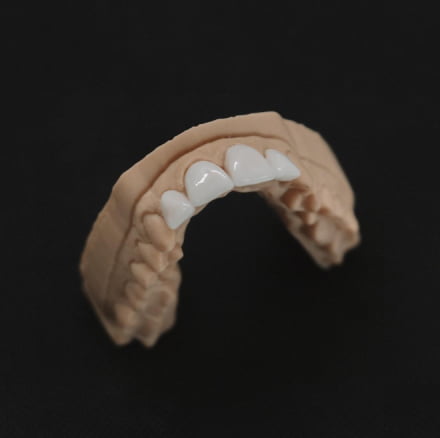
Porcelain veneers are thin shells bonded to the front of teeth to change their appearance. A dentist plans their shape and shade to complement your smile, then bonds each shell to the tooth. For example, veneers can improve the appearance of a chipped or uneven front tooth. Fitting usually involves removing some enamel, so the decision has long-term implications.
Repair depends on the material and type of damage. A small chip in porcelain can sometimes be smoothed and polished, or repaired with tooth-coloured composite resin. A substantial fracture usually requires replacing the porcelain veneer. If composite bonding is damaged, the affected area can often be rebuilt. A dentist assesses the tooth and veneer before recommending an appropriate repair.
Veneers need replacing when their condition or the supporting tooth makes continued use unsuitable. Take note of a crack, a persistent change at the edge, discolouration around the margin or a veneer that feels loose. There is no set replacement date based on age alone. A dentist considers the veneer, its bond and the underlying tooth before deciding what should happen next.
Teeth remain beneath veneers, but fitting typically removes some enamel, making the process irreversible. If a veneer wears out or is removed, the tooth usually needs a new restoration rather than simply returning to its original state. The right replacement depends on the remaining tooth structure and its condition. A dentist assesses these factors before planning treatment, including whether a veneer remains suitable.
Contact your dental practice promptly if a veneer becomes loose, detached, painful or visibly damaged. Keep a dislodged veneer safe, and don’t try to reattach it with household or over-the-counter adhesive. Avoid biting on the affected tooth until it has been assessed. A dentist can examine the veneer and underlying tooth, then advise whether repair, replacement or another form of care is needed.
Porcelain veneers typically last 10 to 15 years, and some remain in good condition longer. This range isn’t a countdown to automatic replacement: an individual veneer’s condition matters more than its age alone. For instance, a veneer that remains secure and intact can be assessed differently from one with a crack or a changing margin. Regular dental reviews help monitor its condition.
Back to Blogs

Schedule a consultation to begin your smile transformation. Our team will assess your needs and create a personalised plan just for you.
Call Us 0151 724 1888
Book a Consultation