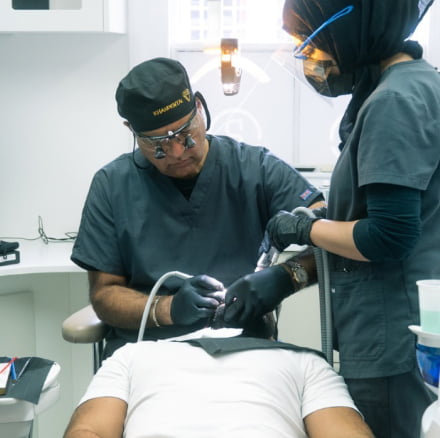
A beautiful veneer depends on the preparation beneath it as much as on the porcelain you see. To understand how porcelain veneers are fitted, start with an assessment of the teeth, followed by careful cleaning and any preparation needed; a dentist may remove about half a millimetre of enamel. Scans or impressions then guide the custom veneers’ manufacture, before their fit, shape and shade are assessed and they’re bonded to the teeth.
Cost matters, and it’s natural to want clarity before considering treatment. The price depends on your case and is provided after a quote request; the number of veneers, preparation required and design all affect the cost. This guide explains what porcelain veneers are, what can influence their cost and how they’re fitted, including why cleaning and preparing the teeth helps create a considered, secure bond. You’ll also learn what to expect from the consultation, scans or impressions and fitting, so you can make your decision with greater confidence.
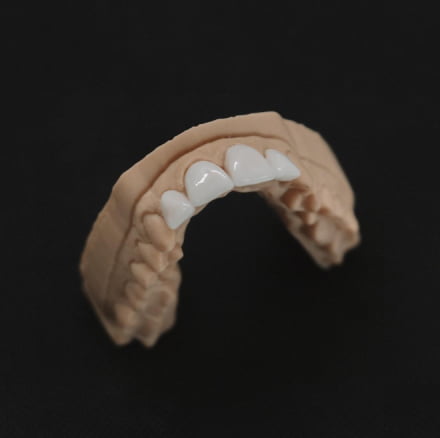
Porcelain veneers are thin, custom-made covers bonded to the front of teeth. They can change a tooth’s visible shape, colour and proportions. A veneer is about 1 mm thick, compared with a crown at 2 mm. The top front eight teeth are commonly treated, while six to eight veneers can create a more even-looking smile.
Dental and gum health come first. Active tooth decay or gum disease should normally be treated before elective porcelain veneer treatment. This establishes a healthy foundation before cosmetic changes are planned. Traditional veneers may require enamel removal, sometimes about half a millimetre, to make room for the porcelain. Selected cases may need minimal or no preparation.
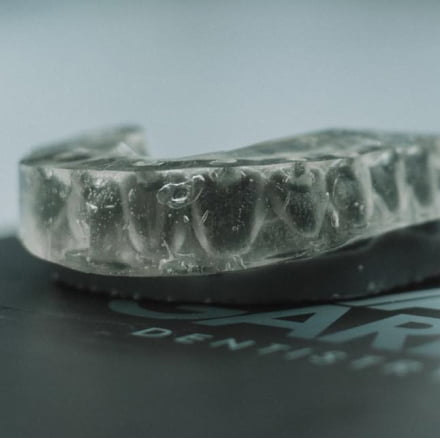
After preparation, the dentist records each tooth’s shape. This can involve soft putty in a tray or a 3D dental scanner. The resulting impression or scan guides the laboratory as it makes custom veneers. Temporary veneers may protect prepared teeth while the porcelain is being made, though they’re not necessary in every case.
At the final appointment, the dentist assesses each veneer’s fit, shape, proportions, shade and contact with neighbouring teeth before bonding. How are porcelain veneers bonded to teeth at this appointment? Dental cement attaches each veneer to its prepared tooth, and ultraviolet light quickly hardens the cement.
What are the risks and side effects of porcelain veneers? Traditional preparation removes enamel and can be irreversible. Veneers can also become damaged, like natural teeth, and may need repair or replacement. Are porcelain veneers reversible, and what alternatives are available? Traditional veneers aren’t reversible after enamel removal. Selected cases may use minimal or no preparation; alternatives include composite bonding, whitening or crowns, depending on the change you’re considering.
Before bonding, the dentist cleans the teeth receiving veneers. This removes debris and helps prevent bacteria from becoming trapped underneath, where they can contribute to tooth decay. Cleaning also gives the dentist a clear view of the enamel, including the edges and areas near the gums. A clean surface is the starting point for careful preparation.
Next, the dentist prepares the tooth surface to help the veneer bond securely. Any enamel adjustment is tailored to the planned veneer and the tooth’s shape. The dentist may gently roughen the bonding area to create a surface suited to adhesion. This is a precise clinical step, not something to imitate at home with abrasive products or tools.
The order matters: cleaning first helps keep debris away from the area being prepared, while roughening creates a surface suited to bonding. The dentist focuses on the planned contact area rather than changing the whole tooth indiscriminately. For example, preparation may be limited to the visible front surface. The amount required depends on the veneer design and the tooth’s existing shape.
Moisture and loose debris can interfere with bonding, so the dentist manages the prepared area before placing the veneer. They check the surface and the veneer’s position, including its edge against neighbouring teeth. This sequence helps the veneer sit smoothly and supports a natural-looking transition. Each tooth is assessed individually, even when several veneers are planned.
After preparation, the veneer is bonded to the tooth. Good daily brushing and interdental cleaning remain important for the natural teeth and gums around it. If you’re weighing up cosmetic changes, a tailored dental assessment can help relate the preparation process to your teeth and goals.

Once the teeth are prepared, an impression or digital scan records their shape. This record guides the custom porcelain design and helps plan the fitting appointment.
A dental impression is a mould of the teeth; a 3D scan records their surfaces digitally. For a mould, soft putty sits in a tray and captures the prepared teeth. With scanning, a handheld device creates a digital record. Both methods give the laboratory the detail needed to make veneers shaped for the individual teeth. The record also helps the dentist assess how the veneers should meet neighbouring teeth.
After the impression or scan, the information is sent to a dental laboratory for custom manufacture. The laboratory uses the recorded tooth shapes to create porcelain veneers, rather than relying on a standard size. The finished veneers need to match the planned fit and appearance. When several teeth are treated, their proportions and relationship to one another also inform the design.
The laboratory stage usually takes longer than the fitting appointment. Traditional porcelain veneers typically take 1 to 2 weeks to return from the laboratory after the mould is made. The appointment to place them typically lasts no longer than 2 hours, although its length varies with the number of veneers and use of local anaesthetic. This gives a practical sense of the separate stages.
Some practices use CAD/CAM technology to design and make veneers in the dental office. CEREC and 3D printing can also produce custom porcelain veneers on site in one appointment, without impressions or laboratory waiting. These approaches change the sequence: digital design and manufacture happen in the practice rather than through an external laboratory. The method used determines whether a separate laboratory interval forms part of treatment.
At fitting, the dentist checks the veneers’ fit and appearance before bonding. The scan or impression guides this bespoke process, linking the prepared teeth to the final porcelain design.
The consultation begins with a discussion of the changes you want and an assessment of your teeth and gums. Active tooth decay or gum disease should normally be treated before elective porcelain veneer treatment. The dentist considers each tooth’s condition and visible shape, as well as how it sits beside neighbouring teeth. These details help determine whether veneers suit your smile and what preparation may involve.
You can discuss the look you hope to achieve, including the shade and proportions of the finished veneers. Consider whitening before choosing the final porcelain shade. Whitening changes the colour of natural teeth, but doesn’t whiten porcelain in the same way. Choosing a brighter veneer shade before discussing whitening, for example, could affect how the porcelain appears beside your natural teeth.
A digital smile plan, mock-up or trial smile can help you picture a proposed design before treatment. These tools let you consider features such as tooth length, shape and balance across the smile. They support discussion but don’t guarantee an identical final result. Your feedback can help refine the proposed appearance before preparation and manufacture are planned.
The dentist will explain how the agreed design connects to the practical stages: preparing the teeth, recording their shape, making the veneers and bonding them. The number of teeth involved and the preparation required affect the treatment plan. If you’re considering cost, the price depends on your case and is provided after a quote request; the number of veneers, their design and preparation requirements are relevant factors.
Use the consultation to describe your priorities clearly, whether you’re focused on shade, symmetry or a particular tooth. Discussing whitening, mock-ups and the proposed veneer design gives you a clearer basis for deciding whether to proceed.
Khan Dental offers Invisalign® aligners for people considering whether tooth alignment should be part of their smile plans. If your main concern is tooth position, discussing alignment alongside porcelain veneers can help clarify which approach suits the change you want. For concerns about colour, professional teeth whitening may also be relevant to your goals.
A conversation can focus on your priorities, the appearance you hope to achieve and how different options relate to them. Porcelain veneers can change the visible shape or colour of teeth; Invisalign® aligners address alignment. Understanding the distinction can help you consider your next step with greater confidence.
To discuss your smile goals and the options available, contact Khan Dental.
Understanding how porcelain veneers are fitted can help you decide what matters most: a change in colour, shape, alignment or overall balance. Before moving forward, consider how you’d like your smile to look and which features you’d prefer to keep natural. These priorities can guide a thoughtful conversation about suitable options and the treatment involved.
Veneers aren’t the only route to changing your smile. Khan Dental also offers Invisalign® aligners and professional teeth whitening, which address different concerns. The right approach depends on your teeth, your goals and the kind of change you’re seeking. A personal discussion can bring these elements together without rushing your decision.
If you’re ready to explore porcelain veneers, contact Khan Dental to discuss veneers. A considered first conversation can help you take the next step feeling informed and at ease.
The cost depends on your treatment plan and is provided after a quote request. Factors include how many teeth are treated, the preparation required and the veneer design. Treating one chipped front tooth, for example, involves a different plan from changing the appearance of several visible teeth. A personalised quote helps you understand the proposed treatment and what it includes.
Local anaesthetic may be used during veneer placement, and the appointment length can depend partly on the number of veneers and whether anaesthetic is used. If you feel anxious or have experienced discomfort during dental treatment, tell your dentist before the appointment. They can explain the stages and discuss comfort measures with you before treatment begins.
No, temporary veneers aren’t needed in every case. They may protect prepared teeth while the definitive porcelain veneers are being made. Their use depends on the preparation and treatment sequence. Selected cases with minimal or no tooth preparation may not need temporary veneers, so they aren’t an automatic stage for everyone.
A common question is, “How are porcelain veneers fitted?” The dentist prepares the tooth as planned, then uses a scan or impression to guide the custom veneer’s manufacture. At placement, they assess its fit, shade and relationship with neighbouring teeth. Dental cement bonds the porcelain to the tooth, and a light hardens the cement before the dentist completes the fitting.
People also ask, “How are porcelain veneers fitted when several teeth are treated?” The dentist cleans and prepares each tooth, then positions the matching veneer and checks its fit. Dental cement attaches it, and a light hardens the cement. Assessing each veneer in place helps the dentist consider how its edge and appearance relate to nearby teeth.
Traditional porcelain veneers typically last at least 10 years, and can sometimes last as long as 20 years. Their longevity is supported by daily brushing, interdental cleaning and appropriate dental reviews. Veneers can still become damaged, like natural teeth, and may need repair or replacement, so ongoing care remains part of living with them.
Back to Blogs

Schedule a consultation to begin your smile transformation. Our team will assess your needs and create a personalised plan just for you.
Call Us 0151 724 1888
Book a Consultation