When comparing professional teeth whitening with strips, the main difference is the level of personalisation and supervision. Strips use peroxide-based gel and are worn at home for a set time each day, usually over one or two weeks. Professional whitening is provided in a clinic or with custom-made trays, and can be tailored after a dental assessment.
It’s understandable to weigh convenience against the finish you hope to achieve. Strips can lift some surface stains, while professional treatment may be more effective for deeper discolouration and offers a more controlled approach. Neither method changes the colour of fillings, crowns or veneers.
This guide compares cost considerations, treatment time, results and sensitivity, then explains how trays and gels work. You’ll have a clearer sense of which option may suit your teeth, routine and smile goals, and when a dentist’s assessment matters before whitening.
Yes. Professional whitening and strips can cause sensitivity or gum irritation, particularly if products are misused or dental problems are untreated.
In the UK, regulations restrict which teeth-whitening products are available directly to consumers. Avoid sourcing stronger peroxide chemicals independently and speak to a registered dentist about suitable whitening.
Professional whitening can cause sensitivity or irritation where gel contacts the gums. A dental assessment and supervision help tailor treatment to the condition of your teeth and gums. According to the NHS, teeth whitening is not done if you’re 17 years old or younger, or have unhealthy teeth or gums. Existing cavities or gum disease need attention first.
Compared with strips, professional treatment includes an assessment before whitening. This matters if you already have sensitivity or signs of gum problems. Tell the dentist about any discomfort before treatment begins so the approach can take your oral health into account.
Strips can cause sensitivity or gum irritation if used too often or if gel spills onto soft tissues. They don’t usually damage healthy teeth when used exactly as directed. Follow the product instructions and stop using strips if irritation develops.
High concentrations or extended use of hydrogen peroxide in strips can damage enamel. Use them carefully: don’t extend the application time or repeat courses more often than instructed. Strips may also fit unevenly, leaving gel in contact with areas of the gums.
Both methods can cause discomfort, but exposure differs. Professional whitening is assessed and supervised; strips rely on correct placement and consistent use at home. Either method can cause sensitivity and gum irritation, while excessive peroxide exposure can harm enamel.
| Option | Sensitivity | Gum irritation | Enamel concern |
|---|---|---|---|
| Professional whitening | Possible | Possible if gel contacts gums | Assessment and supervision guide use |
| Whitening strips | Possible, especially with overuse | Possible if gel spills onto gums | High concentrations or extended use can damage enamel |
| Either method with untreated dental problems | Risk may increase | Existing gum problems need attention | Teeth and gums should be assessed first |
Before whitening, arrange a dental check if you have tooth pain, visible cavities, inflamed gums or existing sensitivity. Treating underlying problems first helps avoid applying gel to already irritated areas. A professional cleaning may also be recommended to remove plaque and surface stains before treatment.
Choose professional whitening if you want treatment tailored after an assessment. Consider strips only if your teeth and gums are healthy and you can follow the instructions precisely.
The main difference is who guides the treatment and how it’s applied. Professional teeth whitening versus strips means comparing a dentist-led approach with products used at home.
A dentist may provide whitening in the clinic or through a take-home kit with custom-made trays. In-clinic appointments usually take under an hour, with results visible within an hour. Dentist-supplied trays are worn for several hours or overnight over one or two weeks, following personalised instructions.
Unlike over-the-counter kits, professional treatment includes a dental assessment and supervision. The dentist checks whether whitening is suitable and can tailor the method to your teeth. This gives you a structured route, whether you prefer an in-practice appointment or home whitening with custom trays.
Over-the-counter options include strips, LED kits and whitening toothpaste. Strips contain peroxide at lower strengths than professional treatments and are commonly used daily for one or two weeks. LED kits pair a light device with whitening gel, while toothpaste is used during routine brushing.
These options are used without the individual dental assessment that comes with professional whitening. Strips may lift surface stains, but results are often subtler than with dentist-supervised whitening. Toothpaste and LED kits are applied differently, so follow each product’s instructions closely.
For strips, the usual routine is one or two applications daily, each lasting around 30 minutes, over one or two weeks. Their fit and placement affect which tooth surfaces contact the gel. If a strip folds or overlaps the gumline, gel can irritate the soft tissues.
Professional whitening offers two routes: an in-clinic appointment or dentist-supplied home whitening. Custom trays hold gel against the teeth, while personalised instructions set the wear schedule. This can make the process more controlled than applying a generic strip at home.
In the UK, regulations restrict which teeth-whitening products are available directly to consumers. Strips contain hydrogen peroxide or carbamide peroxide, while professional treatments use the same active ingredients at different strengths. Product type and application matter, so avoid seeking stronger whitening chemicals independently.
Whitening toothpaste is used as part of brushing, rather than worn like a strip or tray. LED kits involve an additional light device, but the gel remains central to the whitening process. Compare the instructions, application method and expected routine, not just the presence of a light.
If you’re considering a dentist-led option, professional teeth whitening can be discussed as part of a tailored approach to your smile.
Whitening may suit people with healthy teeth and gums who want to address natural tooth staining. A UK dental professional can assess your oral health, discuss options and explain which approach fits your goals.
People with healthy teeth and gums and staining from tea, coffee, red wine or natural ageing may be suitable for whitening. Professional treatment works well on many stains linked to food, drinks and ageing. The cause matters: staining from some medicines or previous dental trauma can respond differently, so share your dental history during the assessment.
Before choosing a method, consider what you want to change. Whitening alters natural tooth colour, but not fillings, crowns or veneers. If visible dental work sits beside stained teeth, the colour difference may remain after treatment. A dental professional can assess the surfaces involved and explain how this affects your smile.
According to the NHS, teeth whitening is not done if you’re 17 years old or younger, or have unhealthy teeth or gums. Untreated cavities and gum disease should be addressed before professional whitening. This differs from simply choosing between strips and dentist-led treatment: oral health comes first, before either method is considered.
Existing sensitivity, sore gums or tooth pain are reasons to arrange an assessment before applying whitening gel. The dentist checks your teeth and gums, and may recommend a professional cleaning to remove plaque and surface stains. Treating dental problems first helps prevent whitening products aggravating an already sensitive area.
Choose a registered UK dentist who carries out an oral health assessment and explains whether whitening is suitable. Discuss your goals, previous dental treatment and any sensitivity, then ask which method and instructions fit your teeth. Dentist supervision provides an assessment and personalised guidance, unlike a generic kit used without an individual review.
Use these steps to compare options:
Professional whitening results can last from six months to two years, depending on lifestyle factors. Diet, smoking or vaping, oral hygiene and occasional top-ups all influence how long the shade lasts. Choose based on the stain, your dental health and the result you want, rather than convenience alone.

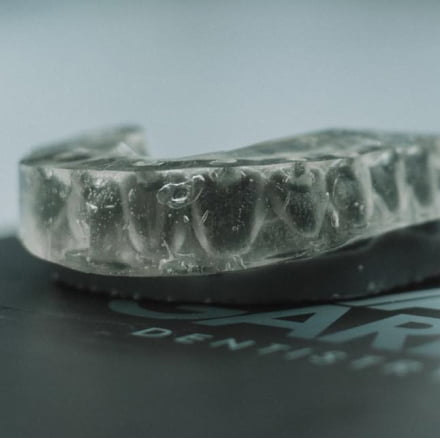
Custom trays are made to fit your teeth and hold dentist-supplied whitening gel in place. Unlike a standard strip, a fitted tray is shaped around your dental surfaces. This can help cover areas strips may miss and reduce uneven whitening. The gel and tray form part of a dentist-led home whitening treatment.
The process starts with an oral health assessment, because healthy teeth and gums matter before whitening. A dental appointment may include a digital scan to create trays suited to your mouth. The dentist then provides personalised instructions, explains the treatment schedule and offers supervision and aftercare support. These steps distinguish custom trays from generic products used without an individual assessment.
At home, dentist-supplied trays are generally worn for several hours a day or overnight, over one or two weeks. Follow the schedule given for your treatment rather than extending wear in pursuit of faster results. Apply the whitening gel as instructed, seat the tray carefully and remove it according to the guidance provided.
Fit affects how evenly gel meets the teeth. A loose or poorly positioned tray may allow gel to spread onto the gums, while a custom fit is designed to sit around your teeth. If gel reaches the gumline, follow the dentist’s instructions for removing it. Careful placement helps keep application controlled.
Tooth sensitivity can occur during whitening, including with dentist-supplied gel. Notice when discomfort starts and whether it follows a particular wear session. Share that detail with the dentist supervising your treatment rather than changing the gel or wear schedule yourself. Personalised instructions give you a clear reference for using the trays and responding to discomfort.
Custom trays also make the home routine more structured. Keep the trays clean as instructed, store them safely between sessions and use only the gel supplied for your treatment. Don’t substitute another whitening product in the trays. The dentist’s guidance connects the gel, tray fit and wear schedule to your oral health assessment.
Compared with strips, trays are designed specifically for your teeth, while strips come in a standard shape. That distinction matters if some tooth surfaces are harder to reach or you want a dentist-guided routine. Strips may lift surface stains, but custom trays offer broader coverage that can help reduce patchy results.
Before starting, make sure you understand the sequence: attend the assessment, receive your custom trays and instructions, then follow the prescribed home schedule. Contact the supervising dentist if the trays feel uncomfortable or sensitivity develops. This keeps treatment aligned with your oral health and avoids improvising with gel or wear time.
Whitening strips are flexible strips coated with peroxide-based gel, placed against the front surfaces of the teeth. The gel contains hydrogen peroxide or carbamide peroxide, active ingredients also used in professional whitening at lower strengths.
To use strips safely, follow the product instructions for placement, application time and frequency. Most are worn for around 30 minutes daily; don’t exceed the stated time or repeat applications more often than directed.
The peroxide works on stains in natural tooth enamel, helping teeth appear brighter over repeated applications. Strips are usually used once or twice daily for one or two weeks, depending on the product. This gradual routine differs from a clinic appointment, where whitening results may be visible within an hour.
Follow each step carefully:
Placement matters. A strip that sits unevenly may miss parts of a tooth, while gel touching the gums can cause irritation. If you notice gum irritation or tooth sensitivity, stop using the strips and seek dental advice before trying them again. Using strips too often can increase discomfort.
Strips can lift some surface stains, including discolouration linked to tea or coffee. Results are often subtler than with professional whitening, and strips may lighten teeth by one or two shades. They don’t change the colour of crowns, fillings or veneers, so existing dental work may look different beside newly whitened teeth.
This method is most suited to someone seeking a gradual change at home and able to follow instructions consistently. Results can vary with the type of staining and how evenly the strips contact the teeth. Staining from natural ageing may respond differently from marks caused by medication or previous dental trauma.
Whitening strips are a lower-cost-at-the-counter option, but their effect may last from a few weeks to months. They may need more regular use than professional whitening to maintain the change. If you want a brighter smile with treatment tailored to your teeth, book a teeth-whitening appointment to discuss a dentist-supervised approach.
Khan Dental offers Teeth Whitening for people considering a dentist-led approach to stained natural teeth. A dental assessment helps establish whether whitening is suitable and whether existing crowns, fillings or veneers may affect the overall appearance, since whitening does not change their colour.
If your goal involves more than tooth shade, Invisalign® aligners may address alignment, while Porcelain Veneers or Dental Crowns may be relevant to other aesthetic or restorative concerns. These treatments serve different purposes, so start by discussing the change you hope to make and your oral health.
For a considered next step, contact Khan Dental to discuss your smile goals and treatment options.
Choosing professional teeth whitening vs strips is only one part of deciding what will help you feel confident about your smile. Consider the change you want to see, whether that’s a brighter natural tooth shade or a broader transformation, and make that goal the starting point for your next conversation.
Khan Dental offers Teeth Whitening, alongside Invisalign® aligners and Porcelain Veneers for different smile goals. A discussion can help you explore which approach aligns with your teeth, existing dental work and priorities, without treating every concern as a whitening issue.
Take time to decide what feels right, then bring your questions and expectations to a dental appointment. Clear advice can make the path forward feel more considered and personal.
Contact Khan Dental to discuss your smile goals and explore your options. A thoughtful first step can bring your ideal smile closer.
Home whitening kits can be useful for modest changes to surface stains, provided you follow their instructions. Strips suit people who can keep to a regular routine, while dentist-supplied trays offer a custom fit and professional guidance. Before choosing a kit, check whether your concern is natural tooth colour or a visible filling or crown, as whitening gel changes natural teeth only.
No. The cause of discolouration affects how teeth respond. Professional whitening works well on many stains from food, drinks and natural ageing, but staining linked to certain medicines or previous dental trauma can respond differently. Tell the dentist when and how the colour change began, if known. That context helps shape realistic expectations and identify whether whitening addresses the concern.
Professional whitening results are stated to last from six months to two years, depending on lifestyle factors. Tea, coffee, red wine, strongly coloured foods and smoking can contribute to staining; oral hygiene also matters. For example, frequent coffee drinking can affect how long a brighter shade lasts. Maintenance routines and occasional top-ups can help manage colour changes over time.
Choose according to your preferred routine, the type of stain and the level of guidance you want. Strips involve repeated home applications; professional whitening begins with an assessment and can use clinic treatment or dentist-supplied trays. If you have tooth pain, gum concerns or existing dental work, include those details in your decision rather than choosing a product based on convenience alone.
Whitening gel changes natural tooth colour, not the colour of fillings, crowns or veneers. As a result, a restoration can look different beside whitened teeth. If a crown is visible near the front of your smile, discuss its shade before starting treatment. Mention implants during the dental assessment too, so the dentist can consider your overall smile and explain what whitening can affect.
Value depends on what you want from treatment, not simply the initial purchase. Consider how noticeable a change you seek, the time required for repeated home applications, and whether you value a dental assessment and tailored guidance. Strips can suit a gradual home routine; professional whitening offers a supervised approach. Include maintenance and how evenly the method reaches your teeth in your comparison.
Professional whitening generally produces a more noticeable change than strips, particularly for deeper staining. Strips can lighten teeth by one or two shades, while professional treatment can lighten teeth by several shades in one session. Results vary with stain type and oral health. Neither approach changes restorations, so the visible outcome also depends on whether natural teeth sit beside crowns, fillings or veneers.
Professional whitening offers a dental assessment, dentist supervision and a choice of in-clinic treatment or custom take-home trays. Strips are an over-the-counter method used at home on a set schedule. This distinction matters if you want guidance on stain causes or even coverage. For readers in Liverpool, discussing the expected result and your existing dental work can help clarify which method fits your smile goals.
Back to Blogs

Schedule a consultation to begin your smile transformation. Our team will assess your needs and create a personalised plan just for you.
Call Us 0151 724 1888
Book a Consultation