The safest teeth whitening options in the UK are dentist-prescribed home kits or treatment at a dental surgery. Over-the-counter whitening products are permitted to contain up to 0.1% peroxide, according to UK legislation, while dentist-prescribed whitening can use up to 6% hydrogen peroxide. A dental professional should assess your teeth and gums before treatment.
It’s understandable to want a brighter smile while being cautious about sensitivity, irritated gums or products that may not suit your teeth. The right approach depends on your oral health, the type of staining and whether you have fillings, crowns or veneers, which whitening will not lighten.
This guide compares whitening methods and kit strengths in the UK and US, explains common side effects and what to do if discomfort occurs, and outlines where to seek treatment safely. You’ll come away with a clearer sense of which options may suit your goals and when professional dental care is the safer next step.
Safe teeth whitening options depend on whether stains are on the surface or within a tooth. A dentist checks your teeth and gums because your oral health affects which treatments may be suitable.
Extrinsic stains form on the tooth surface, often from coffee or tea; intrinsic discolouration develops within the tooth. This distinction matters because cleaning can lift surface deposits, while whitening changes the colour of natural teeth. A dentist assesses enamel, gum health, existing dental work and the likely cause of darkening before recommending an approach. Whitening won’t change crowns, fillings, composite bonding or veneers, so these may look different afterwards. According to the General Dental Council, teeth whitening is not done in the UK for people aged 17 years or younger.
A hygienist cleaning can remove surface deposits, such as staining from coffee, in an appointment that may take 40 minutes. It doesn’t change intrinsic tooth colour. At-home whitening formulas can help with surface stains, while whitening toothpastes and strips don’t change the intrinsic colour of teeth. Dentist-prescribed home kits usually involve wearing trays for 2 to 6 weeks. Results can last around 3 years if you follow your dentist’s advice, according to the NHS.
How much does professional teeth whitening cost in the UK? The price depends on your case and is provided after a quote request. The treatment type, assessment and whether care takes place at home or in surgery can affect the quote.
Who should avoid whitening? Whitening isn’t recommended during pregnancy or breastfeeding. People with periodontal disease or very sensitive teeth may also need to avoid it because treatment can worsen sensitivity or irritate tender gums. A dentist should check that your teeth and gums are healthy before whitening. Crowns, dentures and implants won’t lighten, because whitening changes only the colour of natural teeth.
Peroxide strengths differ across markets: UK over-the-counter limits are lower than the strengths used in dentist-prescribed whitening. The label matters, but so does knowing who can prescribe and provide treatment.
Choosing a whitening product means matching its peroxide type and strength to the treatment route. Hydrogen peroxide and carbamide peroxide are bleaching agents, but their percentages aren’t directly interchangeable. In the UK, dentist-prescribed whitening can use up to 6% hydrogen peroxide, equivalent to 16% carbamide peroxide. Those figures help explain why a dentist-prescribed treatment differs from a standard counter product.
Online listings can make whitening strips and kits appear comparable, yet the stated ingredient and concentration matter. UK over-the-counter teeth whitening products are permitted to contain up to 0.1% peroxide, according to UK legislation. An online listing doesn’t change that UK limit. US over-the-counter kits can contain hydrogen peroxide at concentrations up to six per cent or more, so a product intended for the US market may have a different strength from one permitted for UK sale.
Peroxide bleaching helps break down compounds that cause tooth discolouration. The concentration and the time the product stays in contact with your teeth affect treatment. Follow the product instructions rather than assuming a stronger formula is more suitable. Drinks such as coffee can contribute to surface stains, but peroxide strength alone doesn’t reveal why a tooth has darkened.
In the UK, teeth whitening is legally a form of dentistry and can only be prescribed by a dentist. A dental hygienist or dental therapist may carry it out only when a dentist has prescribed it. This matters for online kits: a product’s availability or advertised strength doesn’t replace the required dental prescription for higher-strength whitening.
For a professional assessment of whitening, teeth whitening treatment can be discussed in the context of your teeth and gums. Understanding the UK limit, the product’s peroxide type and the provider’s role helps you compare options more clearly.

Whitening strips and gels can cause temporary sensitivity or irritation, especially if the product reaches your gums. Mild-to-moderate sensitivity can affect up to two-thirds of people during the early stages of bleaching.
With strip or tray treatments, sensitivity may begin two to three days after treatment starts and usually resolves by the fourth day. Teeth may also feel sensitive to cold or sweet food and drink. Gum effects can include soreness or temporary white patches, and a sore throat can occur too.
Are whitening strips, gels, LED kits and whitening toothpaste safe and effective? Their effects depend on the ingredients, how they’re used and whether they’re suitable for your teeth. Whitening products may help reduce some surface staining, though their effects can vary. An LED label alone doesn’t establish a kit’s safety or effectiveness.
Whitening toothpaste and mouthwash are intended for regular home use, but check the ingredients and instructions rather than assuming they’ll remove deeper discolouration. Coffee and red wine can leave surface stains, while whitening products may not address colour changes within a tooth. A dentist can help identify the cause before treatment.
If discomfort develops during at-home whitening, stop immediately and remove any gel or product residue. Speak with your dentist, particularly if sensitivity persists or your gums remain sore. Sensitivity and gum whitening usually disappear a few days after stopping treatment.
During in-chair whitening, tell the dentist immediately if you feel sensitivity or burning in your gums. People with periodontal disease or very sensitive teeth may need to avoid whitening, as treatment can increase sensitivity and irritate tender gums. Follow the product instructions and respond promptly to discomfort to help limit avoidable irritation.
In the UK, the safest route is dentist-prescribed whitening at home or treatment at a dental surgery. A dentist assesses your oral health first, helping identify issues that could make whitening unsuitable or increase discomfort.
Is professional teeth whitening safer than home whitening kits? Dentist-led treatment includes an assessment of your teeth and gums, and prescribed home kits are used following that assessment. An over-the-counter kit doesn’t provide the same individual dental check before use.
Teeth whitening is legally a form of dentistry in the UK and can only be prescribed by a dentist. A dental hygienist or dental therapist can carry it out only when a dentist has prescribed it. The person applying treatment and the person prescribing it may differ, but the prescription must come from a dentist.
Before whitening, a dentist checks that your teeth and gums are healthy. Active gum problems, tooth decay or existing sensitivity can affect whether treatment is appropriate. Mention any pain when drinking something cold, bleeding gums or chipped teeth, as these details can change the assessment and the safest next step.
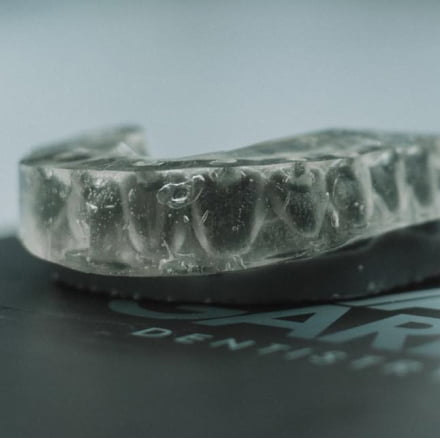
A dentist-prescribed home kit and in-surgery treatment offer different approaches. Home whitening follows the dentist’s assessment and product instructions over a course of treatment. In-surgery whitening takes place under dental supervision, so you can tell the dentist immediately if you notice sensitivity or burning gums. Neither method changes the colour of crowns, fillings or veneers.
Check that a dentist has prescribed the whitening, rather than relying on a kit’s online description or promise of a brighter smile. If the product’s strength or instructions are unclear, don’t use it until you understand how to apply it. Stop home whitening and remove any residue if discomfort occurs, then speak with your dentist.
For a dentist-led assessment and advice about treatment, discuss professional teeth whitening. A careful review of oral health, sensitivity and existing dental work helps guide the choice between home and in-surgery whitening.
Khan Dental provides professional teeth whitening for people seeking a brighter, more even-looking smile. A dentist can consider your oral health and existing dental work when discussing whether whitening suits your needs.
If your goals extend beyond tooth colour, Invisalign® aligners may help address alignment, while Porcelain Veneers or dental crowns address other aspects of a smile. Whitening only changes natural tooth colour, so crowns and other restorations may not brighten alongside your teeth. Understanding this distinction can help you decide which concern to discuss first.
For a considered conversation about professional whitening or your wider smile goals, contact Khan Dental in Liverpool.
A brighter smile is most rewarding when it still feels like your own. Rather than focusing only on shade, consider what you’d like to change and how that fits your wider smile goals. The safe teeth whitening options that suit you depend on your oral health and the result you hope to achieve.
Khan Dental offers professional teeth whitening, alongside Porcelain Veneers and Invisalign® aligners for different aesthetic goals. A conversation about what matters to you can help clarify the possibilities without rushing towards a treatment that doesn’t match your priorities.
If you’re ready to explore a brighter smile, contact Khan Dental about whitening. Take the next step at your own pace, with a clearer understanding of the choices available to you.
Tooth whitening is a bleaching process that lightens the colour of natural teeth. It uses an active ingredient to break down compounds responsible for discolouration, rather than simply brushing away plaque. For example, a dentist may assess whether a yellowed tooth has surface staining or a deeper colour change, because the cause affects what whitening can achieve.
Whitening can make natural teeth appear brighter and reduce the visible effect of discolouration. For someone who feels self-conscious about their smile in photographs or at work, a more even-looking tooth colour may feel like a welcome aesthetic change. Whitening doesn’t treat decay or improve gum health, so it is a cosmetic treatment, not a substitute for routine dental care.
Possible effects include sensitivity to cold or sweet food and drink, sore gums, a sore throat or temporary white patches on the gums. If discomfort develops during home treatment, stop and remove any remaining product, then speak with a dentist. Avoid applying more whitening gel to sore areas. Existing gum problems or pronounced sensitivity can make treatment less suitable.
Vital bleaching lightens a tooth that remains alive, rather than treating a tooth that has lost its vitality. A dentist first considers the tooth’s condition and the reason for its colour change, then discusses an appropriate whitening approach. This differs from internal bleaching, which may be considered for a discoloured non-vital tooth, including one treated with root canal therapy after trauma.
Among the safe teeth whitening options, dentist-prescribed home kits and whitening at a dental surgery offer professionally guided routes. The choice depends on oral health, stain type and the treatment plan. Whitening toothpaste and strips may help with some surface staining, though they may not change the underlying colour of a tooth. A dental assessment helps clarify which result is realistic for your smile.
UK over-the-counter teeth whitening products are permitted to contain up to 0.1% peroxide, according to UK legislation. Dentist-prescribed whitening can use up to 6% hydrogen peroxide, with 16% carbamide peroxide equivalent to that strength. These limits apply to different treatment routes, so check whether a product is intended for over-the-counter use or prescribed by a dentist.
Back to Blogs

Schedule a consultation to begin your smile transformation. Our team will assess your needs and create a personalised plan just for you.
Call Us 0151 724 1888
Book a Consultation