A well-cared-for dental crown can last 10 to 15 years or longer, but age alone doesn’t mean it needs replacing. Signs you need a new dental crown can include persistent pain or sensitivity, a crown that feels loose or damaged, or a dark line around its edge. These changes deserve attention, even if the crown has been comfortable for years.
It’s understandable to wonder whether a change is merely cosmetic or a sign that your tooth needs attention. A dark margin, for example, can have several causes, while pain or swelling may point to a problem beneath the crown.
This guide explains how long crowns may last, which symptoms and changes at the margin matter, and how a dental assessment can show whether replacement is needed. You’ll learn what to look for and how to approach your next step with confidence.
Persistent discomfort in a crowned tooth deserves attention, especially if it keeps returning. Sensitivity to hot tea or cold water may be linked to decay beneath the crown or a crack in it. Cold sensitivity that lasts more than a few seconds in a previously comfortable tooth warrants assessment. Pain or lingering sensitivity can be signs you need a new dental crown, but an examination is needed to identify the cause.
Note what triggers the discomfort and how long it lasts. Pain when biting into toast, for example, differs from a brief response to a cold drink. Pain under pressure can occur with a cracked tooth, while a changed bite may put uneven force on the crown. Sharing these details helps the dentist focus the examination and determine whether the crown or supporting tooth needs treatment.
Swelling or tenderness around the gum is another reason to arrange an appointment. A damaged or poorly fitting crown can allow bacteria to reach the supporting tooth, contributing to decay or infection. The dentist may tap the tooth to check for pain and use a periapical X-ray to examine the root tip for signs of infection or bone loss. A loose crown also needs prompt assessment because food and bacteria can enter the gap.
If you notice signs you need a new dental crown, note possible triggers, such as chewing or temperature changes, before your visit. Brush twice daily with fluoride toothpaste and clean between your teeth every day to support gum health around the crown. These habits help protect the natural tooth, but persistent pain, swelling or sensitivity still calls for a dental assessment, not home care alone.
A dental crown is a tooth-coloured cap that covers the tooth, restoring its shape and helping protect weakened structure. Unlike a filling, which repairs one area, a crown covers the tooth and can spread biting forces across it. Dentists may recommend one for a cracked tooth, a large filling, or a tooth weakened by repeated treatment. After root canal treatment, a crown can help protect the treated tooth from breaking under everyday pressure.
A crack can be hard to see. Clues include pain when biting, a visible fracture line or repeated pain while chewing. A crack may extend beneath the surface even when the tooth looks intact. A dentist can examine the tooth and existing restoration to assess the damage and whether the tooth can support a crown. If fillings or bonding no longer stay in place, a crown may provide fuller protection.
A chipped crown may be repairable if the damage is superficial. A serious fracture, or a crown that is loose and cannot be reliably recemented, may require replacement. Arrange prompt assessment for a loose crown, as the opening can let food and bacteria reach the tooth underneath. Don’t try to glue it back yourself: both the crown’s fit and the tooth’s condition need professional assessment.
So, can a loose or cracked crown be repaired, or does it need replacing? A dentist may repair a minor chip, while significant breakage or an unreliable fit can call for a new crown. Crowns may last 10 to 15 years or longer, but damage can mean action is needed sooner. If you notice a new crack, missing fragment, movement or sharp edge, arrange an assessment and avoid chewing hard foods on that side until then.
A dark line where a crown meets the gum can affect your smile’s appearance, but colour alone doesn’t confirm that replacement is needed. With a porcelain-fused-to-metal crown, a dark edge may appear if the porcelain chips or wears away, exposing the material beneath. Gum recession can also reveal a gap near the margin. These causes can look similar in the mirror but need different assessments.
Notice whether the line is new, widening or accompanied by a change in the gum. At an appointment, the dentist can examine the crown edge and surrounding gum for gaps, roughness or signs of decay. Decay can form at the margin or beneath a crown, where it may not be visible to the naked eye. Dental X-rays can help reveal changes hidden from view.
Colour and shape also affect the appearance of a restoration. A crown may be recommended for a tooth with extreme discolouration or an unusual shape, particularly when its condition calls for full coverage. A dark margin on an existing crown, however, doesn’t automatically mean a new crown is the right solution. The dentist considers the crown’s fit, the tooth beneath it and the health of the gum.
Pay attention to function as well as appearance. Discomfort when biting or chewing can occur if a crown sits too high or its contact with neighbouring teeth has changed. Grinding can put extra force on the bite and affect the crown’s wear. If you notice a dark edge alongside new biting discomfort, mention both at your appointment so the dentist can assess the margin and bite together. Discuss a sudden change in appearance, but seek prompt attention for pain, swelling or a loose crown rather than waiting for a routine visit.

A well-cared-for crown may remain in excellent condition for 10 to 15 years or longer. That lifespan is a guide, not an automatic replacement date. Age alone isn’t a reason to replace a crown; its fit, function and condition matter more. How a crown wears can vary depending on how it is cared for and the forces placed on it.
Your gums can offer useful clues. Tenderness, swelling or recession near the crown may point to gum disease, a gap or changes at the margin. The crown itself cannot decay, but the natural tooth beneath it can. Bacteria may collect where the crown meets the tooth, allowing decay to develop out of sight. A dentist can examine the margin for gaps or roughness and use X-rays to look for hidden decay.
A change in appearance doesn’t always mean replacement is necessary. A crown may look darker as nearby teeth change colour, or a small surface mark may affect its appearance without affecting its function. By contrast, decay at the margin, a significant fracture or a crown that cannot be reliably recemented may warrant replacement. The dentist assesses the crown and supporting tooth together.
A changed bite also deserves attention. If your teeth meet differently or a crown feels high when you close your mouth, uneven pressure may be affecting it. Grinding can wear a crown and alter its surface. During regular check-ups, a dentist can assess the margin, bite and signs of wear, rather than relying on appearance alone.
A crown fitted under NHS treatment has a 12-month guarantee. If it fails within a year of fitting, it will be repaired or replaced without additional charge; the current NHS charge for treatment depends on the applicable charge band. For a tailored assessment of crown fit, margin and bite, arrange a dental crown assessment.
Khan Dental provides dental crowns for patients whose existing crown is damaged, loose or no longer comfortable, and for teeth that need protection. If you’ve noticed a change in your crown’s fit, appearance or feel, a dental assessment can help establish whether replacement is appropriate or another approach better suits the tooth.
A crown should support everyday function and a natural-looking smile. The underlying tooth, the crown’s margin and your bite all matter when deciding what to do next. If you’re concerned about a crown or a tooth that may need this restoration, contact Khan Dental to discuss your concerns and arrange an assessment.
If you’ve noticed signs you need a new dental crown, an assessment can turn uncertainty into a considered plan. Describe what has changed, such as how the tooth feels when you chew or how its appearance has shifted. These details help focus the conversation on your priorities and the result you hope to achieve.
Your concerns may extend beyond one tooth. If you’re also considering a wider smile refresh, Khan Dental offers Invisalign, porcelain veneers and teeth whitening. The right focus depends on what you want to change and the condition of your teeth, so start with the issue that matters most to you.
A calm, informed conversation is a practical first step towards feeling comfortable with your smile again. Contact Khan Dental to discuss your concerns and take that step at your own pace.
A crown can remain serviceable for 10 to 15 years or longer, but that isn’t a fixed expiry date. Its condition, fit and function help determine whether it still protects the tooth effectively. A crown that is younger may need attention after damage, while an older one may remain usable. Regular examinations help track changes over time rather than relying on age alone.
Have your crown assessed during regular dental check-ups, commonly recommended every six months. These appointments allow the dentist to monitor its fit, the surrounding gum and your bite, and compare any changes with earlier examinations. If discomfort or looseness develops between visits, arrange an assessment rather than waiting for your next routine check-up. This can help identify a developing issue before it becomes harder to manage.
Delay can give bacteria more opportunity to reach the tooth through a damaged or loose crown, contributing to decay or infection. The tooth beneath the crown may then need further treatment, particularly if the problem reaches the root. For example, a crown that shifts while you chew can leave an opening where food debris collects. Seek an assessment if the crown becomes loose or damaged.
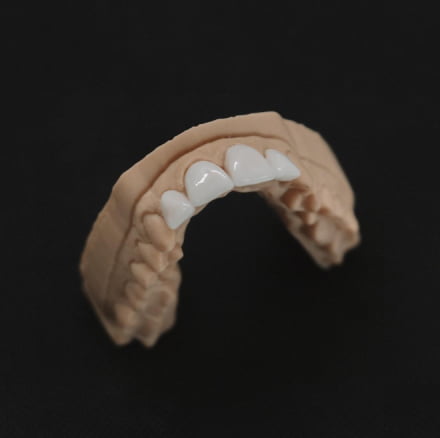
A dental crown is a tooth-shaped cap placed over a tooth to restore its shape, protect it and improve its appearance. It covers the tooth rather than repairing only a small area, as a filling does. A dentist may recommend one when a tooth has substantial damage or has lost strength after treatment. The crown is shaped to fit your bite.
A crown can help a weakened tooth withstand everyday biting forces and preserve its function. This protection may be particularly relevant after root canal treatment, when the remaining tooth can be more vulnerable to fracture. Covering a compromised tooth, for example, can help prevent a crack from worsening under chewing pressure. The dentist considers the remaining tooth structure when deciding whether a crown is suitable.
Possible warning signs include persistent discomfort, a crown that moves, a visible crack or a new gap where it meets the gum. A changed bite or tenderness around the tooth can also signal a problem. A dark edge alone doesn’t prove replacement is needed, but a dentist can examine the margin and underlying tooth. Arrange an assessment if changes appear or symptoms persist.
Back to Blogs

Schedule a consultation to begin your smile transformation. Our team will assess your needs and create a personalised plan just for you.
Call Us 0151 724 1888
Book a Consultation