The best smile makeover for professionals may involve less change than you expect. Choosing between whitening, bonding, veneers or Invisalign can feel daunting when you want a natural-looking result rather than a smile that feels too noticeable. With a busy working life, it also makes sense to consider how treatment might fit around your commitments. A smile makeover for professionals should reflect your priorities, oral health and everyday routine, not follow a one-size-fits-all formula.
The right approach starts with what you’d like to change and a discussion about which options may be suitable. In this guide, you’ll compare common treatments, consider what can contribute to a subtle result and find practical questions to ask about planning. You’ll also learn what to discuss when exploring options with Khan Dental, a private cosmetic dental clinic in Liverpool.
Feeling at ease in a meeting, presentation or everyday conversation can matter as much as how your smile looks in a photograph. If you find yourself holding back a smile or noticing a particular feature when you speak, it’s reasonable to want to understand your options. A smile makeover for professionals should start with what matters to you, not an assumption that you need a dramatic change.
A smile makeover is a personalised plan that may bring together suitable dental treatments to address your concerns. It isn’t one fixed procedure or a promise of a particular result. The right plan depends on your oral health, a clinical assessment and your preferences. Cosmetic dentistry covers a range of procedures, but a treatment’s inclusion in that field doesn’t automatically make it appropriate for everyone.
Start by naming the feature you’d like to discuss: perhaps the colour of your teeth, their alignment, a chipped edge or the appearance of older dental work. You don’t need to know which procedure would address it. That’s a separate clinical question. Some people want a subtle adjustment that helps them feel more comfortable at work, rather than a striking transformation.
It may help to notice when the concern comes to mind. Is it during video calls, when speaking with clients or in day-to-day conversations? This can help you explain your priorities at an appointment without turning one concern into a list of treatments you think you must have.
“Natural-looking” means different things to different people. For one person, it may mean preserving familiar features; for another, it may mean addressing a visible chip without changing the rest of their smile. These are preferences to discuss, not outcomes anyone can guarantee. If you’re worried that dental work could feel too noticeable or leave you self-conscious, say so.
An individual assessment helps a dental professional consider your oral health and whether particular options may be suitable, then explain what they could realistically address. A concern about colour or alignment doesn’t, by itself, determine the right treatment. Ask what a proposed change involves, what alternatives may be appropriate and what expectations to have before deciding. Take time to ask questions and consider the options at your own pace.
Different concerns call for different conversations. A smile makeover for professionals might involve one treatment or a combination, but appearance alone doesn’t determine what’s suitable. Use the comparison below to prepare questions for an individual assessment.
| Concern to discuss | Treatment category | Consultation considerations | Questions to ask |
|---|---|---|---|
| Alignment concerns | Invisalign | An orthodontic option to discuss if clear aligners may be appropriate for your teeth and circumstances. | Am I suitable? What stages and review appointments might be involved? |
| Tooth colour | Professional teeth whitening | Whitening changes tooth colour. Ask whether it may address your concern and what to expect in your individual case. | Is whitening suitable for me? How might existing dental work affect the plan? |
| A chipped edge or small shape concern | Composite bonding | Bonding may be discussed for specific changes to tooth shape or appearance; suitability depends on assessment. | What could bonding address, and what care might it need? |
| Shape or appearance concerns | Porcelain veneers | Veneers cover the front surface of a tooth. The American Dental Association’s overview of dental veneers can help you understand the category, but a clinician can advise on your circumstances. | What would veneers involve for me? Are there other suitable options? |
| A tooth needing restorative attention | Dental crown | A crown may be relevant if a restorative assessment indicates it is appropriate, rather than simply as an aesthetic choice. | What is the clinical reason for considering a crown? |
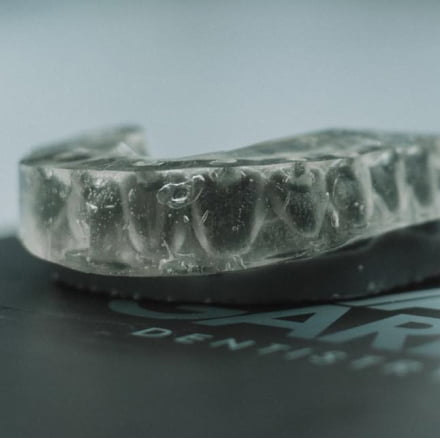
If alignment is a concern, ask whether Invisalign could be suitable after an assessment. Discuss the stages involved, how review appointments are handled and what responsibilities you’d have during treatment. Don’t assume a standard timeline: the plan and timescales depend on your individual case. Khan Dental’s Invisalign Liverpool information may be a starting point for exploring the option.
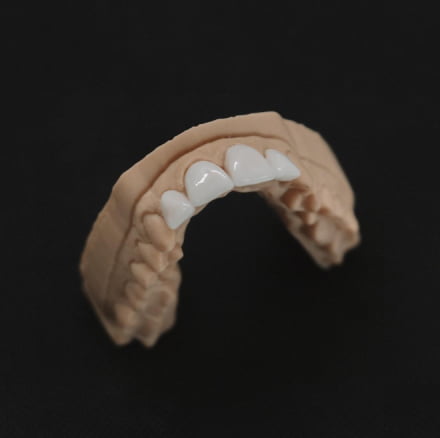
Whitening changes tooth colour; bonding and veneers are different approaches to changing aspects of tooth shape or appearance. They aren’t interchangeable, and one may be more appropriate than another depending on your teeth, oral health and goals. For focused background, explore Khan Dental’s Porcelain Veneers Liverpool, Composite Bonding Liverpool and Professional Teeth Whitening Liverpool guides, then ask a dental professional which options, if any, may suit you.
To discuss your own priorities, you can discuss your smile makeover options with Khan Dental. An assessment can help connect your concerns to appropriate choices without assuming every treatment belongs in your plan.
A professional smile makeover shouldn’t be selected on appearance goals alone. The option that sounds most appealing may not best suit your oral health, the change you want or your comfort with treatment. A sound decision weighs these factors together, with a dental professional’s assessment guiding what may be appropriate.
Treatment choice depends on your oral health, personal goals and an individual clinical assessment. Benefits and limitations vary between treatments and between people. No procedure should be viewed as risk-free or as a permanent solution without ongoing considerations.
Use this as a comparison framework, not a verdict on any treatment. Ask your dental professional to explain the expected benefits and limitations of each suitable option, including what happens if your priorities or circumstances change.
Ask what each option is intended to address and what it cannot change. Discuss maintenance, possible limitations and any recommended follow-up. If a plan includes unfamiliar terms, ask for an explanation in plain language. You should understand what is being proposed and why before weighing it against alternatives.
If you’ve seen examples that appeal to you, bring them to explain your preferences, not as a promise of the same result. Be specific about the shape, colour and degree of change you’re comfortable with. If visible dental work worries you, say so. Your preferences can inform the conversation, while an assessment helps establish what may be suitable.
Workplace confidence can be one reason to explore options, but it doesn’t need to set the standard for how your smile should look. Walden University discusses how smiling may influence social impressions, including whether someone is perceived as more trustworthy. That context isn’t a promise about cosmetic treatment or professional outcomes; your own comfort and goals matter most.
Take time to consider what you’ve learned. Elective treatment is a personal decision, and you can ask further questions or pause before choosing. Feeling clear about the plan is part of choosing well.

A considered smile makeover for professionals should account for more than the treatment itself. Work travel, major presentations and important personal events may affect when you’d prefer to begin and how you plan appointments. Treatment needs and timescales vary according to the proposed approach and your circumstances, so ask your clinician what your plan may involve rather than relying on a general estimate.
Use this four-step sequence to bring structure to the decision:
A short written list can help you make the most of the conversation. Include the concerns you want to address, the kind of change you’d feel comfortable with, questions you don’t want to forget, and any relevant dental history or symptoms. Mention upcoming work travel or significant events, too. Raising scheduling constraints early gives you and the clinician a chance to discuss how they relate to the options being considered.
Ask for a clear explanation of the proposed steps, expected review points and possible alternatives. Find out how many visits may be needed and what timelines are anticipated for your specific plan. Appointment needs can differ by treatment and person, so confirm these details rather than assuming a quick result or a particular schedule.
Consultation checklist:
Your clinician should explain relevant risks and limitations in a way you understand. If anything remains unclear, ask for another explanation before deciding. To discuss your goals and scheduling considerations, arrange a smile makeover consultation with Khan Dental.
If you’re considering a smile makeover for professionals, the next step needn’t be choosing a procedure. It can simply be a conversation about what you’d like to change, what feels comfortable and how dental care might fit alongside your working life. Khan Dental is a private cosmetic dentistry clinic in Liverpool, led by Dr Khan. Its treatment options include Invisalign, porcelain and 3D veneers, composite bonding, professional teeth whitening, crowns and smile makeovers.
These options aren’t a ready-made formula. Whether any could be suitable for you depends on an individual assessment, including consideration of your oral health and the concerns you want to address. A discussion can help connect your priorities with possible next steps, without assuming a particular treatment is right before you’ve been assessed.
You can explain what you’ve noticed, the kind of change you’re hoping for and anything you’d prefer to avoid. Share relevant dental history, current symptoms and practical constraints, such as work commitments or travel, so they can be part of the conversation. You don’t need to arrive with a fixed procedure in mind.
Dr Khan can discuss which options may be appropriate to explore and outline their limitations. Ask how a proposed approach relates to your goals, what alternatives may be available and what further assessment is needed. The aim is to leave with a clearer understanding of the choices, not a promise of a particular result or timeframe.
Before getting in touch, note down the questions you’d like answered. You might ask what an assessment involves, which treatment categories could be considered for your concern and how practical factors can be discussed as part of planning. If something is unclear, it’s reasonable to ask for a simpler explanation or take time to think before making a decision.
Exploring a smile makeover should feel considered, not rushed. A private consultation is an opportunity to discuss your priorities and understand possible next steps; it doesn’t mean you have to commit to treatment. Contact Khan Dental in Liverpool to ask about arranging a private consultation and begin a conversation about options that may suit your needs.
A thoughtful smile makeover for professionals starts with your priorities, not a preselected procedure. Consider what you’d like to change, then compare suitable options by their purpose, limitations and how they may fit around your working life. An individual assessment matters: your oral health and circumstances help shape which treatments may be appropriate.
Khan Dental is a private cosmetic and restorative dental clinic in Liverpool, owned and led by Dr Khan. Options include Invisalign, veneers, composite bonding and professional teeth whitening, with suitability discussed individually. An initial conversation can help you explain your goals, ask about practical considerations and understand possible next steps before choosing a treatment.
To explore your options, contact Khan Dental about a smile makeover. You can begin with questions, consider the answers and decide what feels right for you.
A smile makeover for professionals is a personalised plan that may combine suitable dental treatments to address individual concerns, such as tooth colour, alignment or chipped teeth. It isn’t a single procedure or a standard package, and it shouldn’t be chosen on appearance alone. An assessment helps a dentist consider oral health, personal goals and practical needs before discussing options, limitations and possible next steps.
Depending on your concerns and clinical suitability, a plan may combine options such as Invisalign, veneers, composite bonding or professional teeth whitening. For instance, a dentist might discuss alignment alongside a change in tooth colour, but the right sequence and combination depend on individual assessment. These treatments have different purposes and aren’t automatically suitable together. Ask what each option could address, what it can’t, and whether combining treatments is appropriate for you.
Possibly, but the time and appointments involved depend on the treatments proposed and your individual circumstances. Ask how many visits may be needed, what review appointments could involve and whether work travel or important events affect planning. Don’t assume a particular treatment will be quick or fit a specific timetable. A discussion with your dentist can help you understand the proposed steps before you decide whether they work with your schedule.
Explain what “natural” means to you. You might prefer a subtle change, want to preserve familiar features or have particular preferences about tooth shape and colour. Examples can help communicate your taste, but they can’t guarantee an identical result. An assessment helps the dentist discuss which options may suit your oral health and goals, along with their limitations. Share any concern about treatment feeling too visible or making you self-conscious.
Invisalign may be worth discussing if alignment is one of your concerns, but an assessment is needed to determine whether clear aligners are suitable for your teeth and circumstances. Ask about the proposed stages, review appointments and your responsibilities during treatment. The plan and timescales are individual, so avoid relying on a standard duration. A dental professional can explain whether this orthodontic option could form part of your wider smile makeover plan.
A consultation is an opportunity to describe what you’d like to change, share relevant dental history and discuss any current symptoms or scheduling constraints. The dentist can assess your oral health and explain options that may be appropriate, including their limitations and possible next steps. Bring a written list of questions if helpful. You can ask for clarification, consider the information afterwards and decide in your own time whether to proceed.
You can research treatments and note which ones interest you, but it’s best not to settle on a procedure before an assessment. A concern about colour, shape or alignment doesn’t by itself determine the right approach. Individual clinical advice helps establish suitability and explain alternatives. Khan Dental is a private clinic in Liverpool, serving patients from the Wirral, Manchester, Altrincham, Wilmslow, Knutsford, Hale, Southport, Ormskirk and Formby. Treatment suitability is assessed individually.
Back to Blogs

Schedule a consultation to begin your smile transformation. Our team will assess your needs and create a personalised plan just for you.
Call Us 0151 724 1888
Book a Consultation