Temporary veneers falling off can happen because they’re attached with lighter bonding material, which allows them to be removed later without harming the tooth. Biting hard foods, grinding or clenching, wear, trauma and bonding issues can all loosen one. If yours falls off, avoid chewing on that side and contact a dentist promptly.
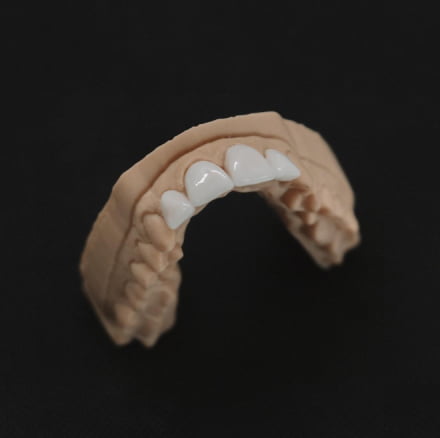
It’s understandable to feel unsettled when a veneer intended to protect a prepared tooth suddenly comes away. Temporary veneers are short-term restorations, usually worn for a few weeks to a few months while permanent veneers are prepared.
This guide explains why temporary veneers can loosen, what to do with the veneer and exposed tooth, and how to care for your smile while waiting for dental advice. It also covers symptoms that need prompt attention and everyday habits that can help protect a temporary veneer.
If a temporary veneer comes away, protect the exposed tooth and arrange dental advice promptly. These steps can help limit irritation or damage before your next visit.
Retrieve the veneer carefully and check whether it is intact. Rinse it gently with water, without scrubbing or using toothpaste, then keep it somewhere safe and dry. Gently rinse the exposed tooth with warm water to clear loose debris. Avoid chewing on that side until a dentist has assessed the area. Pressure on an exposed, prepared tooth can cause discomfort or sensitivity.
Avoid eating at first, then keep food away from the affected side until you receive dental care. Choose soft foods and chew on the opposite side. Hard, sticky, chewy or crunchy foods can pull at any remaining bonding or strike the exposed tooth. Don’t bite nails, pens or packaging, and don’t use your front teeth to open anything. These changes reduce avoidable pressure while the veneer is absent.
Dental wax can cushion a rough edge, but it won’t hold a veneer in place. If an edge is rubbing your lip or tongue, cover the spot with a small amount, following the packet directions. Wax cannot restore the bond or protect the tooth from biting pressure, so continue avoiding that side. Tell the dentist whether the wax eased the rubbing.
Don’t use household glue or try to rebond the shell yourself; an uneven fit can damage the veneer or tooth. Ask a dentist before using adhesive. Over-the-counter dental adhesive may temporarily reattach a veneer whilst you wait for care, but use denture adhesive only if a dentist specifically recommends it. If it keeps coming loose, a second cosmetic dental opinion can assess the bite, bonding and gum contact. Bring the stored veneer and explain when it detached, such as during a meal or sleep.
Temporary veneers are short-term shells secured with lighter bonding material, so they can be removed without harming the tooth. In the UK, the cost of reattachment or replacement depends on the veneer’s condition, the tooth and the work required. The dentist can explain the costs after assessing your situation.
Protect the exposed tooth by limiting pressure and keeping the area clean until your dental appointment. The prepared surface may feel sensitive, so avoid chewing with it and rinse gently with warm water after eating. Temporary veneers usually cover the tooth while a permanent restoration is prepared, often over two weeks. Leaving the tooth exposed without arranging care can increase the risk of irritation or damage.
Remove loose debris gently, without damaging the veneer or irritating the tooth. Rinse an intact shell with water, but don’t scrub it or use toothpaste. Rinse the tooth with warm water, too. Keep the veneer safe and dry for your appointment; the dentist can assess whether its shape and edges are suitable for reattachment. Don’t apply household glue or cement yourself.
Temporary veneers can loosen when saliva affects the bonding area, gum tissue is unsettled or biting force puts stress on the shell. Tooth preparation also matters. Veneers cover the front surface, while a crown covers more of the tooth; the extent of preparation and the restoration’s fit affect how a temporary piece stays in place. A dentist will assess the tooth and bite before deciding whether anything needs adjusting.
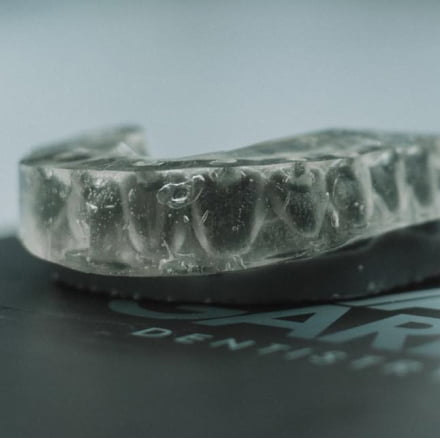
Grinding or clenching can repeatedly strain a temporary veneer, particularly during sleep. Mention jaw tension or signs such as waking with a sore jaw at your appointment. A dentist may recommend a custom nightguard to reduce pressure overnight. If the shell loosens repeatedly, ask for the bite and bonding to be reviewed instead of repeatedly trying to secure it yourself.
A cosmetic dental assessment can help clarify the next step for a prepared tooth and its final restoration.

Contact a dentist promptly when a temporary veneer comes away rather than waiting to see whether it settles. Pain, visible damage or swelling also needs prompt attention.
Tell a dentist as soon as the veneer falls off, even if the tooth feels comfortable. A detached shell can leave prepared tooth surfaces exposed, and an untreated gap can increase the risk of decay or infection. Explain whether the veneer came away intact or broke, and describe any sensitivity, pain or change in your bite.
Severe pain, visible damage, swelling, redness or pus around the tooth are warning signs. Contact a dentist urgently if these occur, as they can indicate injury or infection. If the veneer has broken, retrieve the pieces if possible, rinse gently with warm water and report the damage when arranging care. Don’t try to repair it yourself.
At an appointment, the dentist will assess the tooth, the veneer and how your teeth meet when you bite. If the shell is intact and suitable, it may be possible to reattach it during one appointment. Cracks, chips, wear or a poor fit can change the plan, and the dentist may recommend a replacement instead. These checks help address the cause, not just the loose veneer.
Repeated loosening can point to excess pressure or a contact point in your bite. Tell the dentist if the veneer has come away more than once or if chewing feels uneven. Adjustments to the bite or temporary restoration can reduce strain before the permanent veneer is fitted. Follow the aftercare advice and attend planned visits so the dentist can review comfort and function.
Note when the veneer came loose, such as during eating or sleep, and bring it to your appointment. If pain or swelling worsens before you’re seen, contact the dental practice again and clearly describe the change.
Careful daily habits can reduce stress on temporary bonding while your final restoration is being prepared. Follow your dentist’s instructions, since the fit and condition of each veneer affect which cleaning approach is suitable.
At meals, choose softer foods and cut them into small pieces. Avoid hard, sticky, chewy or crunchy foods, such as toffee, crusty bread and raw carrots, which can catch the veneer’s edges. Don’t bite hard objects or use your teeth to open packaging. If a veneer comes loose during a meal, stop chewing on that side and contact your dentist.
Prevent plaque from collecting around the veneer by brushing gently and consistently, using the method your dentist advised. Plaque around its margins can weaken adhesion, so take care around the gumline rather than scrubbing the shell. Temporary veneers often leave no gaps between teeth, so flossing can dislodge them. Follow your dentist’s specific instructions and don’t force floss through a tight contact.
Temperature changes can also make teeth feel sensitive. If hot drinks, cold foods, air or sweets cause discomfort, choose milder temperatures and avoid the trigger until you can discuss it with your dentist. Report increasing sensitivity or discomfort when biting rather than repeatedly testing the veneer.
Grinding and clenching place repeated pressure on temporary bonding. Tell your dentist if you wake with jaw tension or notice yourself clenching during the day. A dentist may suggest a custom nightguard when pressure during sleep threatens the temporary restoration. For contact sport or another activity with a risk of impact, use a protective mouthguard to help shield your teeth.
Attend scheduled visits and mention any looseness, rough edge or bite change early. These details help the dentist assess the veneer before it detaches. For tailored guidance on protecting a prepared smile, arrange a dental discussion.
Khan Dental offers Invisalign® aligners for people considering a straighter smile, alongside Porcelain Veneers, professional teeth whitening and dental crowns for different cosmetic goals. If a temporary veneer has come loose, address the immediate dental concern first. Once the tooth and restoration have been reviewed, you can discuss longer-term changes to your smile with Khan Dental in Liverpool.
The right option depends on what you would like to change. Invisalign® aligners focus on alignment, while Porcelain Veneers can refine the appearance of teeth. Professional teeth whitening addresses tooth colour, and dental crowns may form part of a restorative plan. A considered conversation can help you understand which approach suits your priorities.
If you’d like to explore your smile goals, contact Khan Dental.
Having temporary veneers falling off can be unsettling, but it may also prompt a useful conversation about what you want from your smile. Consider what matters most to you: a change in alignment, shape, colour or overall appearance. Clear priorities can make a future discussion more personal and focused.
Bring your questions and describe the result you hope to achieve. You don’t need to have a treatment plan in mind; the first step is understanding your options and what each could mean for your goals. Feeling informed can make decisions about your smile more considered and comfortable.
For a conversation about your next step, contact Khan Dental. Your smile journey can move forward at a pace that feels right for you.
A dentist can assess whether the temporary veneer is suitable for reattachment or needs replacing. They’ll consider whether it’s intact, how it fits and whether the tooth shows damage or decay. If temporary veneers keep falling off, explain when it happens, such as while biting or speaking. That detail can help identify whether the fit or bite needs attention.
Explain your symptoms and any anxiety when arranging dental advice. Describe what happened, whether you have pain or swelling, and what worries you most. Ask the dentist to explain the assessment before it begins, so you know what to expect. If you feel overwhelmed, pause and tell them. Severe pain or signs of infection need prompt attention.
Temporary veneers falling off often results from their lighter bonding, which allows later removal, or pressure on the shell. Repeated episodes may point to ongoing clenching or a bite contact that catches the veneer. Notice whether it moves during meals, after sleep or when your teeth meet. Sharing that pattern can help the dentist investigate the cause.
Don’t try to bond the veneer back yourself without speaking to a dentist. Household glue can damage the veneer or tooth, while an uneven fit may put pressure in the wrong place. If you’re considering dental or denture adhesive, seek a dentist’s advice first. A dentist can decide whether an intact shell is safe to reattach or needs another solution.
Rinse an intact veneer gently with water, then keep it safe and dry for your appointment. A clean, secure container can help prevent it being misplaced or damaged in a bag. Avoid scrubbing, toothpaste or household cleaning products, which could affect its surface. If it has broken, keep the pieces together where possible and tell the dentist it is damaged.
Contact a dentist promptly after the veneer comes away rather than waiting for your next planned visit. Tell them whether the tooth hurts, feels unusually sensitive or appears damaged. Severe pain, swelling, redness or pus calls for urgent advice, as these may indicate a more serious problem. If your symptoms change while you’re waiting, update the dental practice with the details.
Back to Blogs

Schedule a consultation to begin your smile transformation. Our team will assess your needs and create a personalised plan just for you.
Call Us 0151 724 1888
Book a Consultation