You may not need to give up coffee to brighten your smile. For teeth whitening for coffee drinkers, a dentist-supervised treatment offers a considered approach because it can be tailored to help minimise sensitivity and protect your gums. After professional whitening, avoid coffee for at least 48 hours to give your teeth a pause while they’re more prone to absorbing stains.
Coffee’s tannins and colouring compounds can contribute to yellow or brown discolouration, so it’s understandable to want a routine that protects your results without giving up a favourite daily ritual. This guide explains how rinsing with water, using a straw and choosing at-home whitening products can fit into your routine, as well as what to consider about coffee after treatment. You’ll find practical ways to reduce contact between coffee and your teeth, understand the limits of whitening toothpaste and strips, and make an informed choice about professional teeth whitening for coffee drinkers.
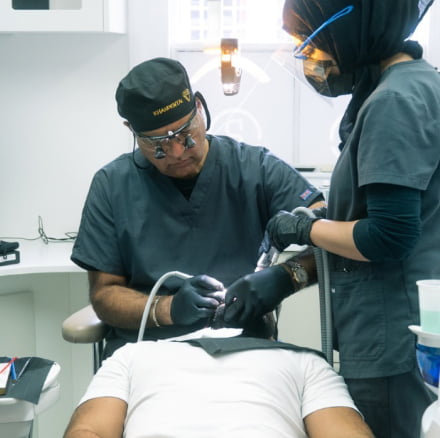
For teeth whitening for coffee drinkers, dentist-supervised whitening is a considered option. A dentist can customise treatment to help minimise sensitivity and protect the gums. In-office whitening can lighten teeth by several shades in one session, while dentist-provided take-home kits may use custom trays and stronger whitening solutions than over-the-counter products.
Coffee stains develop as tannins and coloured compounds cling to tooth surfaces and penetrate enamel. Over time, this can make natural teeth look yellow or brown. After whitening, teeth may be more susceptible to staining for a short period, so coffee can affect fresh results. The U.S. National Library of Medicine reports that coffee after bleaching has been found to reduce whitening effectiveness.
To reduce staining during your usual coffee routine, rinse your mouth with water afterwards. After professional whitening, avoid coffee for at least 48 hours. This gives your teeth a pause during the period when enamel is more absorbent. A straw can also reduce how much coffee touches your teeth, particularly with iced coffee.
Which treatments work best for coffee stains? Professional whitening can address discolouration across natural teeth, and a dentist can tailor in-office treatment or a take-home kit. Whitening toothpaste is useful for surface stains, but it won’t change the natural colour of teeth.
What are the UK rules, and who can legally provide whitening? In the UK, teeth whitening should be provided through a registered dental professional, with a dentist assessing suitability and directing treatment. Choose a dental setting rather than an unassessed whitening service.
How effective are toothpaste and at-home kits? Whitening toothpaste uses mild abrasives to help remove surface stains and can help maintain professional results. It doesn’t alter natural tooth colour; dentist-provided kits can use custom trays and stronger solutions than over-the-counter products.
What are the risks, including sensitivity and gum irritation? Excessive whitening can cause tooth sensitivity and enamel damage, while prolonged use of whitening strips may irritate teeth or gums. Custom trays are designed to keep whitening solution away from the gums and reduce irritation.
Can crowns, veneers, fillings or bonding be whitened? No. According to the NHS, whitening lightens natural teeth, not crowns, dentures or implants. Restorations such as veneers, fillings and bonding also won’t whiten like natural enamel.
When should you see a dentist before whitening? Arrange an assessment first if discolouration is new, uneven or affects one tooth, or if you have tooth pain or gum concerns. A dentist can assess the cause and your existing restorations before considering whitening.
A simple water rinse fits neatly into a coffee routine. After finishing a flat white, espresso or black coffee, take a sip of plain water and swish it around your mouth before swallowing or spitting it out. This helps wash coffee residue from tooth surfaces. It won’t remove established discolouration, but it’s a practical step before your next brushing.
Make rinsing part of the same habit as putting your cup away. Move the water around your front teeth and along both sides of your mouth, where coffee may have touched enamel. You don’t need a special mouthwash or whitening solution. Plain water is enough, whether you’ve had coffee at home, at work or in a café.
Timing matters if you’re planning to brush. After drinking coffee, rinse with water or wait at least 30 minutes before brushing. This gives you two straightforward choices: rinse when you finish your drink, then leave brushing until later, or wait before brushing if rinsing isn’t convenient. For example, after breakfast coffee, you could rinse straight away and brush as part of your later routine.
Don’t treat a quick rinse as a substitute for brushing. It helps clear away residue, while regular brushing and flossing remain part of keeping teeth clean. If you’ve just had coffee between meals, rinsing offers a simple response without reaching for a toothbrush immediately. If you’re about to brush, keep the 30-minute wait in mind rather than brushing as soon as the cup is empty.
Milk changes the drink, but it doesn’t replace rinsing. Milk-based coffees tend to stain less than darker blends, yet water can still help wash away coffee residue. After a milky latte, for instance, finish with water. The same step applies after black coffee: the drink’s colour doesn’t make rinsing unnecessary.
Keep the habit realistic. Leave a glass or bottle of water near your coffee-making spot, or order water alongside a café coffee. Rinsing after coffee is easy to remember if you’re trying to limit lingering residue. It won’t guarantee that stains never develop, but it’s a practical step that doesn’t require giving up your usual drink.
A straw can reduce contact between coffee and your teeth, helping to limit the likelihood of stains. It changes the drink’s route through your mouth, but doesn’t remove its colouring compounds. For example, sipping iced coffee through a straw may expose the front teeth to less liquid than drinking directly from the cup.
Use a straw for steady sips rather than drawing coffee into your mouth and swishing it around. Swishing brings the drink into contact with more tooth surfaces, working against the purpose of using a straw. Keep it comfortably placed and drink normally. There’s no need to draw in each mouthful forcefully.
Placement matters. Aim the straw so coffee passes beyond the front teeth, rather than directing each sip across them. You could sip a takeaway iced latte through a straw while keeping your lips around it. The aim is to limit direct contact, not create a perfect barrier between coffee and every tooth.
After whitening, drinking cold brew or iced coffee through a straw may reduce contact with your teeth. This can be a useful option if you want a chilled coffee after treatment. Still, follow the post-whitening advice you’ve been given: a straw reduces contact, but doesn’t neutralise coffee’s colouring compounds.
A straw won’t suit every coffee or every occasion. A hot flat white is usually drunk from a cup, and a straw may be awkward with a hot drink. Don’t use one if it makes drinking uncomfortable or encourages you to gulp. Choosing iced coffee through a straw is an option, not a requirement for keeping coffee in your routine.
Pair a straw with sensible drinking habits. Sip your coffee in one sitting instead of carrying it around and taking repeated mouthfuls over a long stretch. For example, finish a café iced coffee during a break, then switch to water. Less time drinking and reduced contact from the straw can work together, though neither prevents every stain.
Think of a straw as a small adjustment, not a whitening treatment. It can help limit coffee’s contact with visible teeth, while brushing and professional advice support other parts of oral care. If you’re choosing between black iced coffee and a hot drink after whitening, iced coffee through a straw may reduce contact. It’s a practical way to keep your ritual while being more mindful of staining.

At-home whitening products suit different needs, so distinguish surface stain removal from bleaching. Whitening strips use a peroxide-based bleaching agent to remove surface stains. They may appeal if coffee has left visible discolouration, but won’t change crowns or other restorations. Read the product directions before starting and use the strips only as instructed.
Coffee tannins and coloured compounds can build up on natural teeth, while whitening strips work through their bleaching agent. Fit and placement matter: apply a strip as directed so it rests against the intended tooth surfaces. If it folds or overlaps the gums, reposition it according to the instructions rather than leaving it incorrectly in place.
Prolonged use of whitening strips may cause tooth sensitivity or gum irritation. Wearing them longer or using them more often than directed isn’t a shortcut to a brighter result. If your teeth feel uncomfortable or your gums become irritated, stop using the product and seek advice from a dental professional before continuing.
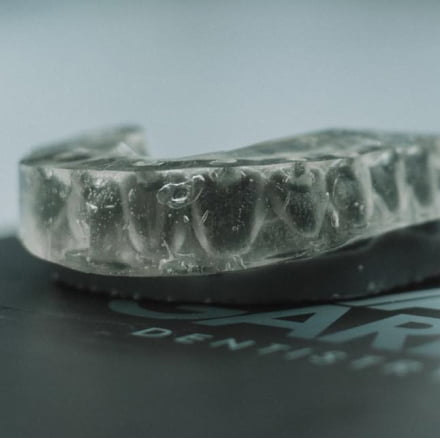
Dentist-provided take-home kits offer another option. They may include custom trays and stronger whitening solutions than over-the-counter products. A custom tray is shaped to fit your teeth and is intended to reduce gum irritation by keeping the solution away from the gums. Follow the directions for applying the solution and wearing the tray, rather than adding extra product.
For example, someone with coffee stains across several natural teeth may prefer a tray-based kit, while someone focused on surface staining may consider strips. The right choice depends on the type of discolouration, the condition of your teeth and gums, and whether you have restorations. Neither option whitens crowns, fillings or veneers to match natural teeth.
Whitening toothpaste plays a different role. Its mild abrasives help remove surface stains, but it doesn’t change the natural colour of teeth. It may help maintain professional whitening results and prevent new stains from forming, but it isn’t interchangeable with peroxide strips or a take-home kit.
Keep coffee habits in mind during treatment. If a strip or tray is part of your routine, don’t apply it over coffee residue; follow the product instructions for preparing your teeth. After whitening, coffee can affect results while enamel is temporarily more absorbent, so avoid it for at least 48 hours after professional treatment. Rinsing with water after later cups can help clear residue, while regular use of whitening products beyond their directions risks sensitivity rather than offering a safer route to a brighter smile.
You can keep coffee in your routine after whitening; the practical aim is to manage exposure, especially just after treatment. Two reviews of clinical studies published in 2024 found that coffee, tea and red wine during dental bleaching did not significantly reduce whitening results. That finding offers a useful perspective, though it doesn’t mean coffee can never contribute to new stains.
How long do whitening results last if you keep drinking coffee? Professional whitening results can last for months or longer, even though coffee may gradually contribute to fresh discolouration. How long the result remains visible depends partly on your coffee habits and how consistently you care for your teeth.
One cup of coffee is unlikely to undo all your whitening results straight away. Instead of treating a single drink as a setback, focus on the pattern: sipping throughout the morning keeps coffee in contact with your teeth for longer than drinking it in one sitting. If you’re used to nursing a mug for 2 to 3 hours, try having your coffee during one break instead.
In the early days after whitening, limit coffee to once a day. After professional whitening, avoid coffee for at least 48 hours. Your enamel is temporarily more porous and absorbent during this short period, so a pause helps reduce exposure while teeth are more vulnerable to staining.
When coffee returns to your routine, combine a few simple habits. Rinse your mouth with water after drinking, and consider a straw for iced coffee to reduce contact with your teeth. Chewing sugar-free gum for half an hour after coffee can also help reduce mouth acid. These steps support a considered routine, but don’t promise that stains won’t develop.
The drink itself can make a difference, too. Lighter roasts and milk-based coffees tend to stain less than darker blends. Choosing a milky coffee instead of a dark black brew may help limit staining while keeping your usual coffee ritual intact. Whichever you choose, avoid sipping it slowly over several hours.
For a sustainable approach to teeth whitening for coffee drinkers, pair coffee-conscious habits with brushing twice a day and regular flossing. Whitening toothpaste may help maintain professional results and prevent new stains from forming, but excessive whitening can lead to sensitivity and enamel damage. If yellow discolouration returns, don’t respond by repeatedly using whitening products beyond their directions. Discuss a coffee-conscious whitening plan that fits your routine.
Khan Dental offers professional Teeth Whitening for people who want a brighter smile while keeping coffee in their routine. Discussing your goals can help clarify whether whitening suits the colour of your natural teeth and how to care for the result.
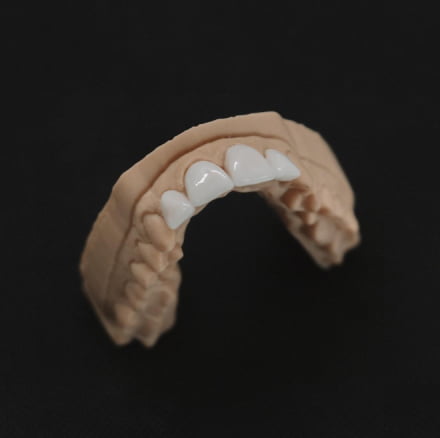
If your smile goals include more than colour, Invisalign® aligners can address tooth alignment, while Porcelain Veneers and dental crowns may suit different restorative or cosmetic needs. These treatments serve distinct purposes: whitening changes the shade of natural teeth, not their position or the colour of restorations. Understanding the difference helps you consider an approach that fits your priorities.
Contact Khan Dental to discuss your smile goals and the options that may suit you.
A brighter smile doesn’t have to mean abandoning the small rituals that make a day feel familiar. Consider what you’d like to change and how whitening can fit around your routine. That gives you a personal goal to discuss, rather than chasing an idealised shade or treating every coffee as a setback.
For teeth whitening for coffee drinkers, a considered next step is to discuss your priorities, including the result you hope to see and any concerns about sensitivity. Your existing dental work and the natural colour of your teeth also shape what whitening can achieve. A conversation can help you understand which option may suit your smile.
If you’re ready to explore professional whitening, contact Khan Dental to discuss your whitening goals. Take the next step at a pace that feels right for you, with a clearer sense of the result you’re working towards.
Dentist-supervised whitening lets treatment be tailored to your teeth and gums. This is particularly useful if you already experience sensitivity or have visible fillings, crowns or veneers. Before choosing an approach, consider whether the colour change affects one tooth or several, and whether existing dental work is involved. Whitening lightens natural teeth, so a dentist can explain how restorations may affect the overall appearance.
Coffee soon after bleaching may affect whitening effectiveness, and enamel is temporarily more absorbent after treatment. One cup is unlikely to undo all the result immediately, but it’s sensible to avoid coffee for at least 48 hours after professional whitening. If you’ve already had a cup, rinse with water and return to your usual care routine rather than trying to correct it with extra whitening product.
If avoiding coffee feels difficult, plan a manageable alternative for the first 48 hours after professional whitening, such as water or a non-staining drink you enjoy. Once coffee returns, have it in one sitting rather than carrying a mug around for hours. During the early days after whitening, keep coffee to once a day. A straw may help with iced coffee, but isn’t practical for every drink.
Whitening toothpaste can help remove surface stains and maintain professional whitening results, but it won’t change your teeth’s natural shade. It may help with superficial marks from regular coffee, while deeper discolouration needs a different approach. Use toothpaste as directed, and don’t compensate for a slow result by brushing forcefully or adding extra whitening products, which can increase sensitivity.
Coffee’s tannins and coloured compounds can cling to teeth and penetrate enamel, gradually contributing to yellow or brown discolouration. Stains build with repeated exposure, not according to a fixed schedule. The amount of coffee, how long it stays in contact with teeth, and everyday oral care all influence the visible effect. A single darker-looking tooth may have another cause and merits dental assessment.
After coffee, rinse your mouth with water, and wait at least 30 minutes before brushing. Keep the drink to one sitting instead of sipping over several hours, and use a straw for iced coffee if it suits you. Brushing twice daily and regular flossing support oral health, whilst whitening toothpaste can help with surface stains. These habits reduce exposure, but don’t make staining impossible.
The clearest timing advice applies after professional whitening: avoid coffee for at least 48 hours, when enamel is temporarily more absorbent. The early days after treatment are also a sensible time to limit coffee to once a day. If you’re arranging whitening, ask for instructions tailored to the treatment you’ll receive, and plan a coffee break around the immediate post-treatment period.
Back to Blogs

Schedule a consultation to begin your smile transformation. Our team will assess your needs and create a personalised plan just for you.
Call Us 0151 724 1888
Book a Consultation