What you eat with temporary veneers can affect how comfortable mealtimes feel. Soft options such as eggs, pasta, yoghurt and mashed potatoes are usually easier to manage than foods that need a firm bite. Knowing what to eat with temporary veneers can also help you avoid putting unnecessary pressure on them while you wait for the next stage of treatment.
It’s natural to feel cautious whilst your permanent veneers are being prepared. Temporary veneers are more delicate, so how you bite and chew matters as well as what’s on your plate. With a little care, you can still enjoy satisfying meals without putting extra pressure on your front teeth.
This guide covers gentler food and drink choices, what to approach cautiously, and simple habits that can make eating easier. It also explains what to do if a veneer feels loose or comes away. Your dentist’s instructions should always come first, as they are tailored to your treatment.
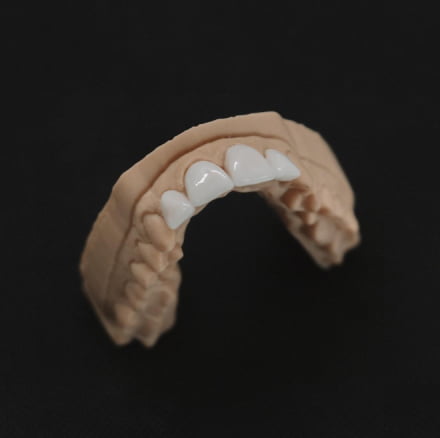
A temporary veneer is a provisional part of a veneer treatment plan. Its purpose and the arrangements around it depend on your individual care, so another person’s experience may not apply to you. Your dentist can explain how your temporary veneers fit into your treatment and which instructions matter most.
Eating gently can help you avoid putting unnecessary force on teeth that feel unfamiliar or on temporary veneers in place for a limited stage of treatment. The aim isn’t to make every meal a source of worry. Instead, take a considered approach and follow your dentist’s guidance until they advise you otherwise.
General food guidance can help you make cautious choices, but your treating dentist’s instructions are tailored to your teeth and treatment plan.
Temporary veneers may be used as a provisional part of a veneer treatment plan while you move towards its next stage. Your dentist can explain what yours are intended to do, what to expect and how to care for them. Avoid assuming that the arrangements or instructions will be the same for every patient.
You may notice your teeth more than usual during meals. Some people experience sensitivity or find the shape of their teeth feels unfamiliar; others notice little difference. These responses vary and don’t, by themselves, explain what is happening with your teeth or veneers. If discomfort persists, worsens or concerns you, contact the dental team responsible for your care.
Think of this as a short period of adjustment, guided by your treatment plan. If you’re unsure what to eat with temporary veneers, start with your dentist’s instructions and ask them to clarify anything that isn’t covered. The teeth involved, your treatment progress and how your mouth feels can all affect the most relevant advice.
For now, aim for calm, mindful meals rather than strict rules that may not suit your situation. Take note of changes that affect eating and tell your dental team, especially if they persist or trouble you. Clear, personalised guidance can help you feel more confident as treatment progresses.
Meals don’t need to become complicated. Choose foods with soft, manageable textures that require less forceful biting and chewing. If your dentist has given you specific food restrictions, follow them even if a suggestion below seems suitable.
As a general guide, choose foods that need less forceful biting and adapt each meal to what feels comfortable. These are ideas, not a prescribed menu. Your treatment plan and any sensitivity you experience should shape your choices.
For breakfast, try porridge, yoghurt or softly prepared eggs. At lunch, pasta or smooth soup can be satisfying without requiring you to bite through firm textures. For dinner, consider tender fish with soft-cooked vegetables, or pasta with vegetables cooked until easy to manage. Choose what feels comfortable and fits your dentist’s guidance.
Keep snacks simple too. Yoghurt or soft fruit such as banana may be easier to eat than food that needs a firm bite. If something feels awkward or causes discomfort, don’t force it. Choose another option and mention any ongoing concern to your dental team.
Small changes to how you serve and eat food can make mealtimes feel less daunting. Cut food into manageable pieces instead of biting into a large portion, and take time to chew gently. You may find it more comfortable to chew with your back teeth rather than putting pressure on your front teeth. There’s no need to rush.
If eating causes persistent pain or you’re worried that a veneer has shifted, pause and seek advice from your dental team. Don’t push through discomfort. Your dentist can consider what you’re experiencing in the context of your treatment and advise on suitable next steps.
Thinking through what to eat with temporary veneers is easier when you focus on texture, preparation and comfort rather than following a rigid meal plan. If you’re exploring veneer treatment or want to learn about cosmetic dental care, Khan Dental’s veneer guidance can be a helpful starting point.
Some foods may put more force on a temporary veneer than others. Hard, crunchy textures can create pressure when you bite, whilst sticky or chewy foods may pull as you chew. Strongly coloured foods and drinks are a separate consideration: temporary materials may be more prone to staining, although this won’t necessarily happen with every food or for every patient.
The level of risk depends on the food, your temporary veneer and your dentist’s instructions. Use the comparisons below as general guidance, not a fixed list of rules. Follow any specific restrictions from your dental team.
Hard sweets, nuts, ice, popcorn and crusty or toasted foods can require a forceful bite, placing extra pressure on a temporary veneer. Chewy confectionery, including caramel and toffee, can tug as you eat; chewing gum may also be difficult to manage. Consider softer alternatives during the period advised by your dentist, and don’t test a food by biting down hard on it.
Food characteristic | Possible concern | Gentler alternative
Hard or crunchy | Biting through nuts, hard sweets, ice or crusty bread may place extra pressure on a veneer. | Choose a soft-textured snack or a less crusty option.
Sticky or chewy | Gum, caramel and toffee may pull against a veneer as you chew. | Choose a soft food that doesn’t cling or require prolonged chewing.
Tough or firm | Foods that need sustained, forceful chewing may feel uncomfortable or put extra demands on the veneers. | Opt for a tender texture that’s easier to manage.
Strongly coloured | Coffee, tea, red wine, dark soft drinks, curry, tomato-based sauces and dark berries may be worth approaching cautiously because of possible staining. | Choose a lighter-coloured drink or meal if that suits your dentist’s advice.
Colour is a different concern from pressure. Coffee and tea, red wine, dark-coloured soft drinks, tomato sauces, curries and dark berries are examples of foods and drinks to ask your dentist about. They won’t necessarily stain every temporary veneer; the material and your care plan can affect what precautions are appropriate.
If you’re unsure whether a particular meal fits your plan, ask your dental team rather than avoiding a long list of foods without reason. They can explain which precautions apply to your temporary veneers. To decide what to eat with temporary veneers, consider texture and colour separately, then follow the guidance tailored to your treatment.

Small, steady habits can help you care for temporary veneers without making every meal feel like a test. Eat attentively, follow your dentist’s cleaning instructions and respond promptly if something feels different. Your dental team can advise you in the context of your treatment plan.
Use this simple routine as a general guide, adapting it to any specific instructions you’ve received:
There isn’t one cleaning technique or product that suits every temporary veneer. Follow the advice you were given, including any instructions about brushing and flossing. If you’re uncertain about a step, ask your treating dental team to clarify it instead of improvising or changing your routine.
If a veneer feels loose, has shifted or has come away, contact the dental team responsible for your care promptly. Explain what has happened, including whether you’re experiencing discomfort. They can give you individual instructions and advise on the next step.
Until you receive professional guidance, avoid putting pressure on the area. Don’t pull at the veneer, press it back into place or try to reattach it with household glue. These actions may make the situation harder to assess. Keep the area as clean as you can by following your usual dentist-approved cleaning instructions, and avoid chewing on the affected area.
If the veneer has come away completely, keep it safe and tell your dental team. Don’t attempt a repair yourself, even if the veneer appears intact. A prompt conversation helps them understand what has happened and advise you on what to do next.
Good care is not about guessing the perfect routine. It’s about eating with care, cleaning as directed and seeking advice when something feels wrong. For guidance about veneer care as part of your treatment, speak with Khan Dental about personalised veneer advice. Tailored guidance can also help you feel more at ease with what to eat with temporary veneers as treatment progresses.
General food advice can help you think through everyday choices, but it’s most useful alongside your own treatment plan. Temporary veneer arrangements and patients’ experiences can differ. A food that feels comfortable for one person may not suit another, so follow the instructions from the dentist overseeing your care.
Your dentist can explain which precautions apply to your temporary veneers, what to do if eating feels uncomfortable and whether particular foods or drinks are best avoided during your treatment. If something you’ve read online doesn’t match the advice you were given, follow your dentist’s guidance and ask them to clarify any uncertainty. This helps you make practical choices without treating a general list as a personal prescription.
Speak with your dental team if you notice a change that concerns you, such as persistent discomfort or a veneer that feels loose. Explain what you’ve noticed and when it happens. They can consider it in the context of your care and advise you on a suitable next step.
Khan Dental is a cosmetic dentistry practice in Liverpool, providing care shaped around each patient’s smile and individual needs. The practice offers bespoke cosmetic dental care for patients considering veneer treatment. For temporary veneer care, follow the instructions given by the dentist responsible for your treatment.
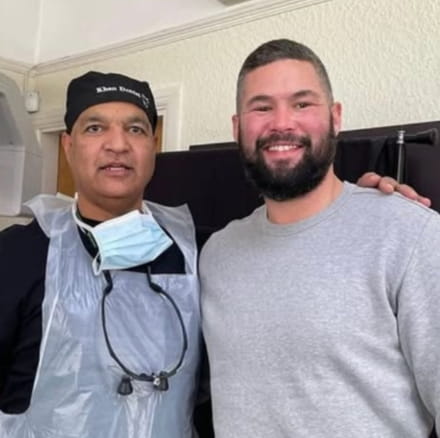
Dr Khalid Khan has over 30 years of experience and holds over 16 prizes and distinctions. Khan Dental is trusted by celebrities and public figures. These details reflect the practice’s experience and recognition, not a promise of any particular result. A considered conversation about your aims and circumstances is an important part of understanding what cosmetic dental care may involve.
Khan Dental is based in Liverpool and welcomes patients from the Wirral, Manchester, Altrincham, Wilmslow, Knutsford, Hale, Southport, Ormskirk and Formby. If you’re exploring veneer treatment or would value a personal discussion about your cosmetic dental goals, discover bespoke cosmetic dental care at Khan Dental. If you’re currently deciding what to eat with temporary veneers, continue to follow the specific instructions from your treating dentist.
This temporary stage is an opportunity to become more familiar with your care plan and the small choices that help you feel at ease. If you’re still unsure what to eat with temporary veneers, make a note of your questions and raise them with the dental team overseeing your treatment. Personalised guidance can help you make choices with confidence, without relying on general advice to answer concerns specific to you.
If you’re considering cosmetic dentistry, a thoughtful conversation about the smile you hope to achieve can help you understand which approach may suit you. Khan Dental offers bespoke cosmetic dental care in Liverpool, guided by Dr Khalid Khan’s experience and trusted by celebrities and public figures.
Discover bespoke cosmetic dental care at Khan Dental and take the next step towards feeling more informed about your smile. With considered advice and care shaped around your needs, you can move forward at a pace that feels right for you.
It’s best not to assume you can eat exactly as usual whilst wearing temporary veneers. You may need to adjust familiar meals, particularly if they involve biting into something firm or cause discomfort. For example, use cutlery to portion food rather than biting directly into a sandwich. Follow your dentist’s instructions if they differ from general advice.
Toast can be hard or crisp, so approach it cautiously. If your dentist hasn’t advised you to avoid it, consider whether the texture feels manageable and avoid biting into a firm crust with your front teeth. Softer bread may be easier to handle. Stop if eating feels uncomfortable, and ask your dental team what applies to your treatment.
You may be able to drink coffee, but its dark colour may be a staining consideration for temporary veneers. This doesn’t mean staining will definitely occur. Your dentist can advise based on your treatment and the veneer you have. Follow any care instructions rather than relying on general tips as a guarantee against discolouration.
There isn’t one universal avoid list, but hard, crunchy, sticky or very chewy foods may create extra force or pulling. Examples include hard sweets, nuts, popcorn, toffee and chewing gum. Strongly coloured foods and drinks may also be worth discussing because of possible staining. Follow your dentist’s instructions, especially if you’ve been given restrictions for your treatment.
Yes, keep cleaning your teeth, but follow your dentist’s instructions for brushing around your temporary veneers. If you’re unsure how to clean a particular area, ask your dental team to explain the method rather than changing your routine based on general online advice. If brushing causes persistent discomfort or you notice a change in the veneer, contact the team looking after your treatment.
Stop eating and contact the dental team responsible for your treatment promptly for individual guidance. Don’t pull at the veneer, press it back into place or use household glue. Avoid putting pressure on the affected area whilst you wait for advice. If the veneer has come away, keep it safe and tell your dental team what happened; don’t attempt to repair it yourself.
The length of time varies according to the individual treatment plan, so there isn’t one timeframe that applies to everyone. Your dentist can tell you how long your temporary veneers are intended to remain in place and what to do if your next appointment changes. If one becomes loose or comes away before then, contact your treating dental team rather than waiting for the planned appointment.
Temporary veneers may be more susceptible to staining than the final veneers, but staining isn’t certain and can depend on the material and your care. Coffee, tea, red wine, curry and dark sauces are examples of strongly coloured items to ask your dentist about. If you notice a change in colour, don’t try abrasive cleaning methods; seek guidance from the dental team overseeing your treatment.
Back to Blogs

Schedule a consultation to begin your smile transformation. Our team will assess your needs and create a personalised plan just for you.
Call Us 0151 724 1888
Book a Consultation