Your Invisalign finish date is not a promise. It is the destination of a carefully guided process, shaped by your teeth and how consistently you wear your aligners. If you are wondering what happens between your first assessment and your final tray, the Invisalign treatment timeline is easier to picture when it is mapped out in stages.
It is natural to want a clear sense of how long treatment may take, especially when you are fitting daily aligner wear and appointments around work, family and everything else. Many adult treatments take around 12 to 18 months, but your own timeframe may be shorter or longer depending on your starting point and how your teeth respond.
This guide follows the journey from assessment and treatment planning through successive aligners, progress reviews, possible refinements and retention. You will also learn what can influence the pace and which everyday habits help keep treatment on course. Khan Dental provides private Invisalign treatment in Liverpool, for patients from the Wirral, Manchester, Altrincham, Wilmslow, Knutsford, Hale, Southport, Ormskirk and Formby. An individual assessment provides a considered starting point for understanding what your smile journey could involve.
An Invisalign treatment timeline follows clinical milestones, but the exact schedule varies from person to person. Think of it as a sequence of planned stages rather than a fixed countdown to a particular date. An Invisalign treatment timeline is the sequence of planned stages that guides your care from initial assessment through active aligners and into retention. Each milestone helps you understand what comes next, while your clinician can tailor the plan to your needs and progress.
The journey usually moves through these stages:
These are landmarks, not a universal calendar. Assessment, planning and aligner preparation each take their own time, and the overall schedule depends on your individual plan. Any example timings should be treated as illustrations rather than a promise of when your treatment will finish.
Your first discussion is a chance to talk openly about your smile concerns and the changes you hope to see. A clinical assessment considers whether Invisalign is suitable for your teeth and needs. This information guides the treatment plan and estimated duration, rather than relying on a broad average or a date chosen in advance.
There are milestones before you wear your first aligner, too. The proposed plan needs to be prepared and explained, and your aligners need to be ready for you to begin. Your clinician can outline how these steps fit together in your case, so you know what to expect before active treatment starts.
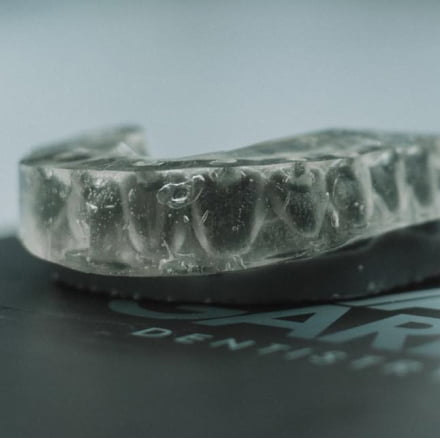
Active treatment progresses through a series of prescribed aligners. Each one forms part of the planned sequence, so follow your clinician’s instructions for changing aligners rather than moving ahead based on your own judgement. Progress reviews let your clinician assess how your teeth are responding and whether the plan remains appropriate.
Wearing the final tray is not, by itself, confirmation that active treatment is complete. Completion is a clinician-reviewed milestone. Once you reach it, the focus turns to retention: wearing retainers as directed helps maintain your teeth’s new positions. This final phase is part of the overall journey, not an optional footnote after the visible changes are made.
Two people can begin Invisalign with different needs, even if they describe their concerns in similar terms. The treatment plan reflects the movements required for each individual, while day-to-day wear affects how consistently you can follow the planned stages. Invisalign timing is shaped by both the complexity of the planned tooth movements and consistent wear as prescribed by your clinician. Neither factor alone can promise a particular finish date.
It helps to consider two groups of influences: the clinical picture your clinician assesses and the practical routine you maintain during treatment. The first informs the plan; the second supports progress through it. Both matter, but neither can be reduced to a generic case label or a simple online estimate.
The amount and type of movement needed differ from one smile to another. A plan may involve addressing several areas or coordinating tooth positions, rather than focusing on one visible concern. A short description such as “crowding” or “a small gap” does not reveal the full clinical picture or the movements that may be needed.
That is why an individual assessment is more useful than labelling a case as mild or complex. Your clinician can consider your teeth and treatment goals together, then explain how those details shape the proposed plan and estimated duration. A category used in general guidance cannot determine your suitability or predict your personal timeline.
Aligners work as part of a planned sequence, so follow your treating clinician’s instructions on how to wear and change them. A consistent routine helps you keep to that sequence. If wear is interrupted or an aligner is not fitting as expected, the planned progression may need to pause while your clinician reviews what is happening.
Daily life can make consistency harder. Meals, travel or a busy day may disrupt your routine unless you have thought through how aligner wear fits around them. Do not try to make up missed wear by changing aligners early or adjusting the plan yourself. Follow the guidance you have been given and raise concerns at your review. Your clinician can advise whether you should continue as planned or whether the next step needs to change.
Following instructions supports treatment, but it cannot guarantee that your teeth will move on a precise schedule. Progress is individual, and a review gives your clinician the opportunity to assess how things are going. If circumstances change or keeping to the routine becomes difficult, discussing that early can help you understand the most appropriate way forward.
For a clearer sense of how these factors relate to your smile, an individual Invisalign assessment can provide a considered starting point. At Khan Dental, a private cosmetic dentistry clinic in Liverpool, Dr Khan can discuss your concerns and assess your suitability for Invisalign, with your plan based on your circumstances rather than a general estimate.
An estimated finish date is a guide, not a guarantee. It gives you a useful point of reference, but your teeth’s response during treatment helps determine when active treatment is complete. The Invisalign treatment timeline may need adjusting if progress differs from what was planned. A change to the estimate does not automatically mean anything has gone wrong. It means your clinician needs to assess what is happening and decide on the next step.
Visible progress can be encouraging, but only a clinical review can determine whether treatment is complete. Teeth may look straighter before all the planned movements have been assessed. Progress reviews are decision points: your clinician can consider how your teeth are responding and whether the existing plan remains appropriate.
Tooth movement in practice may not match the initial digital plan exactly. At a review, your clinician can compare your progress with the intended movements and decide whether to continue as planned or make an adjustment. In some cases, additional aligners, often called refinements, may be recommended to address movements that still need attention. Refinements can be part of treatment and are not proof that it has failed.
Your treating clinician can advise whether a refinement is appropriate for you. An adjusted estimate may reflect the care needed to assess your progress and complete the planned movements thoughtfully. The important question is not only whether the original date has shifted, but what the review shows and what milestone comes next.
If your teeth do not seem to be changing as expected, raise the concern at your scheduled review or with your treating team. Note what you have noticed and when, then ask whether it affects the plan. A review can clarify whether progress is on course, whether further assessment is needed and what the next step should be.
In the meantime, do not change your aligner sequence or wear instructions independently. Moving ahead early or altering how you wear an aligner may take you away from the prescribed plan without resolving the concern. Follow your clinician’s guidance. If an aligner does not seem to fit as expected, mention that rather than assuming you should move to the next one.
It can help to leave a review with a clear understanding of three things:
This keeps the conversation practical, even if the finish estimate changes. The aim is not to rush towards a date, but to let clinical assessment guide progress and completion. If you are considering Invisalign, an individual assessment at Khan Dental in Liverpool can provide a considered starting point for discussing a plan suited to your smile.

A manageable routine can make it easier to follow your treatment plan alongside work, social plans and travel. The aim is not to rush your Invisalign treatment timeline or assume that a particular habit will shorten it. Instead, make your clinician’s instructions practical enough to follow consistently, and know what to do if everyday life disrupts your routine.
A simple planning sequence can help:
Small preparations can reduce the chance of misplacing an aligner during a busy day. Choose a consistent place to store it whenever it is removed, and follow the wear and care instructions given by your clinician. If an aligner is lost or damaged, speak to your treating team for guidance rather than deciding yourself whether to skip ahead or return to an earlier one.
Build the routine around your real day. For instance, think ahead about where you will keep your aligners when eating at work or visiting friends. A repeatable system is more useful than relying on memory alone, but it should support, not replace, your clinician’s specific instructions.
Mention travel and significant events when you discuss your treatment plan. Your clinician can explain how to manage aligner changes and reviews around your circumstances, without assuming treatment can be timed to finish before a particular date. Keeping expectations flexible can make it easier to plan celebrations, work commitments or time away without putting pressure on a predicted finish.
Before travelling, pack the aligners you have been prescribed and the care essentials you normally use. Keep them somewhere accessible, and follow your usual instructions while away. If plans change or you are unsure what to do, contact your treating team for guidance rather than adjusting the sequence independently.
For wider context on the treatment journey, Khan Dental’s Invisalign Liverpool treatment guide explains more about Invisalign. If you are considering treatment, you can also explore Invisalign at Khan Dental, a private cosmetic dentistry clinic in Liverpool. An individual discussion can help connect your goals and routine with a treatment plan tailored to you.
The most useful Invisalign treatment timeline is the one shaped around your teeth, your goals and your circumstances. General examples can help you understand the stages, but they cannot tell you whether Invisalign is suitable for you or how long your own treatment may take. That clarity begins with an individual assessment and a conversation about what matters to you.
At Khan Dental, a private cosmetic dentistry clinic in Liverpool, an Invisalign discussion can explore your smile aims and clinical suitability, as well as the likely stages of care. It is also a chance to talk about timing. Share work commitments, travel plans or important events that you would like considered as treatment is planned. Your clinician can explain what these circumstances mean for your individual plan, without treating a general estimate as a promised finish date.
It may help to think ahead about what you would like to understand. For example, you could ask:
These questions can make the conversation more focused, especially if you are still weighing up whether treatment fits your life. You do not need to arrive with every decision made. A clear discussion can help you understand the options and consider your next step at your own pace.
An aspirational smile goal deserves realistic expectations alongside it. An assessment can help put the proposed treatment into context, so you can consider both the changes you hope for and the commitment involved. Dr Khan leads the clinic and can discuss private Invisalign treatment, with your plan informed by your individual assessment rather than a standard schedule.
If your goals extend beyond tooth alignment to a broader cosmetic change, Khan Dental’s Liverpool smile makeover guide offers relevant context to explore alongside your Invisalign questions.
There is no need to decide based on a generic timeframe alone. Start by learning what Invisalign care could involve for you, then take time to consider whether the plan feels right. Explore Invisalign at Khan Dental and take a considered first step towards understanding your options.
Your Invisalign treatment timeline is most useful when it helps you make a confident, considered decision, rather than feel committed to a date before you understand the plan. As you weigh up treatment, think about what would help you feel comfortable moving forward: the smile changes you hope for, how aligners might fit your routine and what you would like to clarify about the process.
An individual discussion can turn those thoughts into a more personal picture of what Invisalign could involve. At Khan Dental, Dr Khan brings cosmetic and restorative dentistry experience to conversations about private Invisalign care in Liverpool. There is room to explore your aims and timing concerns without assuming a particular duration or result in advance.
If you are ready to take a considered first step, explore Invisalign treatment at Khan Dental. A clearer understanding of your options can help you decide what feels right for your smile, in your own time.
Age alone cannot tell you how long Invisalign will take. The Invisalign treatment timeline depends more on the movements planned for your teeth and how they respond during care. A younger or older age does not provide enough information to estimate an individual schedule. At assessment, share any relevant dental history and your treatment aims so the clinician can consider your circumstances rather than rely on an age-based assumption.
Contact your treating team promptly for advice, and explain which aligner you were using and when it was lost or damaged. Do not automatically move to the next aligner or return to an earlier one, as the appropriate response depends on your plan and progress. If the aligner is damaged, keep it available to show the clinician if useful, but do not continue wearing it if it feels unsafe or causes discomfort.
Wearing aligners inconsistently may affect how your teeth follow the planned sequence, so tell your treating team if you have missed wear rather than trying to compensate by changing aligners early. They can advise whether you should continue with the current aligner or need a review. Being open about a disrupted routine helps the clinician give advice based on what has actually happened, without guesswork or unnecessary worry.
Yes, travel can usually be planned around Invisalign, but organise it with your treatment instructions in mind. Before leaving, make sure you know which aligner you should be wearing and when any change is due. Pack the aligners and care items you normally use, and consider how you will keep them safe during meals or overnight stays. If travel overlaps with a planned review, discuss this with your treating team in advance.
Some people notice a slight change in speech when they first begin wearing aligners, such as a temporary lisp, as they adjust to having them in place. You may find it helpful to practise speaking aloud during ordinary activities, such as reading or chatting at home. If a speech change is persistent, feels troublesome or concerns you, raise it with your treating clinician rather than altering your aligner wear yourself.
Having dental crowns does not automatically rule out Invisalign, but suitability depends on your teeth and the details of your treatment needs. Tell the clinician which teeth have crowns and, if you know, when they were placed. This helps them assess your situation and plan with your existing dental work in mind. An individual examination is needed to determine whether Invisalign is appropriate for you.
Do not pause treatment or change your aligner routine for an event without guidance from your treating clinician. A wedding, performance or important work occasion may be worth mentioning during planning, so the clinician can explain what can reasonably be taken into account. If the event is coming up during treatment, ask how to manage your aligners on the day and follow the advice given for your specific plan.
Back to Blogs

Schedule a consultation to begin your smile transformation. Our team will assess your needs and create a personalised plan just for you.
Call Us 0151 724 1888
Book a Consultation